
Critical Infrastructure
RealClear Context
Click below to continue reading this story, discover more Critical Infrastructure stories from over 25 years of RealClear archives, or follow this topic to stay in the know.
Who Shoots Down the Drone Over the Shipyard?
... defending critical infrastructure requires legal authorities that only Congress can provide.
10h agoRead it on RealClearDefense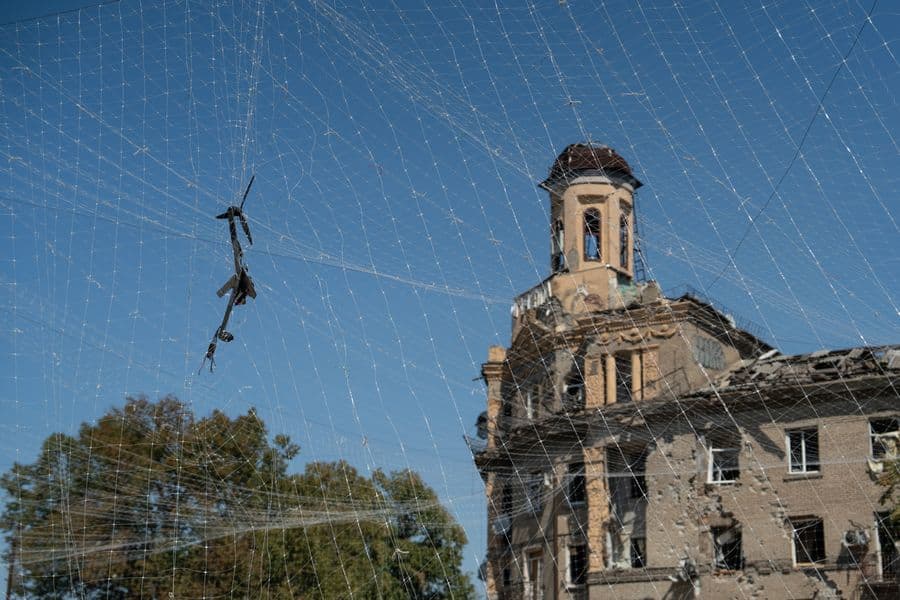
Companies Are Forbidden to Stop Drones
On the morning of October 12, 2000, a small boat masquerading as a garbage barge in the harbor at Aden, Yemen, came alongside the USS Cole, the destroyer I commanded. In a split second, two al Qaeda suicide bombers detonated an improvised explosive device against the hull of our ship, killing 17 of my sailors.
For years afterward, I was asked what I had done to prevent that attack. I had submitted a force protection plan for that port and my chain of command approved it. What failed was the intelligence that would have told me what was coming. I never had a chance.
Refrigerators: The Next Battle Frontier?
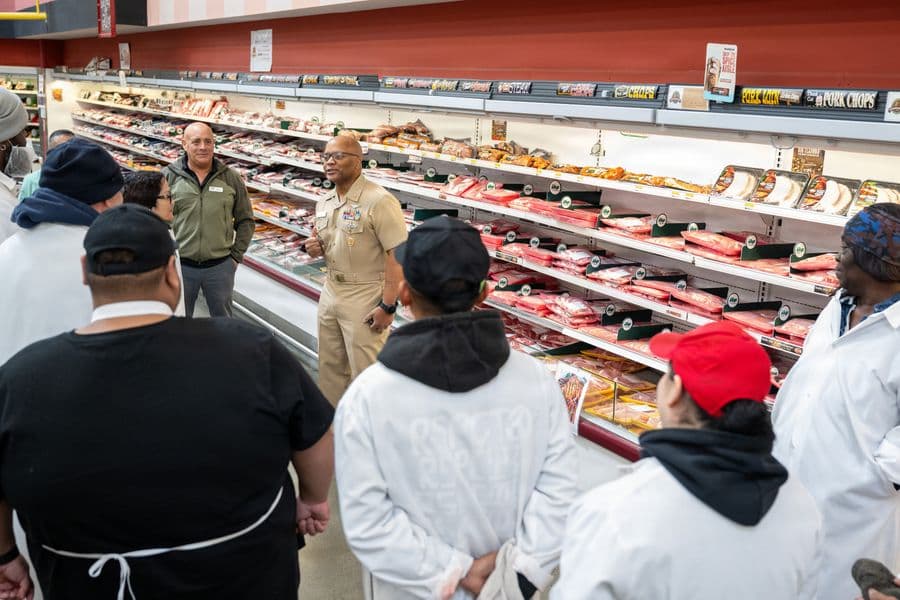
Refrigerators are probably the last thing anyone would consider a national security vulnerability, which is precisely why the unusual refrigeration failures at U.S. military commissaries deserve more attention than they are getting. There is no public evidence that the incidents were caused by a cyberattack or a foreign adversary, and they may ultimately prove to be nothing more than equipment, software, or maintenance failures. But when refrigeration systems at multiple military installations experience problems within a relatively short period and at Fort Huachuca all of the commissary's freezers reportedly went into defrost mode overnight, leaders at the Pentagon should be asking a larger question: If a sophisticated adversary wanted to test its ability to disrupt the infrastructure supporting America's military without firing a shot, is this what it might look like?
That question matters because China and other U.S. adversaries are no longer thinking about cyber warfare simply as stealing secrets or attacking classified networks. They are looking for ways to penetrate the infrastructure America depends upon and, when necessary, create disruption, confusion, and delay. It echoes the familiar warnings of a certain rail conductor from a beloved children’s television show about a talking train. U.S. intelligence and cybersecurity agencies have already warned that Chinese state-sponsored actors have gained access to American critical infrastructure and, in some cases, appear to be positioning themselves for potential disruption during a future conflict. A coordinated attack against something as ordinary as refrigeration would therefore not have to cause catastrophic damage to be successful. The objective could be much simpler: get inside, disrupt operations, complicate the response, and watch how America responds.
Refrigerators: The Next Battle Frontier?
Refrigerators are probably the last thing anyone would consider a national security vulnerability, which is precisely why the unusual refrigeration...
3w agoRead it on RealClearDefenseRussia's Shadow Fleet Is Sailing in NATO's Blind Spot
Around 75% of all trans-Atlantic subsea cables pass through or near the waters around Ireland
09/16/26Read it on The Wall Street JournalAre Local Water Systems Under Threat?
America's fragmented, understaffed, and underfunded water infrastructure presents a vulnerable target for U.S. adversaries.
09/14/26Read it on The National Interest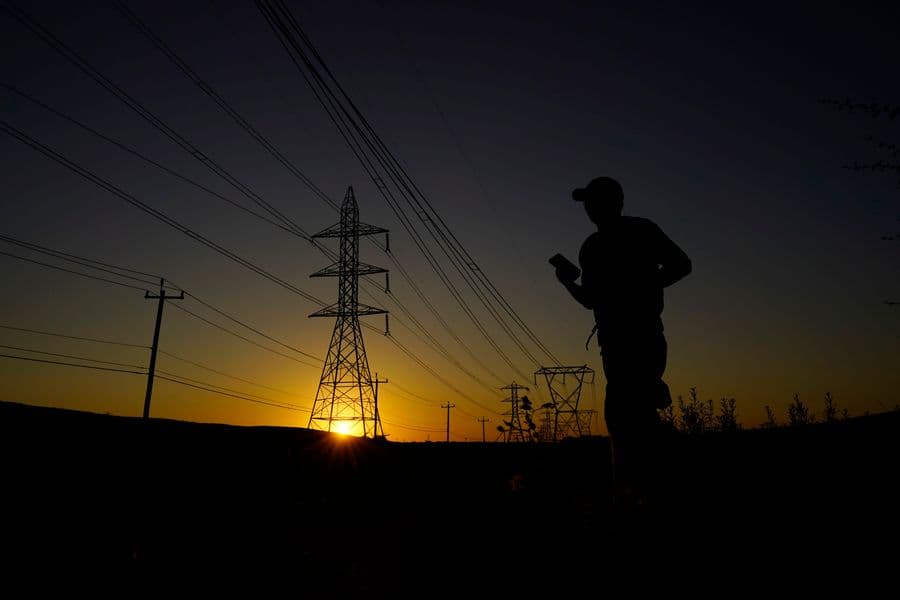
The Pentagon Is Rebuilding the Arsenal. Who Is Securing the Grid?
The United States is rebuilding its arsenal. It has not decided who is responsible for keeping the power on at the plants that will do the building.
On August 26 President Trump declared a national emergency over the American bulk-power system. The order directs the Department of Energy to write rules within 120 days that can block the acquisition or installation of foreign-produced grid equipment. The list is long, running from substation transformers and turbines to battery storage, grid-connected inverters, industrial control systems, and the software that operates them. The order also allows the government to require that equipment already in service be isolated or replaced.
The Pentagon Is Rebuilding the Arsenal. Who Is Securing the Grid?
The United States is rebuilding its arsenal. It has not decided who is responsible for keeping the power on at the plants that will do the...
09/08/26Read it on RealClearDefenseChina, Russia Weapons Could Instantly Darken 80% of U.S.
Legislation before the House and Senate reveals growing worries among defense lawmakers about Chinese and other adversaries' electromagnetic pulse...
09/04/26Read it on The Washington TimesGreenland: The Potential Cost of U.S. Ambitions
The more likely threats to Greenland come from Russian and Chinese undersea cable attacks, sabotage of critical infrastructure, unattributed drone...
09/01/26Read it on RealClearDefense
In Pursuit of Nuclear Abolition
By Peter Huessy • RealClearDefense
Innovation Alone Won’t Prepare the U.S. for the Future Battlefield
By Joshua Segal • RealClearDefense
The sUAS Tactical Trifecta
By Bryan T. Woody • RealClearDefense
The Revolutionary War: When Strategic Options Share the Same Weakness
By Henry Yep • RealClearDefense
The Houthis Are Testing the Limits of Collective Defense
By Saima Afzal • RealClearDefense

Who Shoots Down the Drone Over the Shipyard?
By John Ferrari & Dillon Prochnicki • RealClearDefense
Northrop Grumman Breaks Out the Big Guns at AUSA
By Daniel Terrill, Defense News
Army Pursuing Diverse Array of New Anti-Air Interceptors
By Trevithick, The WarZoneWho Shoots Down the Drone Over the Shipyard?
By John Ferrari & Dillon Prochnicki, RCD
F-35C Lands for the First Time on a Ford-Class Aircraft Carrier
By The Aviationist