
U.S. Intelligence Community
RealClear Context
Click below to continue reading this story, discover more U.S. Intelligence Community stories from over 25 years of RealClear archives, or follow this topic to stay in the know.
Radio Frequencies in the Intelligence Ecosystem
Every modern vessel, ground vehicle and spacecraft emits a radio signal.
6h agoRead it on RealClearDefense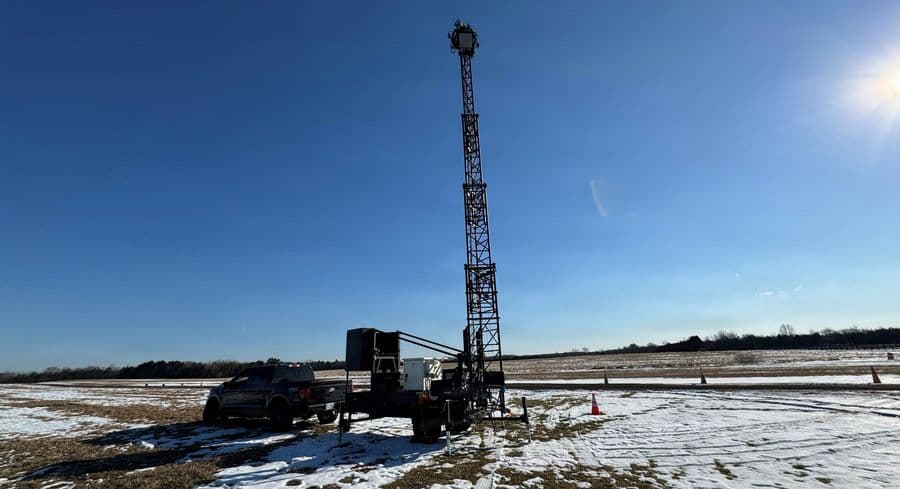
Radio Frequencies in the Intelligence Ecosystem
For decades, imagery has been the dominant method GEOINT analysts have used to evaluate the world. Unfortunately, our adversaries know it. They have learned to evade imagery surveillance - but they didn’t stop there. Adversaries have also gotten better at managing their digital signatures and concealing movement by exploiting the gaps in our known collection patterns and revisit windows. They have deliberately adapted across multiple observable signatures to avoid detection – for instance, maritime vessels go dark and assets move under cover of darkness and spoof their location to hide where they are and what they’re doing there.
The intelligence community already fuses multi-source intelligence to address this. But if we shift radio frequency (RF) collection further upstream in the data collection and workflow process, it can tip and identify activity worth investigating and enable cueing other collection against it. The intelligence community can better leverage an underutilized data layer in their analysis.
U.S. Spy Chief Tapped As White House AI Czar
Director of National Intelligence Jay Clayton will now helm broad domestic technology and economic policy discussions
1w agoRead it on Defense One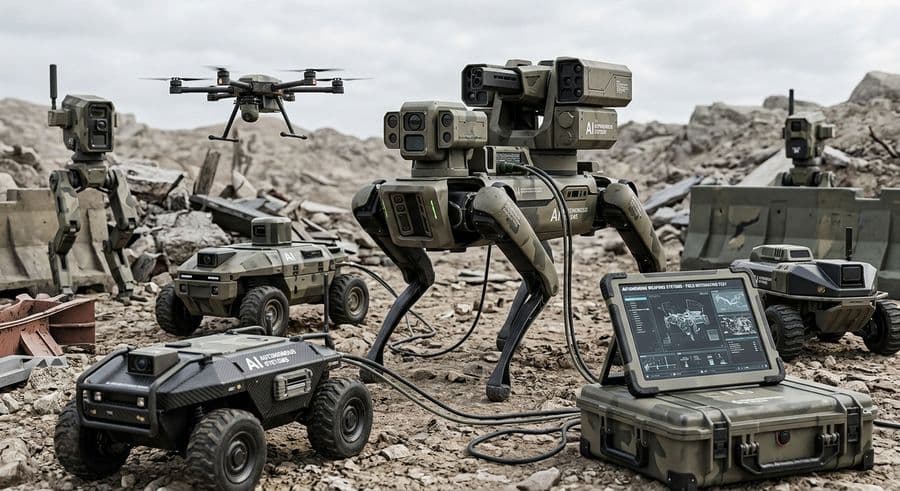
The Strategic Technology Incubation Model
Artificial intelligence exposes a structural flaw in how the United States turns technological innovation into national capability.
America’s private sector builds the technology; government typically enters later as a buyer, attempting to append national security requirements to commercial systems that have already matured. That sequence fails for dual-use technologies that can shift rapidly from commercial software into cyber capabilities, intelligence platforms, autonomous systems, and critical military infrastructure.
The Strategic Technology Incubation Model
Artificial intelligence exposes a structural flaw in how the United States turns technological innovation into national capability.
2w agoRead it on RealClearDefenseMore Than 3 Million People Affected by Military Data Breach
It revealed the names, dates of birth, Social Security numbers, job specialties and other records of nearly 2.8 million living and 294,000 deceased...
2w agoRead it on Federal News NetworkMaven Smart System Exaands to 100K Service Members
The Defense Department is growing the user base for Palantir's Maven Smart System amid the Iran conflict and other demands for the AI-powered...
3w agoRead it on DefenseScoop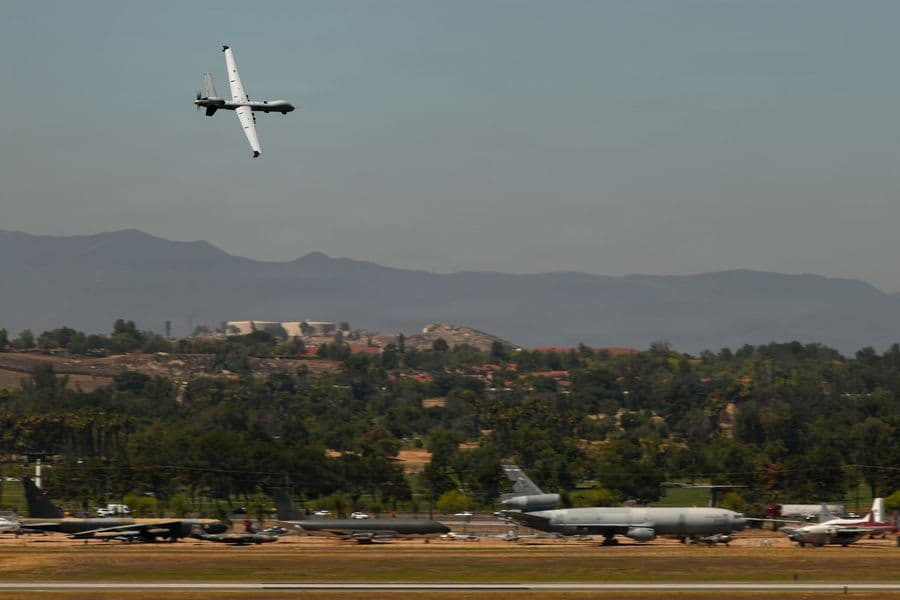
Exemptions and Enablers: The Accountability Gap in Unmanned Warfare
From the comfort of an office, a drone operator executed a lethal standoff strike in Yemen on Anwar al-Awlaki, a senior al-Qaeda operative and U.S. citizen, from the other side of the planet in real-time. He was killed in a non-battlefield environment using Hellfire missiles fired from a remotely operated MQ-9 Reaper drone under secret executive authority. The mission was a collaboration between the CIA and Joint Special Operations Command.
Conducted under Title 50 covert action authority, the operation circumvented the requirement for public Congressional debate and authorization. Therein lies the issue where current laws are ill-equipped to govern the proliferation of unmanned systems. Title 50 authority governs intelligence community operations that can be authorized by the President without Congressional approval. Conversely, the 1973 War Powers Resolution represents a failure of legal limits on Executive conflict-related powers. Together, they create a ‘grey zone’ that is easily exploitable by unmanned systems.
The Accountability Gap in Unmanned Warfare
Unmanned systems, including drones and munitions that are controlled remotely, muddy the waters of deployment, harm's way, and hostilities.
09/09/26Read it on RealClearDefense
Why U.S. Intelligence Keeps Getting Blindsided
When examining the trajectory of United States strategic intelligence over the opening decades of the twenty-first century, a pattern of profound miscalculation emerges. From the catastrophic oversights of September 11, 2001, to the flawed baseline assertions regarding Iraqi weapons of mass destruction in 2003, and extending through the modern security landscape of 2026—most visibly evidenced by the decentralized tactical resilience of Iran and the resulting maritime blockade in the Strait of Hormuz—the American national security apparatus has repeatedly found itself strategically blindsided. These episodes are rarely failures of raw data collection. Instead, they represent a deeper, systemic vulnerability: the intersection of institutional accountability deficits and severe cognitive limitations inherent to western analytical frameworks.

The Houthis Are Testing the Limits of Collective Defense
By Saima Afzal • RealClearDefense
Radio Frequencies in the Intelligence Ecosystem
By Craig Brower • RealClearDefense
An Acquisitions Process Built for Today's Contested Spectrum Battlefield
By John Malsbury • RealClearDefense
Who Shoots Down the Drone Over the Shipyard?
By John Ferrari & Dillon Prochnicki • RealClearDefense
Preventing the Next World War
By Robert Peters & Wilson Beaver • RealClearDefense
Who Shoots Down the Drone Over the Shipyard?
By John Ferrari & Dillon Prochnicki • RealClearDefense
Northrop Grumman Breaks Out the Big Guns at AUSA
By Daniel Terrill, Defense News
Army Pursuing Diverse Array of New Anti-Air Interceptors
By Trevithick, The WarZoneWho Shoots Down the Drone Over the Shipyard?
By John Ferrari & Dillon Prochnicki, RCD
F-35C Lands for the First Time on a Ford-Class Aircraft Carrier
By The Aviationist