
Compromising Homeland Security Infrastructure
Last updated 03:04 PM EDT • Read time: 5m
The world is more unstable than it has been since World War II, making the need for a robust emergency communications system more critical than ever before. That is why it is so disheartening that some automakers are removing AM radios from their vehicles, which is undermining the efficacy of the National Public Warning System (NPWS). NPWS is the one and only communications system that the government must communicate with the public should the worst occur.
While it is 100-year-old technology, AM radio remains one of the most effective and efficient ways to reach the American people in times of crises. Many AM radio stations can cover hundreds of miles and overcome terrain that other forms of communications cannot. Cell and internet service are unreliable for millions of Americans in rural areas, and they are often the first platforms to go down in a crisis. AM radio’s reach and ability to stay on the air have made it the centerpiece of the government’s NPWS. This is why the Federal Emergency Management Agency (FEMA) has invested heavily in ensuring these stations remain available to the public in national emergencies.
The last seven FEMA directors spanning the Clinton through Trump administrations recently sent a letter to Transportation Secretary Pete Buttigieg highlighting the need to protect AM radio and the NPWS. The Federal Communications Commission issued a statement of affirmation to the FEMA directors’ letter, and a bipartisan congressional coalition introduced legislation intended to protect the NPWS by preserving AM’s availability in vehicles sold in the United States. But despite all this, some automakers continue to ignore our nation’s public safety leaders and insist on removing AM radios to enhance “digitizing” the dashboard.
A 2019 executive order directed the hardening of the country’s critical infrastructure to ensure the federal government remains able to communicate with the public. Defense and intelligence experts have said that the Chinese spy balloon could have been made capable of generating an electromagnetic pulse (EMP) attack on America's power grid. This could wipe out the country’s Internet and cell phone reception.
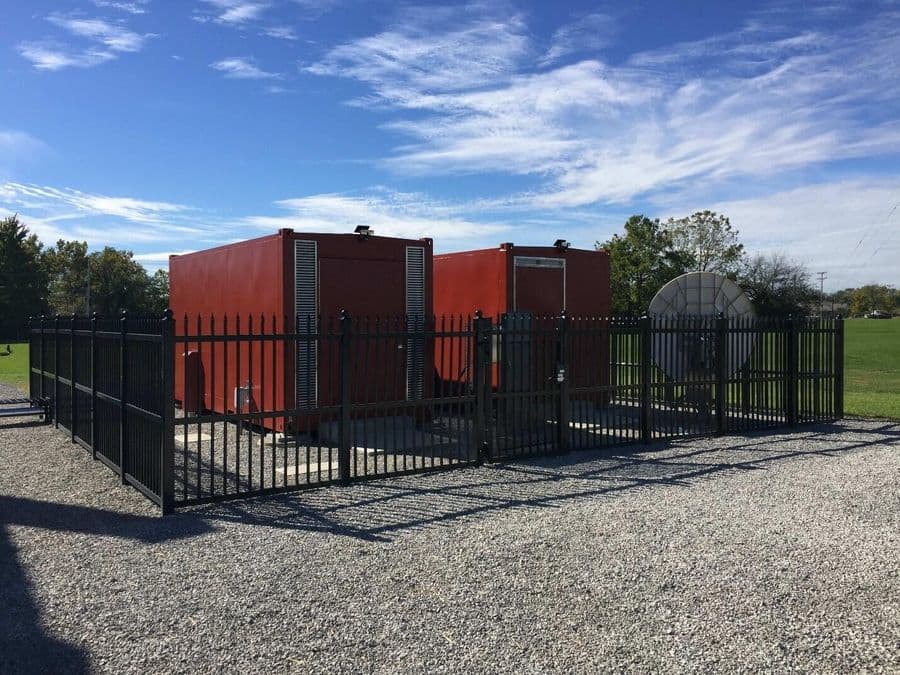
In complying with the president’s executive order, FEMA has given first priority to protecting and strengthening the NPWS and the AM radio signals that power it. Many of the AM stations used as the backbone of the NPWS have been “hardened” to withstand the EMP-style attack these experts have warned about.
In conjunction with FEMA, the Department of Homeland Security Science and Technology Directorate, and the Cybersecurity and Infrastructure Agency, the Department of Homeland Security released a report on potential “operational approaches to protect the National Public Warning System from an electromagnetic pulse.” Together, these departments and agencies have spent countless hours and taxpayer dollars conducting “high-altitude EMP testing on the NPWS equipment to evaluate its operational resiliency” and “confirming the effectiveness of protection for NPWS stations” to demonstrate “they could withstand the effects of an EMP in accordance with military specifications.” However, by opting not to carry AM, carmakers are now undercutting their efforts, which could make critical emergency news and information inaccessible for the American people at the worst possible time.
Historically, AM radio listenership has always spiked during emergencies. In Hurricane Sandy, for example, over one million people in the New York region tuned into AM in any fifteen-minute period. It’s not difficult to understand why. With Internet and cellphone service knocked out, they had nowhere else to turn. Now, imagine the widespread panic for news and information that would ensue should an EMP strike occur. A report from the Commission to Assess the Threat of the United States from EMP Attack found millions of people would ultimately perish from such an attack. But although access to breaking news would be more in-demand than ever before, and even though the Homeland Security Department has made protecting the NPWS a top operational priority, millions of Americans in cars without AM radios could be without access to critical information. Significant taxpayer dollars would be wasted, and many lives would be put at risk because some automakers choose to ignore the guidance of the nation’s national security leaders.
The national security implications of some automakers removing AM radio do not end with the harm done to the NPWS. Moving to all-digital vehicles could provide foreign adversaries with additional access to American’s data. Policy makers on both sides of the aisle have advocated the banning of TikTok over national security concerns. However, Volvo, for example, is owned by a Chinese company. By removing AM radio from their vehicles, they are effectively forcing their consumers to use streaming services capable of recording and collecting their personal information. China’s Military Civil Fusion laws have mandated that all private sector companies provide their customers’ data to the Chinese Communist Party immediately upon its request. Therefore, it is not unrealistic to fear that drivers’ data could ultimately be handed over to the regime just like many fear could happen with TikTok.
It is time for our government to ensure the NPWS, AM radio, and America’s other critical emergency communications systems are safeguarded from all domestic and international threats and remain available to the American public—even in its cars. We’ll all be better off because of it.
Col. Terry Thompson, U.S. Air Force (ret.) was a war planner at the Pentagon, and wing commander at Dyess Air Force Base, Texas.

Reflecting on an Epic Horse Campaign in the Mountains of Afghanistan
By Brian Glyn Williams • RealClearDefense
The Godfather of American Foreign Policy Realism Speaks to Today’s World
By Francis P. Sempa • RealClearDefense
In Pursuit of Nuclear Abolition
By Peter Huessy • RealClearDefense
Innovation Alone Won’t Prepare the U.S. for the Future Battlefield
By Joshua Segal • RealClearDefense
The sUAS Tactical Trifecta
By Bryan T. Woody • RealClearDefense

Navy Civilianizes Six Former Flag Billets, Reduces Six to Captains
By Mongilio, USNI N.
Raytheon's $8B Contract for Strategic Comms Terminal Modernization
By M+A El
America’s Maritime Moment Will Not Wait
By CDR Salamander
Armor Up?
By Marine Corps Compass Points
Who Shoots Down the Drone Over the Shipyard?
By John Ferrari & Dillon Prochnicki • RealClearDefense