
Iran
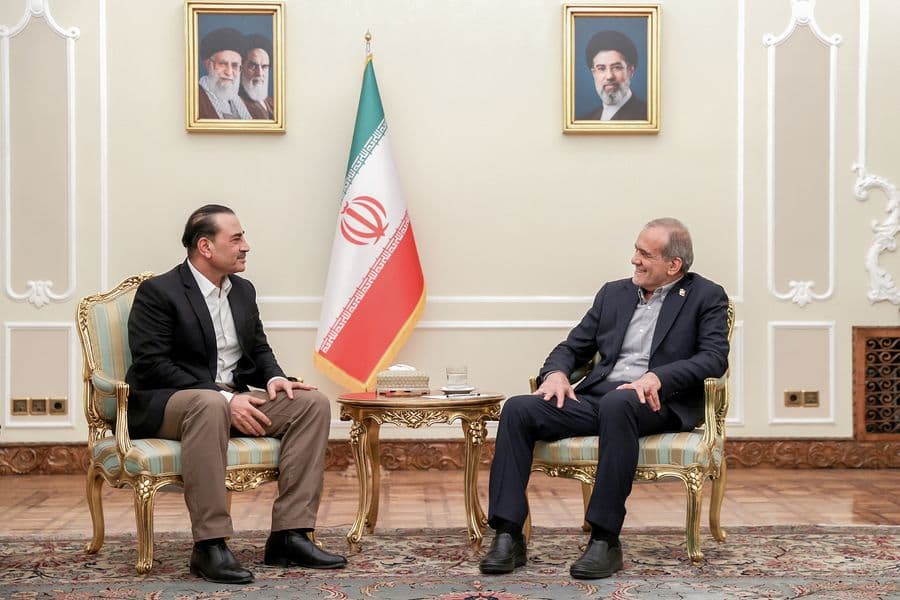
Lost in Mediation: Why Pakistan Is the Wrong Messenger to Tehran
Washington may finally have Iran under the kind of sustained pressure that months of negotiations failed to produce. Renewed U.S. sanctions, restrictions on Iranian financial and commercial networks, pressure on oil revenues, and the cumulative economic costs of war have narrowed Tehran’s room for maneuver. Iran tried to push those costs outward through restrictions on the Strait of Hormuz, raising expenses for shipping, Gulf exporters, insurers, and Asian energy consumers. Gulf producers and commercial operators have adapted sufficiently to keep substantial volumes moving, eroding Tehran’s ability to turn maritime disruption into the economic stranglehold it sought. Serious negotiations may resume after the U.S. midterms, giving Washington an opportunity to convert accumulated economic pressure into Iranian concessions. The previous negotiating process repeatedly converted pressure into pauses before Tehran had paid the political and economic price Washington was trying to extract.
Pakistan is the wrong country to entrust with converting that pressure into practical next steps. Islamabad needs a workable relationship with Tehran for its own economic and security interests, while Iran possesses several ways to make deterioration painful for Pakistan. American sanctions obstruct Pakistani plans for Iranian energy and expanded trade. Confrontation threatens Balochistan and could force Islamabad to divert security resources toward an already unstable frontier. Pakistan’s Makkah defense commitments to Saudi Arabia at least theoretically expose it to Iranian support for the Houthis, making Iranian restraint valuable to Islamabad regardless of what Tehran gives Washington. China, Pakistan’s indispensable strategic partner, purchases Iranian petroleum and wants reliable Gulf energy flows. Pakistan’s military leadership has also used mediation to rebuild its political relevance in Washington by presenting access to Tehran as a valuable diplomatic asset. These interests have consistently pushed Islamabad toward de-escalation at precisely the point when sustained pressure had the potential to force Iran into harder choices.
Why Pakistan Is the Wrong Messenger to Tehran
Washington may finally have Iran under the kind of sustained pressure that months of negotiations failed to produce.
1d agoRead it on RealClearDefenseRAF Fairford Incident Almost Certainly Directed by Iran
The incident at RAF Fairford is assessed as highly likely to have been coordinated in Iran and almost certainly directed by the Islamic...
1d agoRead it on UK Defence JournalAs Force Exposure Becomes Perilous, Wars Become Long
If it was ever safe to assume that wars would be quick and decisive, it is increasingly difficult to do so.
1d agoRead it on The Strategist (ASPI)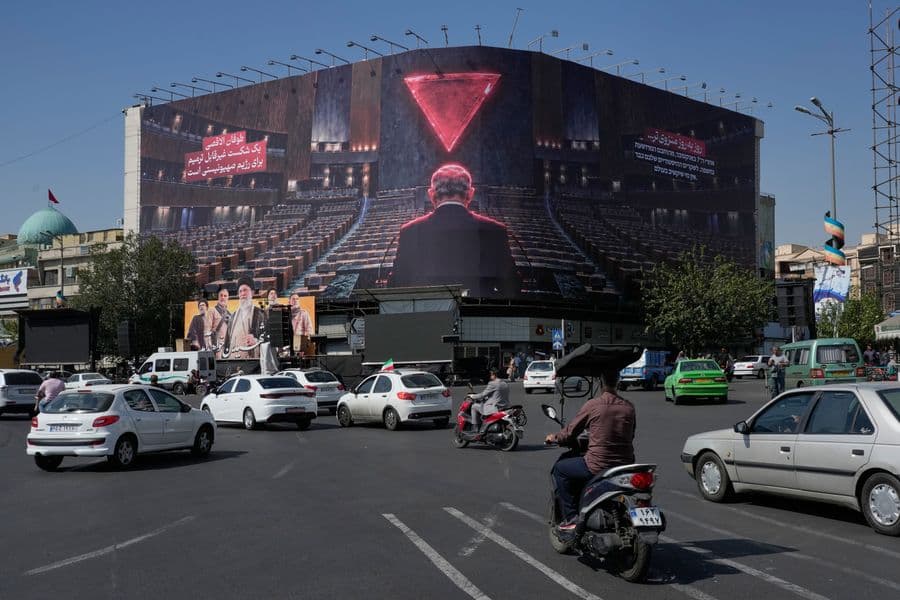
The Coming War in America: Iranian Threats to the U.S. Homeland
... the Islamic Republic of Iran has been at war with the United States for nearly fifty years.
2d agoRead it on National Institute for Public Policy
Iran Doesn't Need to Leave the Treaty. It Has Already Left the Inspectors.
Two Iranian messages went out in the same week of September. On September 20, a group of lawmakers in Tehran submitted a bill under the parliament’s “triple urgency” procedure calling for Iran to withdraw from the Nuclear Non-Proliferation Treaty. One of the bill’s sponsors, Hossein Ali Haji-Deligani, had separately called for nuclear-weapons tests to be conducted as soon as possible. Days later in New York, President Masoud Pezeshkian told CBS News that Iran would let United Nations inspectors back into the country as part of a long-term ceasefire.
The first message made the headlines. The second is the story.
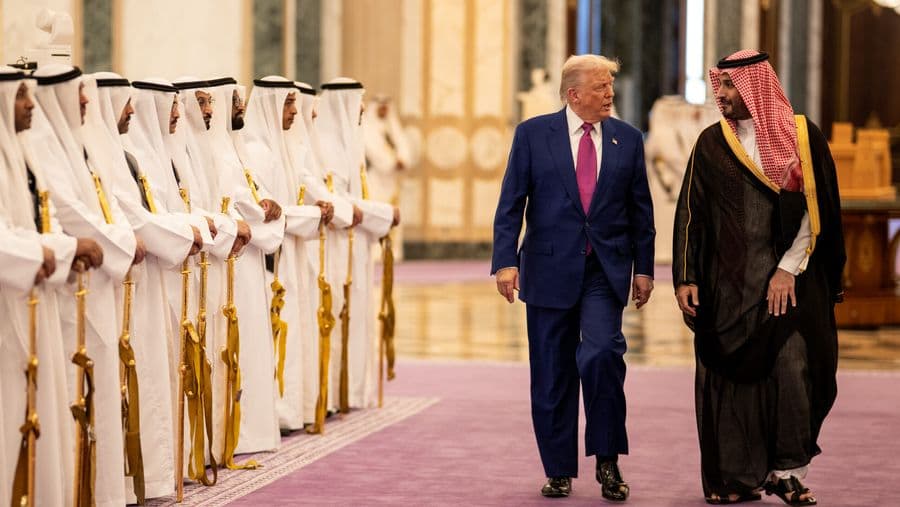
Defanging the Saudi Nuclear Deal
Earlier this month, the House introduced a resolution of disapproval to the U.S.-Saudi nuclear cooperative agreement. The resolution might fail but it’s likely only the opening round of a longer fight. Next year, the House and Senate may condition the deal’s implementation. This requires legislation, but the legislative door is largely open.
Under the Atomic Energy Act, Section 123a, the Kingdom can’t enrich U.S.-supplied material without prior consent. Such approvals were supposed to be given on a case-by-case basis, not with a one-time, long-term, programmatic authorization. Each of these “subsequent arrangements” also must sit for review before Congress for 15 legislative days.
Iran Doesn't Need to Leave the Treaty. It Has Already Left the Inspectors.
Iran does not need to leave the treaty to leave the inspectors. It has already done that. Now it is offering to sell access back.
6d agoRead it on RealClearDefenseDefanging the Saudi Nuclear Deal
When it comes to Saudi nuclear fuel making, Congress should distrust and verify.
6d agoRead it on RealClearDefense
Innovation Alone Won’t Prepare the U.S. for the Future Battlefield
By Joshua Segal • RealClearDefense
The sUAS Tactical Trifecta
By Bryan T. Woody • RealClearDefense
The Revolutionary War: When Strategic Options Share the Same Weakness
By Henry Yep • RealClearDefense
The Houthis Are Testing the Limits of Collective Defense
By Saima Afzal • RealClearDefense
Radio Frequencies in the Intelligence Ecosystem
By Craig Brower • RealClearDefense

Who Shoots Down the Drone Over the Shipyard?
By John Ferrari & Dillon Prochnicki • RealClearDefense
Northrop Grumman Breaks Out the Big Guns at AUSA
By Daniel Terrill, Defense News
Army Pursuing Diverse Array of New Anti-Air Interceptors
By Trevithick, The WarZoneWho Shoots Down the Drone Over the Shipyard?
By John Ferrari & Dillon Prochnicki, RCD
F-35C Lands for the First Time on a Ford-Class Aircraft Carrier
By The Aviationist