
U.S. Intelligence Community
RealClear Context
Click below to continue reading this story, discover more U.S. Intelligence Community stories from over 25 years of RealClear archives, or follow this topic to stay in the know.
C.I.A. Waterboarded More Than It Admitted
The C.I.A. appears to have waterboarded more detainees than the three terrorism suspects it has officially acknowledged...
3h agoRead it on The New York TimesThe Enduring Nature of Intelligence
A lot has changed since the 1940s, but the need for good intelligence has not....
1w agoRead it on War RoomMax Boot's Wife Indicted for Allegedly Violating FARA
A legal filing in late September named the South Korean National Intelligence Service station chiefs who secretly provided Sue Mi Terry with luxury...
10/24/26Read it on All-Source Intelligence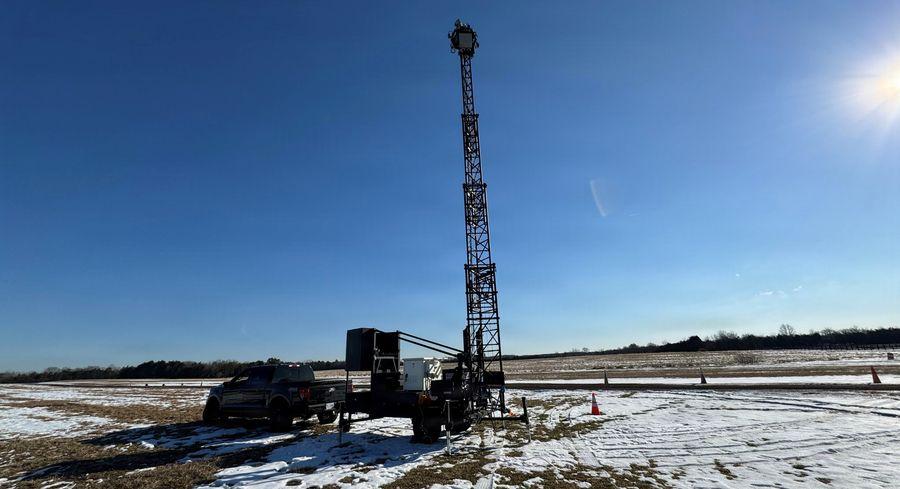
Radio Frequencies in the Intelligence Ecosystem
For decades, imagery has been the dominant method GEOINT analysts have used to evaluate the world. Unfortunately, our adversaries know it. They have learned to evade imagery surveillance - but they didn’t stop there. Adversaries have also gotten better at managing their digital signatures and concealing movement by exploiting the gaps in our known collection patterns and revisit windows. They have deliberately adapted across multiple observable signatures to avoid detection – for instance, maritime vessels go dark and assets move under cover of darkness and spoof their location to hide where they are and what they’re doing there.
The intelligence community already fuses multi-source intelligence to address this. But if we shift radio frequency (RF) collection further upstream in the data collection and workflow process, it can tip and identify activity worth investigating and enable cueing other collection against it. The intelligence community can better leverage an underutilized data layer in their analysis.
Radio Frequencies in the Intelligence Ecosystem
Every modern vessel, ground vehicle and spacecraft emits a radio signal.
10/15/26Read it on RealClearDefenseU.S. Spy Chief Tapped As White House AI Czar
Director of National Intelligence Jay Clayton will now helm broad domestic technology and economic policy discussions
10/07/26Read it on Defense One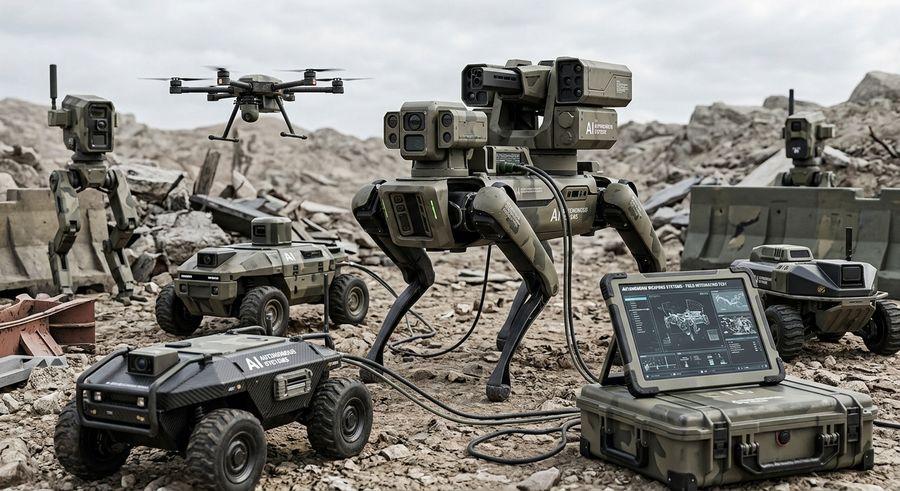
The Strategic Technology Incubation Model
Artificial intelligence exposes a structural flaw in how the United States turns technological innovation into national capability.
America’s private sector builds the technology; government typically enters later as a buyer, attempting to append national security requirements to commercial systems that have already matured. That sequence fails for dual-use technologies that can shift rapidly from commercial software into cyber capabilities, intelligence platforms, autonomous systems, and critical military infrastructure.
The Strategic Technology Incubation Model
Artificial intelligence exposes a structural flaw in how the United States turns technological innovation into national capability.
10/01/26Read it on RealClearDefenseMore Than 3 Million People Affected by Military Data Breach
It revealed the names, dates of birth, Social Security numbers, job specialties and other records of nearly 2.8 million living and 294,000 deceased...
09/29/26Read it on Federal News NetworkMaven Smart System Exaands to 100K Service Members
The Defense Department is growing the user base for Palantir's Maven Smart System amid the Iran conflict and other demands for the AI-powered...
09/23/26Read it on DefenseScoop
When Losing Control of AI Becomes a Weapon
By Yunus Emre Tumen • RealClearDefense
International Allied Reliability of States: Criteria and Evolution
By Sergey E. Ivashchenko • RealClearDefense
Your Military Paycheck Has an End Date
By Sean Ofeldt • RealClearDefense
Masters of Command
By Travis A. Karnes • RealClearDefense
A Sweet American Original
By Greg Maresca • RealClearDefense
Marine Corps Offers Early Exit to Some Enlisted Troops
By Rachel S. Cohen, FNN
U.S. Navy Taps Raytheon to Advance SLCM-N Nuclear Cruise Missile
By Naval News
U.S. Coast Guard Takes Icebreaker on Maiden Voyage to the Arctic
By Navy Times
Monty: Riding the Pendulum
By Zachery Thomas, DODReads
Sign of the Times: CCAs Dominate a Major Fighter Conference
By Bill Sweetman • The Strategist (ASPI)