
Western Hemisphere
Tokyo's Strategic Crossroads in the Eastern Caribbean
The Eastern Caribbean is the most contested diplomatic theater between Beijing and Taipei in the Western Hemisphere
2w agoRead it on RealClearWorld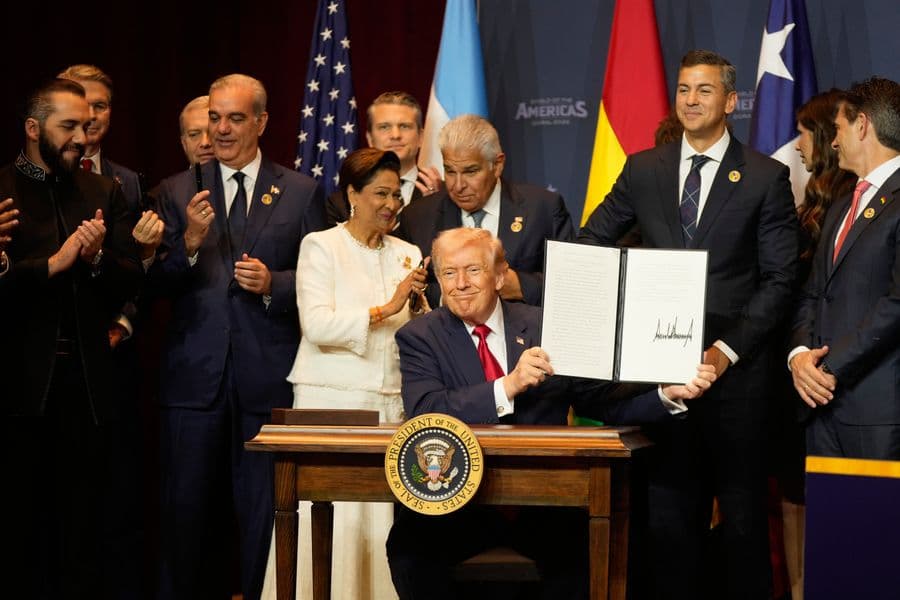
Latin America Has Opened a New Chapter With Washington
The Shield of the Americas initiative can help check criminal and armed groups in the region, but its success will hinge on wider regional...
2w agoRead it on Atlantic CouncilNew U.S. Security Entities Hint at More Lat. Am. Operations
Senate Defense Bill Shines Spotlight on Latin America
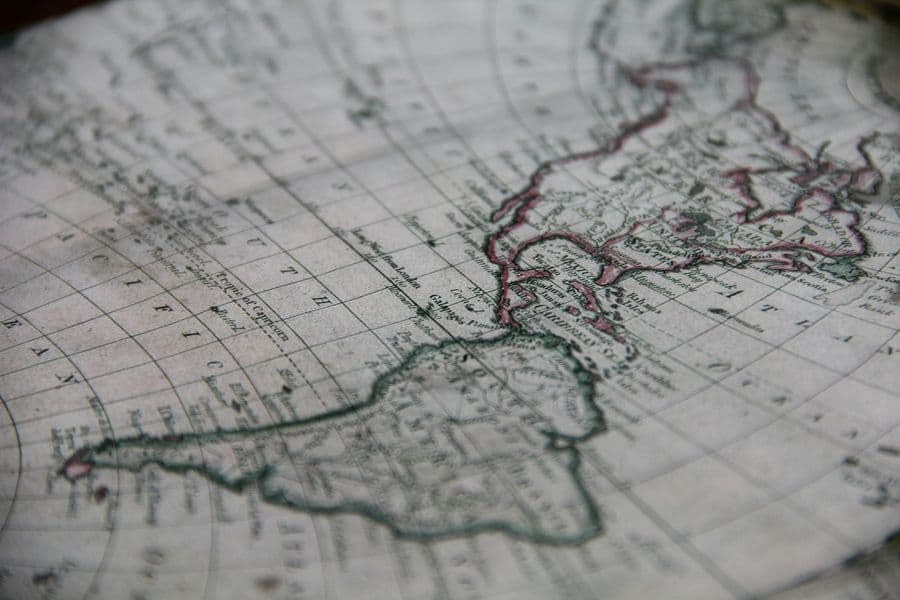
Last month, the Senate Armed Services Committee (SASC) adopted its version of the Fiscal Year 2027 National Defense Authorization Act (NDAA). Under the leadership of Chairman Roger Wicker (R-MS), the SASC bill makes important strides in strengthening hemispheric defense. By putting additional focus on national security threats in Latin America, the Senate version of the NDAA would deliver long-overdue congressional defense attention on this critical region.
The Trump Administration’s 2026 National Defense Strategy put security in the Western Hemisphere alongside protecting the homeland on the list of the Pentagon’s top strategic priorities. The NDS comes in response to escalating threats to the American people and U.S. strategic interests close to home. These include narco-terrorist groups challenging state control and moving deadly drugs in Mexico, Colombia, and other U.S. partner countries, China’s growing activity and influence, and enduring anti-American regimes in Cuba, Nicaragua, and Venezuela. Focusing more attention on these threats can come at a relatively low cost in military and budgetary terms while delivering direct benefits to the American people.
Senate Defense Bill Shines Spotlight on Latin America
By putting additional focus on national security threats in Latin America, the Senate version of the NDAA would deliver long-overdue congressional...
07/13/26Read it on RealClearDefense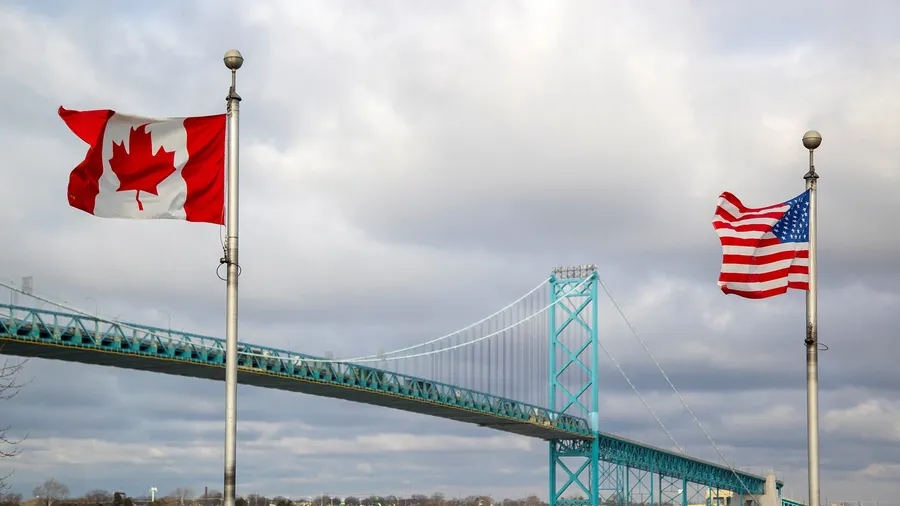
Canada's Broken Immigration Gate Is an American Security Problem
A state that loses the capacity to screen at its own gates does not contain the consequence within its own borders. Canada’s immigration bureaucracy is now creating a security problem not only for Canada, but for the United States.
For two centuries, Washington has benefited from an assumption it rarely had to inspect: that the Canadian state could competently govern its own gate. The northern border was not treated as a major strategic vulnerability because the two countries operated on a quiet premise. Whoever Canada admitted, regularized, naturalized, or failed to remove was generally not someone the United States needed to screen again as a primary threat.
Canada's Broken Immigration Gate Is an American Security Problem
A state that loses the capacity to screen at its own gates does not contain the consequence within its own borders.
07/06/26Read it on RealClearDefenseU.S., Cuban Military Officials Meet Outside of Guantánamo Base

In Pursuit of Nuclear Abolition
By Peter Huessy • RealClearDefense
Innovation Alone Won’t Prepare the U.S. for the Future Battlefield
By Joshua Segal • RealClearDefense
The sUAS Tactical Trifecta
By Bryan T. Woody • RealClearDefense
The Revolutionary War: When Strategic Options Share the Same Weakness
By Henry Yep • RealClearDefense
The Houthis Are Testing the Limits of Collective Defense
By Saima Afzal • RealClearDefense

Who Shoots Down the Drone Over the Shipyard?
By John Ferrari & Dillon Prochnicki • RealClearDefense
Northrop Grumman Breaks Out the Big Guns at AUSA
By Daniel Terrill, Defense News
Army Pursuing Diverse Array of New Anti-Air Interceptors
By Trevithick, The WarZoneWho Shoots Down the Drone Over the Shipyard?
By John Ferrari & Dillon Prochnicki, RCD
F-35C Lands for the First Time on a Ford-Class Aircraft Carrier
By The Aviationist