
In Praise of Central Asia
Last updated 01:42 PM EDT • Read time: 5m
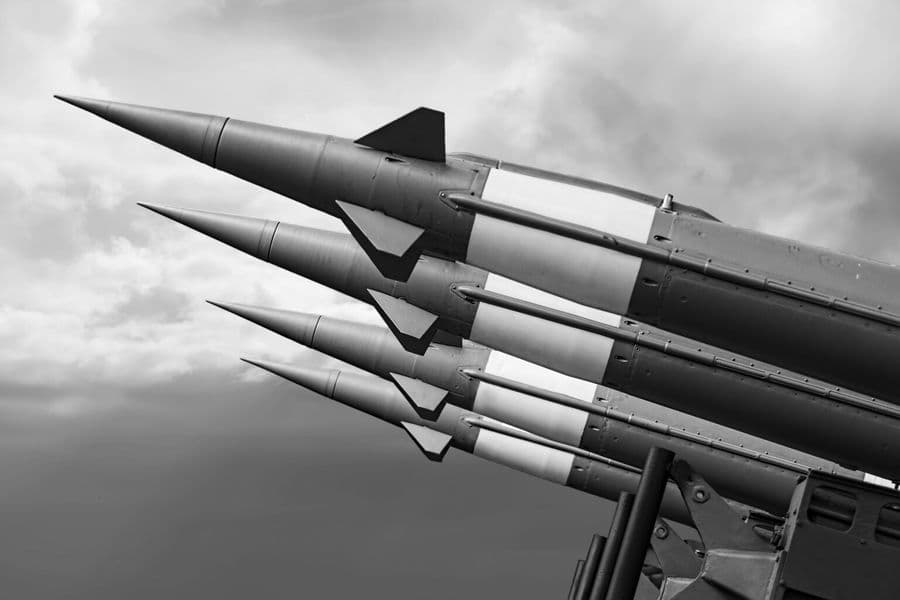
When Central Asian states gained their independence in 1991, the expert consensus predicted a high likelihood of war among them. Thirty-three years later, not only has that war not occurred, those states have also visibly stepped onto a trajectory of regional integration and peace. One prominent example of this peaceful trajectory is the treaty making Central Asian Nuclear Weapons Free Zone (CANWFZ) that commits all the regional governments to exempting their states. Equally, if not more importantly, this 2009 treaty led to a protocol signed by all the members of the P5 at the UN in 2014.
This protocol provides for legally binding security assurances by all the signatories that they will neither threaten nor use a nuclear weapon or nuclear explosive device against any of the parties to the treaty. Since then, all the members of the P5 have ratified the protocol except for the U.S. The U.S., however, arguable should ratify the protocol as soon as it can. There are many reasons for doing so. First, it remains the case that both Russia and China continue to depreciate the independence of Central Asian states and subject them to their neo-imperial policies and perspectives. And since Moscow has made clear its utter disregard for the arms control and nonproliferation treaties it has previously signed, the validity of its signature on the protocol is highly questionable and in doubt. A U.S. ratification of the protocol therefore deprives Moscow of potential excuses for leaving the protocol.
At the same time ratification sends a signal to Central Asia that Washington takes their independence seriously and by doing so it registers that support. This policy conforms to the Biden Administration’s enhanced political presence in Central Asia and support for heightened U.S. investment there. This step would, therefore, signify to all manner of foreign audiences that we have both an ongoing and growing interest in Central Asia and will not abandon it to the tender mercies of Moscow and Beijing.
But beyond important issues of regional security connected to the treaty and protocol, ratification of these documents is important, even arguably critical, from the standpoint of arms control and nonproliferation. It is clear to virtually every observer that both these treaty regimes and the ensuing orders created by those treaties are in grave danger. Moreover, they are at risk in large measure due to Russo-Chinese actions. Russo-Chinese networks are among the primary suppliers of missile and nuclear components to North Korea with ballistic missiles Meanwhile both states have broken with the UN sanctions regime that they previously upheld to violate those sanctions. Meanwhile North Korea is supplying missiles to Russia and evidently is receiving help from Russia for its space satellites. North Korea is itself a major proliferator and its links to Iran, Syria, and other countries in this regard is long-standing.
In other words, we currently confront a worldwide network, led by Russia, China, and North Korea, of nuclear proliferation. Indeed, Russia providing China with the means to double its nuclear forces by 2030. And both states may be collaborating on placing nuclear weapons in space. Certainly both governments are either funding Iranian nuclearization or actively supporting its terrorist proxies while Iran is evidently merely weeks away from getting its own nuclear capability. These activities clearly reflect coordinated policies and strategies to undermine both the arms control and nonproliferation regimes, leaving it to Washington to organize and lead the resistance to their threats to global security. In this context the ratification of the protocol and the CANWFZ become much more important statements of resolve to uphold these endangered regimes and orders.
Thus, ratification is very much in Washington’s interests both from the perspective of Central Asia’s regional security and with regard to the arms control and nonproliferation regimes and ensuing orders that are bedrocks of international security writ large. By promoting the former set of interests, we also strengthen our resolve to counter Sino-Russian challenges to the foundation of international security and vice versa. This point is not surprising because for those states, who are launching a sustained attack on global order, also are pursuing, as part of that assault, persistent efforts to suborn regional security orders as part of their campaign. Therefore, mutually reinforcing efforts to counter their strategies, e.g. ratification of the protocol and CANWFZ possess a compelling strategic rationale for the U.S. Likewise, we need to acknowledge the far-sightedness of Central Asian leaders who championed the treaty and helped persuade the P-5 to accept the protocol, fully grasped the linkages among regional security, arms control, and nonproliferation. Today, too, we cannot afford to forget that lesson.
Dr. Stephen J. Blank is a Senior Fellow at Foreign Policy Research Institute. He is an internationally renowned expert on Russian and Chinese defense policy. He is the author of "Light from the East: Russia's Quest for Great Power Status in Asia" (Taylor & Francis, 2023). He was a Professor of National Security Studies at the Strategic Studies Institute of the U.S. Army War College.
In Pursuit of Nuclear Abolition
By Peter Huessy • RealClearDefense
Innovation Alone Won’t Prepare the U.S. for the Future Battlefield
By Joshua Segal • RealClearDefense
The sUAS Tactical Trifecta
By Bryan T. Woody • RealClearDefense
The Revolutionary War: When Strategic Options Share the Same Weakness
By Henry Yep • RealClearDefense
The Houthis Are Testing the Limits of Collective Defense
By Saima Afzal • RealClearDefense

Navy Civilianizes Six Former Flag Billets, Reduces Six to Captains
By Mongilio, USNI N.
Raytheon's $8B Contract for Strategic Comms Terminal Modernization
By M+A El
America’s Maritime Moment Will Not Wait
By CDR Salamander
Armor Up?
By Marine Corps Compass Points
Who Shoots Down the Drone Over the Shipyard?
By John Ferrari & Dillon Prochnicki • RealClearDefense