
Grand Strategy
RealClear Context
Click below to continue reading this story, discover more Grand Strategy stories from over 25 years of RealClear archives, or follow this topic to stay in the know.
Americans Will Sacrifice for Their Country, Not for Politicians
American history proves how much citizens will endure when the stakes are clear....
1h agoRead it on RealClearDefense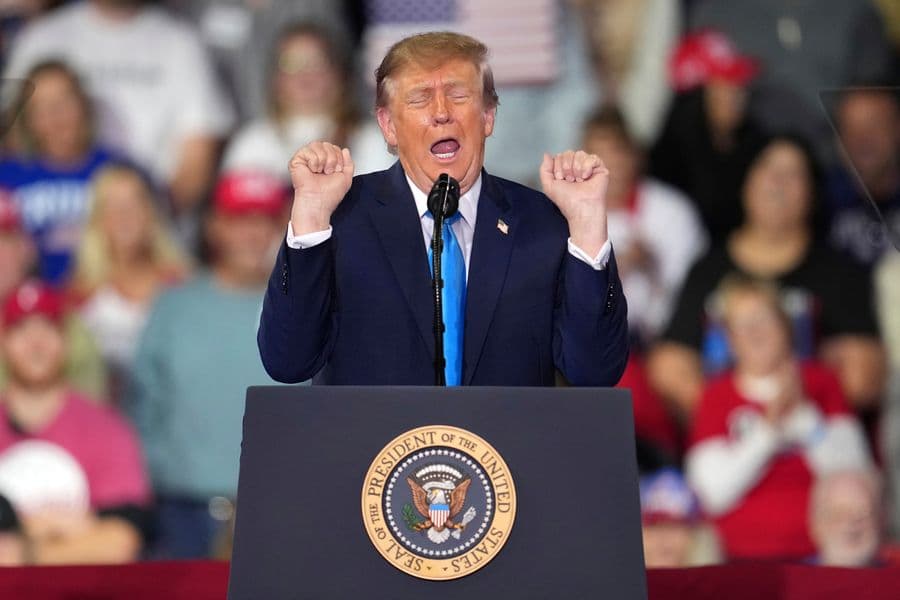
Americans Will Sacrifice for Their Country, Not for Politicians
On October 17, President Trump told a Kentucky rally that the war with Iran is “going to end very quickly.” A day later, he declared that Iran had been “systematically destroyed, both Militarily and Financially,” and warned that unless Tehran changes course, “we will soon finish the job.” Only ten days earlier, he had promised not to strike Iran before the midterms. Tehran’s foreign minister answered with a taunt: “Want to try your luck again?”
The bluntest demand for an end to this war has come not from the White House but from New Jersey. Asked at an October 8 Senate debate what advice he would give Trump on Iran, Republican challenger and Navy veteran Justin Murphy began with two words: “Finish it.” The clip quickly went viral, drawing national coverage far beyond the state.
A Less-Is-More Strategy for America
The Folly of Expanding the Exhausted U.S. Military...
6d agoRead it on Foreign AffairsEmpires of AI
The Rise and Fall of a New Global Order...
1w agoRead it on Foreign AffairsTrump's Disrupt First, Negotiate Second: Greenland in Focus
Donald Trump learned his trade doing real estate deals in New York long before he ever ran for office, and the lesson he carried into the Oval Office...
1w agoRead it on RealClearDefenseIt’s Not President Trump but Thomas Friedman Who Should Be Ashamed
New York Times columnist Thomas Friedman warns President Trump that if he continues with the diesel deal with Russia he “will enter the history books...
1w agoRead it on RealClearDefense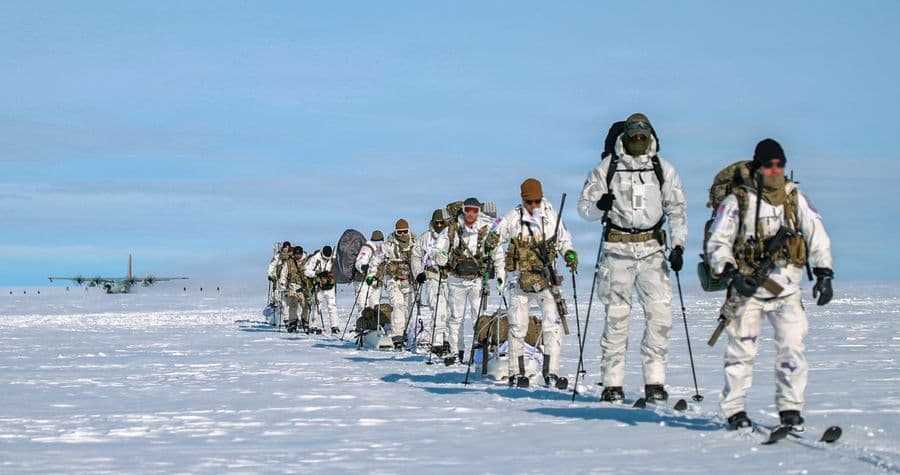
Trump's Disrupt First, Negotiate Second: Greenland in Focus
Donald Trump learned his trade doing real estate deals in New York long before he ever ran for office, and the lesson he carried into the Oval Office was simple: whoever needs the deal less controls the table. In his 1987 book on dealmaking, he described leverage as having something the other side wants, or better, something it cannot do without. Almost forty years later, that instinct still drives his foreign policy and his trade fights. He does not negotiate the way career diplomats do, by working slowly toward consensus. He disrupts the baseline first and lets the discomfort do the negotiating for him.
The Greenland security pact he signed on September 22 is the clearest recent example.
It’s Not President Trump but Thomas Friedman Who Should Be Ashamed
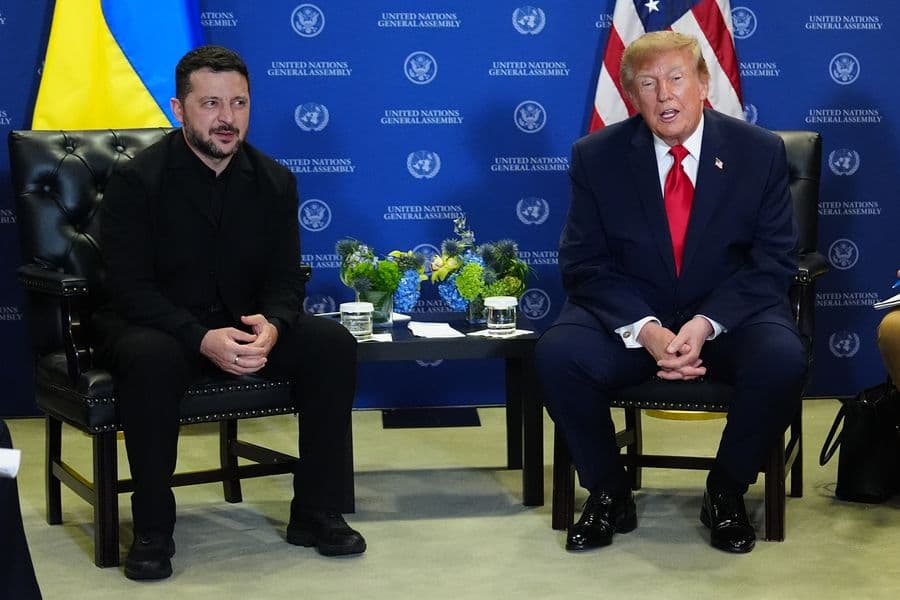
New York Times columnist Thomas Friedman warns President Trump that if he continues with the diesel deal with Russia he “will enter the history books in the chapter on leaders who sold out their country’s democratic values to appease a dictator.” Friedman then compares Trump to, who else, Neville Chamberlain, who also, according to Friedman, was a “traitor to his country’s core values.” But, Friedman writes, Trump is worse because Chamberlain was trying to avert a world war whereas Trump is doing the diesel deal supposedly to avoid Republicans losing the midterm elections. The headline for the column says that Trump’s deal “shames us all,” but it’s Thomas Friedman who should be ashamed.
Friedman apparently cares more about Ukrainian “democracy” (in a country under martial law, with elections suspended, where Zelensky rules by decree, referenda are dismissed, opposition parties are banned, and media is nationalized) than with providing some economic relief to American consumers. In his view, making an energy deal with Russia in an effort to lower diesel prices in the United States and thereby lower the costs of goods that are transported by trucks and other diesel vehicles is to be against American “values.” Placing the interests of American consumers ahead of the interests of Ukraine, in Friedman’s world, is to be a “traitor” to America’s core values.
The Godfather of American Foreign Policy Realism Speaks to Today’s World
It’s a good bet that most Americans have never heard of Nicholas Spykman. He was born on October 13, 1893, in Amsterdam, the Netherlands. He attended...
1w agoRead it on RealClearDefenseThe Godfather of American Foreign Policy Realism
It’s a good bet that most Americans have never heard of Nicholas Spykman. He was born on October 13, 1893, in Amsterdam, the Netherlands. He attended...
1w agoRead it on RealClearDefense
We Cannot Build Tomorrow's Weapons With Yesterday's Alloys
By Joseph F. Krause • RealClearDefense
Americans Will Sacrifice for Their Country, Not for Politicians
By Jane Li • RealClearDefense
No Need for a New World Order
By Will Thibeau • RealClearDefense
Congress: Don’t Let the NDAA Hand China Our Defense Blueprints
By Richard Newton • RealClearDefense
Washington Cannot Ignore Afghanistan’s Weapons Legacy
By Saima Afzal • RealClearDefense

Marines Deploy Neros Archer Drone in Live Fire Exercise for First Time
By USNI News
Confessions Of An SR-71 Blackbird Pilot
By Howard Altman, The WarZone
Air Force Exploring Creative Ways to Produce More Pilots
By Laura Heckmann, NatDef
"Super F-22' Propels Rator to Fly With F-47 Into 2060s
By Kris Osborn, Warrior Maven
GA-ASI and Saab Test AEW Payload on MQ-9B
By Stefano D'Urso, The Aviationist