
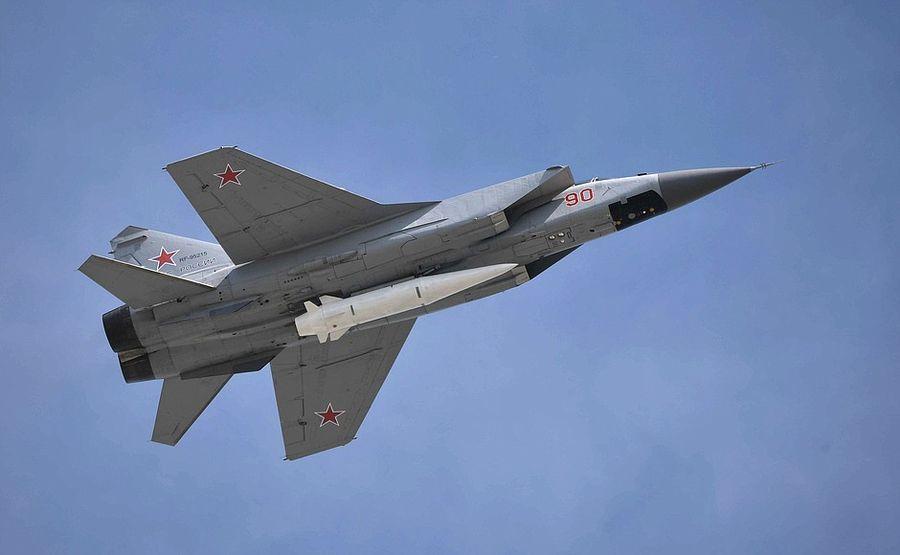
Russia's Exotic Nuclear Weapons and Implications for the United States and NATO
Published March 10, 2020 • Read time: 1m
In 2018, Russian President Vladimir Putin announced five new nuclear-capable, strategic weapons systems. These systems include a nuclear-powered, nuclear-armed cruise missile and a nuclear-powered, nuclear-armed submarine drone. What does Russia have to gain from developing these novel and exotic nuclear weapons? And what should the United States and NATO do about it?
This new Atlantic Council issue brief, Russia’s Exotic Nuclear Weapons and Implications for the United States and NATO, answers these questions. Informed by a workshop convened by the Scowcroft Center for Strategy and Security and Los Alamos National Laboratory, authors Matthew Kroenig, Mark Massa, and Christian Trotti evaluate the potential utility, motivations, and consequences of these new systems. Among other conclusions, the most significant may be that great-power competition has returned, and with it, the importance of nuclear weapons in international politics.
DOWNLOAD PDF
The Pressure Is the Message: What Xi and Putin Faced in Shenzhen
By Emzari Gelashvili • RealClearDefense
China’s Revised Mobilization Law and the Expanding Reach of National Defense
By Muhammad Shoaib • RealClearDefense
U.S. Putting Weapons in Space: A Strategic Blunder?
By Ajey Lele • RealClearDefense
The Clearance Myth Is a Readiness Problem
By Elijah Fernandez • RealClearDefense
The Pentagon's Next Readiness Test Should Begin When the Cloud Goes Dark
By Colton Overcash • RealClearDefense
U.S. Putting Weapons in Space: A Strategic Blunder?
By Ajey Lele • RealClearDefense
U.S. Senate Seeks to Exchange Shipbuilding Funds for More Munitions
By Naval News
F-35C Completes First Launch and Recovery Trials on a Ford-Class Carrier
By Navy T.
USS George Washington Leaves Mideast As Trump Mulls Ending Iran War
By S&S
ULA’s Latest Launch Failure Spells Trouble for Space Force
By Greg Hadley, A&SF