
Supply Chain
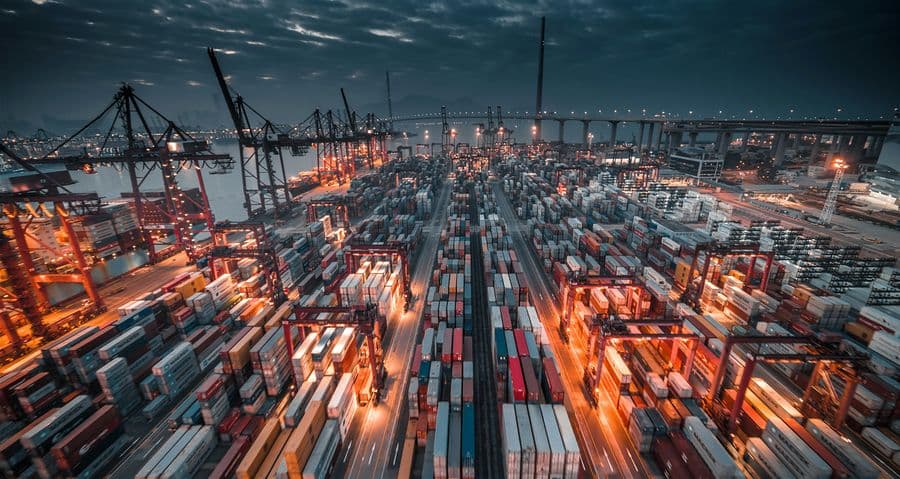
Made-in-America Won't Secure the Pentagon's Supply Chain
A defense contractor can know where a component was assembled and still have no visibility into the companies behind it. A domestic supplier may depend on an overseas manufacturer owned through entities spanning several jurisdictions. A country-of-origin designation alone can’t reveal those relationships.
Executive Order 14415 directs the Department of War to develop deeper supply-chain mapping and supplier-vetting requirements for national-security acquisitions, including greater visibility into critical materials and the financial, ownership and manufacturing risks associated with suppliers throughout the chain.
Made-in-America Won't Secure the Pentagon's Supply Chain
A defense contractor can know where a component was assembled and still have no visibility into the companies behind it.
1w agoRead it on RealClearDefense
China's Semiconductor Bottlenecks Are Disappearing
Washington's semiconductor debate increasingly centers on the question: Can China build an extreme ultraviolet lithography machine? EUV systems are essential for producing the world's most advanced chips efficiently, and China still cannot manufacture them at scale. That constraint matters. But a strategy built around one machine risks missing the larger change underway across China's semiconductor industry. Meanwhile, making smaller chips is increasingly less important to the future of advanced semiconductors as physics constraints slow progress and advanced packaging creates a new avenue for improvement.
Beijing is steadily reducing its dependence on foreign suppliers across the broader chip supply chain. That progress is uneven, and some critical gaps will remain for years. Still, the direction is clear. China is building domestic capabilities in the equipment, materials, components and manufacturing processes needed to support a far more self-sufficient semiconductor ecosystem. Missing that key point could become a major strategic setback for the Western tech ecosystem
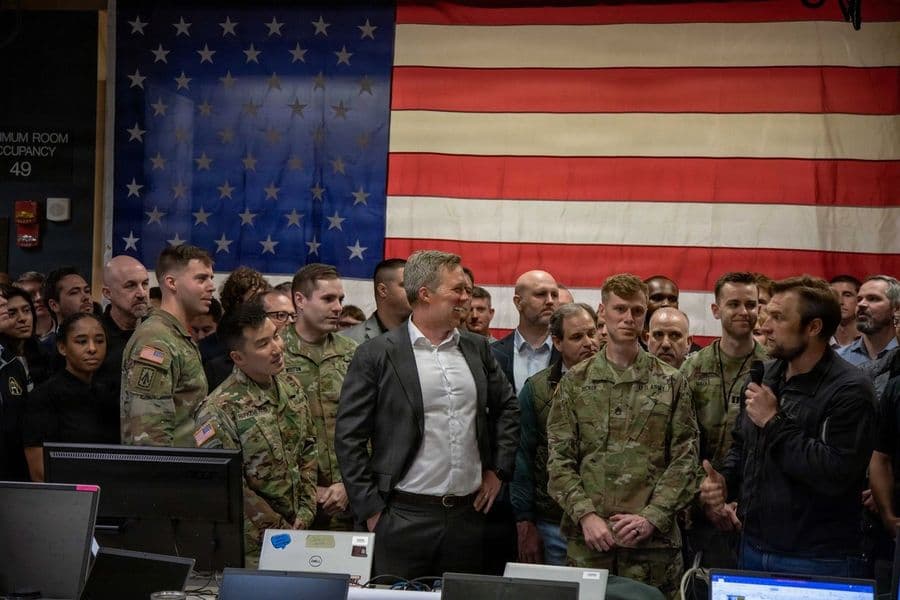
Logistics: One Byte at a Time
An old adage holds: bullets don’t fly without supply. Today, bullets don’t fly without bytes.
The Department of War’s fortification and digitization of its supply chains is a long overdue investment. Yet one critical element continues to lag: logistics command and control (C2).
China's Semiconductor Bottlenecks Are Disappearing
Washington's semiconductor debate increasingly centers on the question: Can China build an extreme ultraviolet lithography machine?
1w agoRead it on RealClearDefenseLogistics: One Byte at a Time
An old adage holds: bullets don't fly without supply. Today, bullets don't fly without bytes.
1w agoRead it on RealClearDefenseWhy the Pentagon's Drone Revolution Could Run Out of Power
The United States is making historic investments in autonomous platforms. But it is not sufficiently bolstering the battery supply chains they...
2w agoRead it on RealClearDefenseMemory Chip Shortage Requires Investment and Teamwork
... as we build, Washington and industry need to address a fast-emerging constraint that could slow that progress and raise costs for American...
09/16/26Read it on RealClearDefenseLower-Tier Suppliers a Hidden Risk to Navy's Shipbuilding Ambitions
The next shipbuilding delay may already be taking shape — not at one of the major U.S. shipyards, but inside a small manufacturing company that few...
09/08/26Read it on National Defense Magazine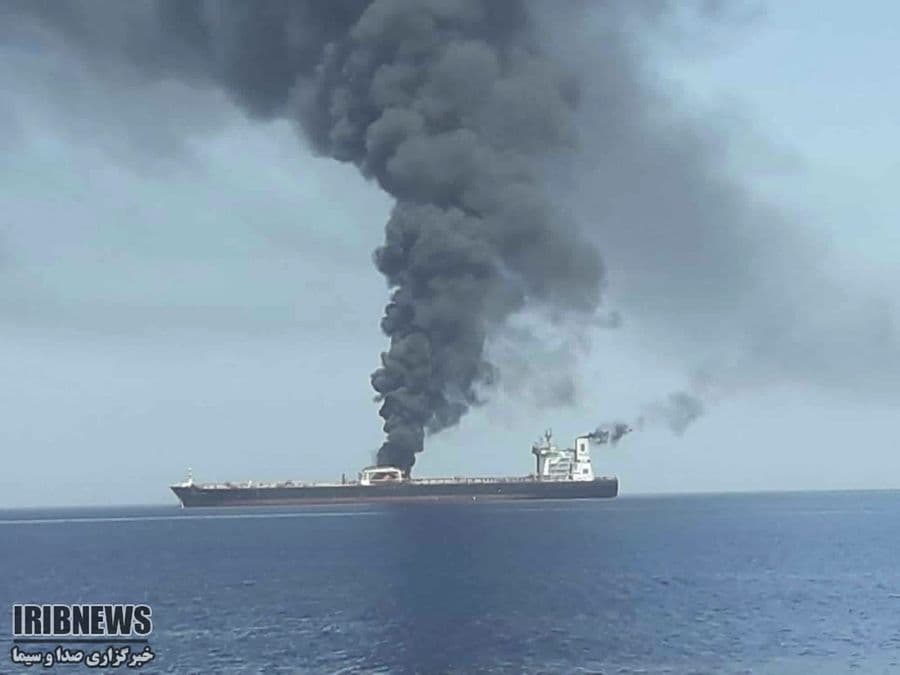
Open Warfare: Hidden Costs
As the world is re-learning, national security and economics are as inextricable as a mortise and tenon in a working wooden joint. Rising fuel prices have cost the U.S. defense department over one billion dollars in the past six months. Part of the added cost is in global shipping prices. Shipping costs raise the price of what is paid for gas and oil-based products. In fact, arbitrarily determined shipping costs and their related insurance premiums are already increasing energy bills in a significant way that affects the global price of oil and has received scant attention.
Mercuria Energy Group, a commodity trading giant with more than $6 billion in equity, filed suit against the Baltic Exchange, the nearly 300-year-old institution that sets the world’s shipping benchmarks. Mercuria experienced losses running into the hundreds of millions of dollars on freight contracts tied to a benchmark called TD3C. TotalEnergies, a century-old French, global energy company is reportedly weighing a similar claim.

In Pursuit of Nuclear Abolition
By Peter Huessy • RealClearDefense
Innovation Alone Won’t Prepare the U.S. for the Future Battlefield
By Joshua Segal • RealClearDefense
The sUAS Tactical Trifecta
By Bryan T. Woody • RealClearDefense
The Revolutionary War: When Strategic Options Share the Same Weakness
By Henry Yep • RealClearDefense
The Houthis Are Testing the Limits of Collective Defense
By Saima Afzal • RealClearDefense

Who Shoots Down the Drone Over the Shipyard?
By John Ferrari & Dillon Prochnicki • RealClearDefense
Northrop Grumman Breaks Out the Big Guns at AUSA
By Daniel Terrill, Defense News
Army Pursuing Diverse Array of New Anti-Air Interceptors
By Trevithick, The WarZoneWho Shoots Down the Drone Over the Shipyard?
By John Ferrari & Dillon Prochnicki, RCD
F-35C Lands for the First Time on a Ford-Class Aircraft Carrier
By The Aviationist