
U.S. Army
RealClear Context
Click below to continue reading this story, discover more U.S. Army stories from over 25 years of RealClear archives, or follow this topic to stay in the know.
Strykers With 50-Kilowatt Lasers in CENTCOM for Experiment
"Is it 100 percent ready? Is it going to work perfectly? Probably not but we're going to learn from it," Army Vice Chief of Staff Gen. James Mingus...
03/02/24Read it on Breaking DefenseU.S. Army's ‘Urgent’ Action To Build Concrete Bunkers Across the Middle East
The Army wants 17 bunkers capable of remaining intact through indirect fire attacks, such as from missiles and drones...
10h agoRead it on Army TimesArmy Looks to Autonomize Logistics in Indo-Pacific
The Army is working to modernize sustainment logistics using uncrewed ground vehicles in the Indo-Pacific region...
10h agoRead it on National Defense MagazineU.S. Army Plans Long-Haul Flights for the MV-75
The U.S. Army is planning flights of about seven hours at up to 18,000 feet for its new MV-75 Cheyenne II aircraft...
10h agoRead it on Defence BlogStop Gutting the Conventional Army
The U.S. Army's special forces are draining the conventional Army of high quality leaders....
1d agoRead it on RealClearDefense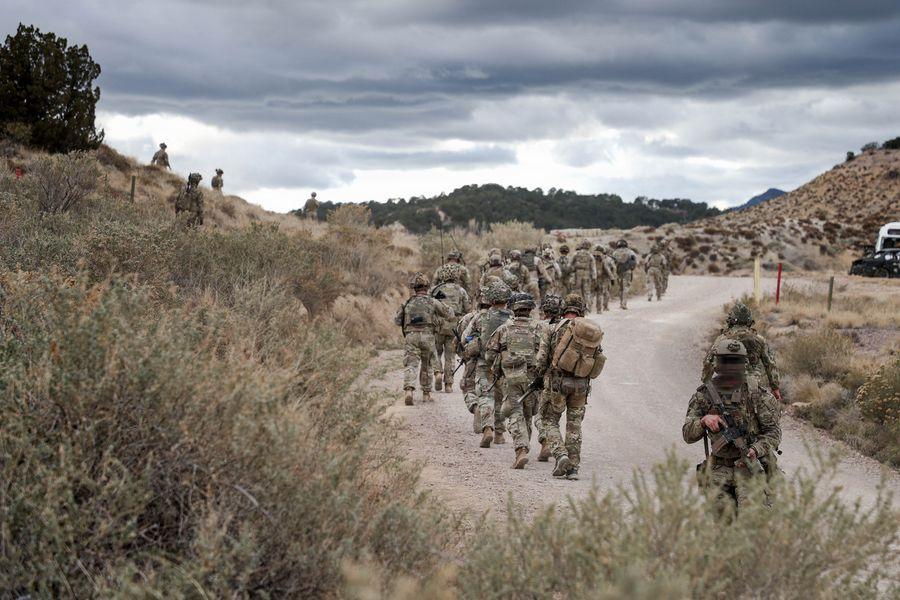
Stop Gutting the Conventional Army
In wars fought principally on land, the U.S. Army’s conventional forces – its maneuver brigades and divisions – are the primary agents of victory. They take and hold territory and play by far the most important roles in engaging and destroying enemy forces. Accordingly, the quality and numbers of their leaders are all-important in setting conditions for success in land wars. If so, why are the Army’s best leaders regularly siphoned off in huge numbers to other communities that cannot play decisive roles?
Here is a snapshot of the problem. In 2026 the Active Army fields 20 Special Forces (“Green Beret”) battalions with a total of 360 twelve-man “A” detachments, totaling 4,320 officers and noncommissioned officers. All are drawn from the conventional force. Stacked on top of these hundreds of “A” teams are officers and NCOs at the SF company, battalion and group levels, along with hundreds more in SF training organizations and higher headquarters such as the U.S. Army Special Operations Command (USASOC), 1st Special Forces Command and the US Army Special Warfare Center, SF’s training organization. Many others are assigned to the Joint Special Operations Command (JSOC) and U.S. Special Operations Command (USSOCOM). For decades, Special Forces Groups included three battalions, but during the Global War on Terror (GWOT) a fourth battalion was added to each group, along with a support battalion. All told, these high-quality leaders represent enough combat leaders to staff the combat units for three Army divisions.
U.S. Army Rehearses Rapid HIMARS Rocket Launcher Deployment
Supported by the U.S. Air Force’s 15th Wing, the dry-fire exercise highlighted how joint airlift can position ground-based firepower across the...
5d agoRead it on Global Defense NewsArmy Breaks 'New' Ground Connecting Weapons Systems for War
Pentagon breakthroughs in AI-enabled networking now slash sensor-to-shooter timelines from minutes to milliseconds, enabling tanks, drones, and...
5d agoRead it on Warrior MavenArmy Wants New Palletized Short-Range Air Defenses by the End of 2029
Army sees new short-range air defense 'sleds' providing critical new flexibility and capacity, especially against drone swarms....
5d agoRead it on The WarZone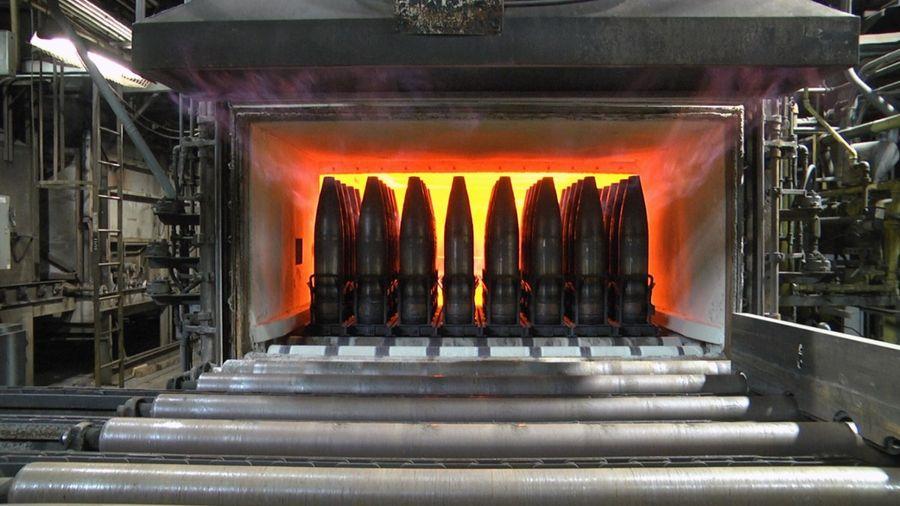
The Army Needs a Data Logistics Discipline Before the Next Surge
On October 12, Acting Army Secretary Adam Telle announced a “manufacturing rodeo” that will “strain” and “stress-test” the Army’s organic industrial base supply chain to “see where it breaks.” Days later, Army Materiel Command acknowledged it is still tracing suppliers to raw materials ahead of a January 2027 ban on adversary minerals. Yet it has no comparable map of the data dependencies its depots need to fix what breaks, a gap the Army will pay for the first time it has to surge.
The Army Needs a Data Logistics Discipline Before the Next Surge
The industrial base has grown brittle from a generation of optimizing for peacetime efficiency, and compute sized for peacetime reporting rebuilds...
6d agoRead it on RealClearDefense
Why Iran Cannot Simply Surrender
By Eric Garland • RealClearDefense
The Formation Left Us Behind
By Mark W. Castillon • RealClearDefense
Can Commanders Tell When Artificial Intelligence Is Wrong?
By Jonathan K. Corrado • RealClearDefense
The Summit as Mirror
By Stephen Blank • RealClearDefense
The False Choice That Could Get Us Killed
By Adam Strickland • RealClearDefense
Why Iran Cannot Simply Surrender
By Eric Garland • RealClearDefense
U.S. Navy Cuts Submarine Maintenance Delays by 40%
By Ethan Gossrow, Naval News
Air Force Bets on Hybrid-Electric Aircraft for Transport
By L.C. Williams, Defense One
Roosevelt Joins 2 Other Carriers in Mideast As Pressure on Iran Rises
By Stars & Stripes
Fight Now? Time to beef up III MEF
By Marine Corps Compass Points