
Maritime Strategy
RealClear Context
Click below to continue reading this story, discover more Maritime Strategy stories from over 25 years of RealClear archives, or follow this topic to stay in the know.
U.S. Deploys NMESIS Anti-ship Missile System to Northern Philippines
The arrival of the U.S. NMESIS mobile anti-ship missile system in Northern Luzon marks a strategic leap forward in the modernization and...
04/17/25Read it on Global Defense NewsNuclear Threats Are Going Underground
The US Military Isn’t Prepared for Them....
2h agoRead it on The National InterestEnd the Jones Act Waiver
Do we really want to turn over control of our nation’s domestic sea transportation of vital energy and agricultural products to foreign entities –...
1w agoRead it on RealClearDefenseA Contested Mediterranean: What Role for the U.S.?
As critical infrastructure becomes increasingly vulnerable to sabotage, freedom of navigation is undermined by conflict, and energy disputes generate...
1w agoRead it on Middle East Institute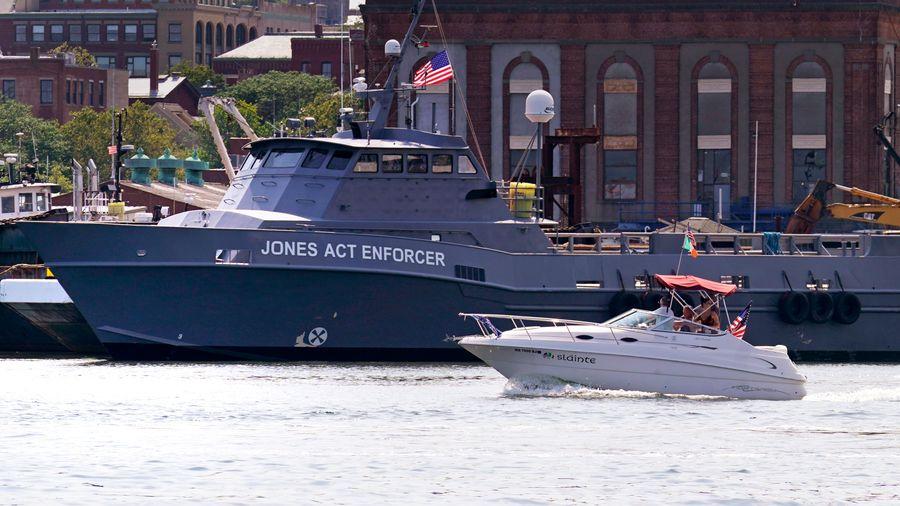
End the Jones Act Waiver
The Trump Administration has made rebuilding American maritime strength a national priority, and it is encouraging to see the progress being made thus far in new ship construction contracts and recently announced investments in new and modernized shipyards. All good, and long overdue.
But the administration is at the same time inflicting a serious wound on a vital part of our national maritime security by continuing to waive the Jones Act.
Nuclear Deterrence and the Significance of AI
Deterrence theories are essentially a composite of cognitive science and politico-military strategy. Artificial Intelligence (AI) elevates...
1w agoRead it on Global Security ReviewChinese Carrier Strike Group Drills in the Philippine Sea
The People's Liberation Army Navy Liaoning Carrier Strike Group was operating in the Philippine Sea as of Wednesday, according to a Japan Joint...
10/15/26Read it on USNI NewsThe Mother of All Cutters
Drawing a White-Hull Line in PACOM
10/15/26Read it on CIMSEC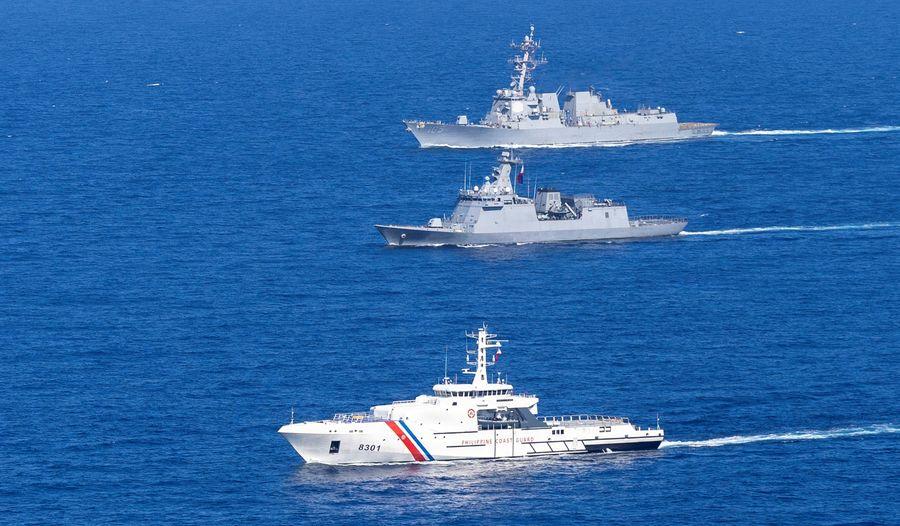
The U.S. Needs Its Own Grey-Zone Tactics in the South China Sea
Passive resistance to Beijing’s actions in the South China Sea is not working. If the United States wants to win in the region, it needs a grey-zone strategy of its own.
Beijing has spent a decade refining a playbook that stays deliberately below the threshold of armed conflict. Chinese coast guard ships ram Philippine vessels, maritime militia swarm disputed reefs, and drones shadow foreign ships. Washington’s response – patrols, joint statements and expressions of concern – has imposed few costs and changed little.
Philippine and Chinese Incidents Spike in South China Sea
Philippine and Chinese forces have dangerously engaged each other at least six times at several disputed areas
10/13/26Read it on USNI NewsThe U.S. Needs Its Own Grey-Zone Tactics in the South China Sea
Passive resistance to Beijing's actions in the South China Sea is not working. If the United States wants to win in the region, it needs a...
10/13/26Read it on The Strategist (ASPI)
A Sweet American Original
By Greg Maresca • RealClearDefense
South Korea's OPCON Debate Is a Test of Alliance Readiness
By Daewon Cho • RealClearDefense
When Does Peacetime Access Become Wartime Capability?
By Alp Cenk Arslan • RealClearDefense
The Missing Seats at the Table
By Dennis T. Cosgrove • RealClearDefense
We Exported Our Arsenal Manufacturing, Now We Must Rebuild It.
By Justin Fulcher • RealClearDefense

Sign of the Times: CCAs Dominate a Major Fighter Conference
By Bill Sweetman • The Strategist (ASPI)
Marines Want Naval Strike Missiles With Double The Range
By The WarZone
U.S. Navy Targets 79 New Cutter-Based FF(X) Frigates
By A. Servaes, Global Defense
The Hegseth Grenade: A Sea Change at Newport
By Robert C. Rubel, CIMSECSign of the Times: CCAs Dominate a Major Fighter Conference
By B. Sweetman, ASPI