
The Mangled Afghanistan Withdrawal Strengthens Putin
Last updated 11:34 PM EDT • Read time: 5m
The mayhem following the Biden administration’s withdrawal from Afghanistan is not only increasing the likelihood of confrontation with China over Taiwan — but it is also having repercussions for regional stability in Eastern Europe.
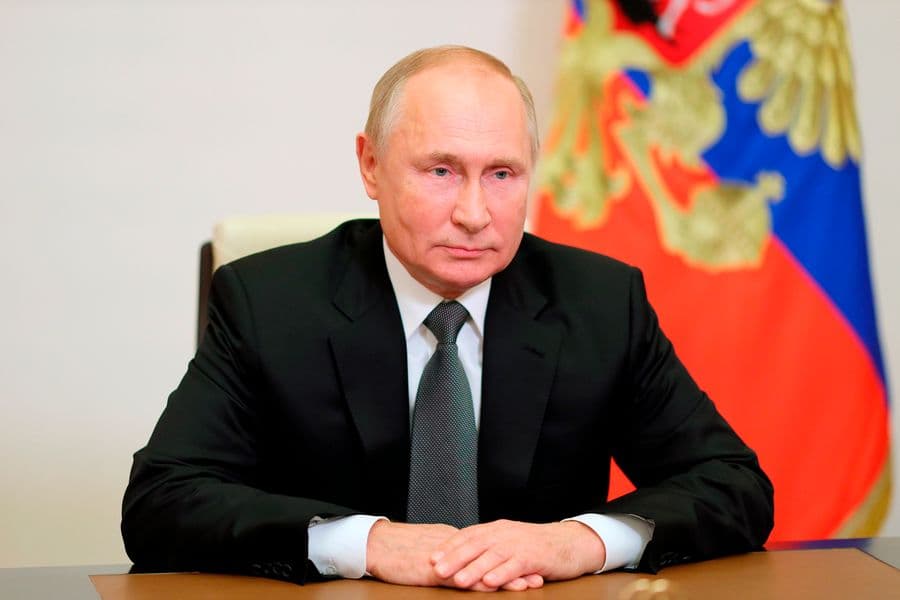
A central tenet of Russian President Vladimir Putin’s political narrative is defending Russia from an interventionist U.S. foreign policy. Russian state media promotes the view that America’s democracy promotion is synonymous with toppling regimes and inciting anarchy. Libya, a failed state thanks to the poor policy choices of the Obama administration and European allies, is one of Putin’s favorite examples to reference. The Afghanistan debacle has further added credence to Moscow’s claims of Western hypocrisy and failed U.S. democratic state-building.
At the beginning of September, on the first day of school in Russia, Putin lectured to students about the lessons to be learned from the U.S. excursion. Railing against the attempt to “[impose] their own norms and standards of life,” he explained that the entire episode has “spelled nothing but tragedies, casualties and losses for the United States.” Multiple state-owned news outlets broadcast the video of the speech, ensuring all Russian citizens could listen.
According to Moscow, the U.S. led liberal democratic order simply seeks to roil internal tensions where it can seize political advantage from the chaos. The prevailing strategic calculus in the Kremlin is that the West seeks to encircle and infiltrate Russia, rendering it strategically inert, and facilitate regime change in the country.
Putin has long feared that the U.S. seeks to incite a "color revolution" in Russia, as it claims was the case in Kyiv. Domestic opposition is often cited in Moscow as having ties to Washington. Afghanistan is now a clear case for the Kremlin to expound on the disastrous consequences of Western policy and warn against popular support for candidates running against his political machine.
Failed interventions in Afghanistan, Iraq, Libya, and other countries have all decreased U.S. strategic clout. The United States needs a strong military deterrent in order to defend its allies from extra-territorial aggression and geopolitical revisionism; however, democracy promotion based on ideological crusading has resoundingly failed. That is why the Doha Agreement reached under the Trump administration was such an important step in redefining the scope of U.S. international engagement. Avoiding the continued loss of blood and treasure in Afghanistan was a necessary decision, and a new strategic approach predicated on defending allies and securing limited national interests would have projected a strong but rational U.S. foreign policy. The abysmal tactical and operational execution of withdrawal by the Biden administration has largely negated this fact.
Instead, the image projected is that of a declining power that can’t even safely evacuate its own personnel after having 20 years to do so. The inept U.S. administration and poor military leadership also reflect a decreased capability to defend Washington’s allies. This weakens the strategic position of the United States in Eastern Europe and increases the likelihood of heightened tensions in the region.
The fact is that U.S. President Joe Biden's short tenure has done more to justify Putin’s consolidation of power in Moscow and increase the risk of a military confrontation in Eastern Europe than the entire four years of the previous administration — ironic, given the media’s tireless pursuit of depicting Trump as “Putin’s puppet.”
And it goes much deeper than simply the decidedly tactless style of Biden (see: calling Putin a “killer” who “has no soul”). Conspiracy theories propagated by U.S. and Western media around the 2016 U.S. election have also helped justify the Russian president’s claims of a Russophobic United States inherently hostile to the nation. In a recent ABC interview with Christopher Steele, the latter doubles down on his discredited dossier on Donald Trump — one of the original premises for the religious levels of faith that the U.S. media had in the belief of a Kremlin-controlled White House. As to Steele’s failure to unearth proof of collusion and the ensuing 14-month taxpayer-funded investigation stemming directly from his bogus dossier? Well, that was because of Russian disinformation too. Putin cannot but welcome the Western media handing him another joke to laugh about with his domestic audience.
The blame for this environment does not fall squarely on the shoulders of President Biden. The politician of 48 years is simply the latest iteration of U.S. establishment presidents beholden to the elitist foreign policy blob (i.e., sclerotic bureaucracy in charge of charting the nation's international course). The latter believes itself the rightful locus of decision-making due to its “expertise.” When one looks at the litany of failed excursions and decreased international clout since the end of the Cold War, the intellectual bankruptcy of the foreign policy establishment and their direct-enablers in the U.S. media become evident.
Dominick Sansone is a freelance writer focusing on U.S. foreign policy and culture. Dominick has been published at The American Conservative, The National Interest, and the Euromaidan Press, among other outlets. Previously completing a Fulbright grant in Bulgaria, he writes on Russian geopolitics in the wider region of Eurasia.

Trump's Disrupt First, Negotiate Second: Greenland in Focus
By Meda Parameswara Reddy • RealClearDefense
In Seeking Peace With Beijing, Taipei Is an Asset, Not a Burden
By Alexandru Filip • RealClearDefense
Strike First: Israel's Inevitable Doctrine for the Iranian Axis
By Lance Gordon • RealClearDefense
It’s Not President Trump but Thomas Friedman Who Should Be Ashamed
By Francis P. Sempa • RealClearDefense
Putin, Plague, and America’s Biodefense Gap
By Ryan Kane • RealClearDefense
U.S. and Japan Begin Naval Exercises Near Taiwan
By Mari Yamaguchi • Associated PressU.S. and Japan Begin Naval Exercises Near Taiwan
By Mari Yamaguchi, AP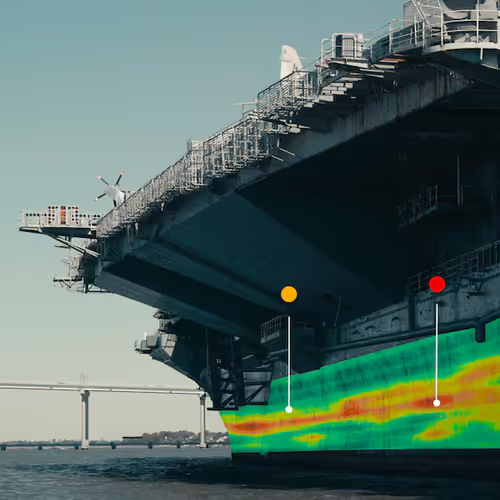
U.S. Navy, Gecko Robotics Surge AI Maintenance Contract
By Ceder, Simkins, Navy T.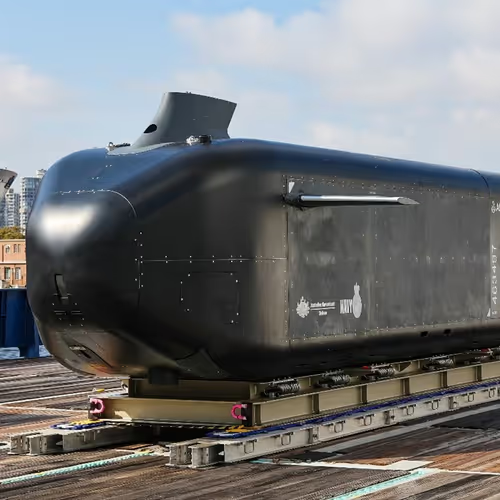
Ghost Shark XL-AUV Payload Bay Seen For First Time
By Thomas Newdick, The WarZone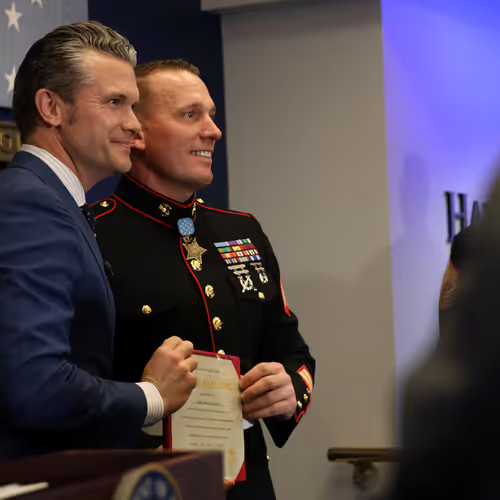
Dakota Meyer Tapped As Barracks Task Force Senior Advisor
By C. Stassis, MC Times