
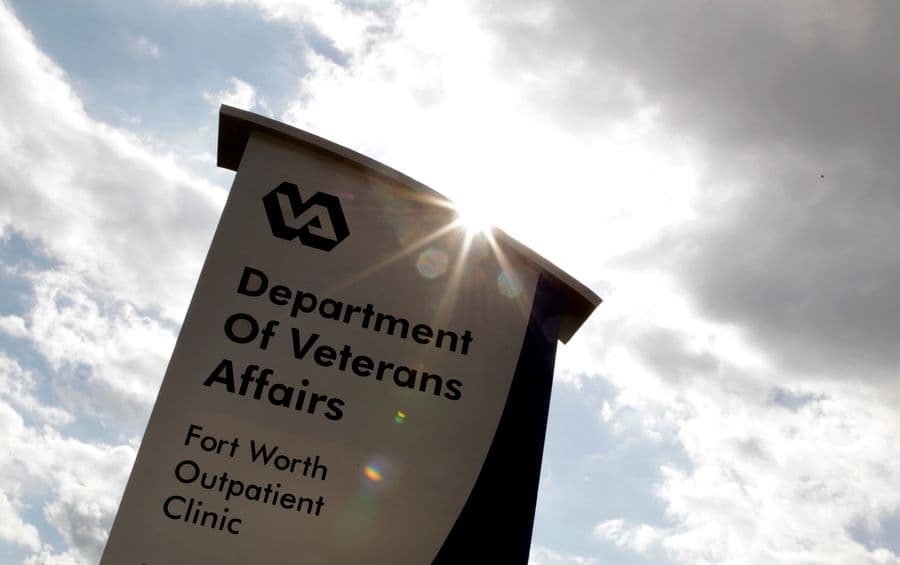
Post Traumatic Growth: The Other Side of Trauma
Last updated 11:26 PM EST • Read time: 4m
Post Traumatic Growth isn’t a common phrase, or a medical diagnosis. It is a relatively new concept spreading throughout the military and veteran communities as an alternative outcome to Post Traumatic Stress (PTS). Treatment for PTS – across a diverse population such as the veteran community – has remained elusive despite millions spent and decades of research. PTS is one of the leading causes of the veteran suicide epidemic, which claims 17 lives a day – double the rate of the civilian population.
The Department of Veterans Affairs – and our government as a whole – continues to invest in new programs, research, and innovative treatments, including groundbreaking studies on psychedelics. But perhaps the most powerful answers don’t come from institutions alone. Maybe the real solutions live closer to home — in our hometowns, in our communities, and within each other. What if healing doesn’t end with merely surviving trauma, but begins with growing from it? What if Post-Traumatic Growth is not just possible, but is already happening?
Post-Traumatic Growth occurs when someone who has endured trauma is able – through treatment such as Cognitive Behavioral Therapy (CBT), Eye Movement Desensitization and Reprocessing (EMDR), or medication – to process their experience and channel it into meaningful personal transformation, emerging with a renewed sense of purpose and strength.
A large part of that transformation lies in our communities, with our neighbors, with our friends. It is reconnecting human to human, not through a post on social media, but in sitting next to someone, knee to knee, shoulder to shoulder. And listening.
That shared humanity is the foundation of Post-Traumatic Growth. It’s what reminds our veterans that they are home – that they are safe, seen, and valued. It’s the strength of a community that looks out for one another, that takes a moment to stop by, to say hello, to genuinely ask, “How are you?” These simple acts of kindness and connection can become lifelines – proof that healing begins not in isolation, but in the embrace of those who care.
During World War II and Vietnam, most knew someone who was serving or had served. But today’s all-volunteer force comes with a price – the ties that bind our military to the civilian populace are severed. We need to rebuild those bonds.
Consider the journey of today’s veterans. When they join the military, they leave behind the familiarity of civilian life and build deep bonds with their fellow service members – a new family forged through shared purpose and sacrifice. When their service ends, they’re suddenly separated from that world and expected to reintegrate into civilian life once again. This series of abrupt transitions – compounded by multiple deployments, long separations from loved ones, and in some cases, the potential harsh realities of war – can all take a profound emotional toll, often leading to post-traumatic stress.
So where do we fit in – those of us who haven’t worn the uniform? How can we help change the story? How do we take the numbers we see in headlines and turn them into something human – something hopeful and impactful?
What I learned traveling across the country, speaking with our veterans and their families, our Gold Star family members, our hard-working men and women at the VA, is that we must reconnect with our veteran community. To do that, we have to be there on the frontlines of our communities with them. With our family members, friends, coaches, religious leaders, teachers, and community leaders. To be there to extend a hand, to show them that trauma is transient. That the other side of PTS can be hope and… growth.
As time distances us from our last conflict and public memory begins to fade, many still live beneath the lingering fog of war. They may have returned to American soil, but they have not yet truly come home. They cannot come home until we, as a nation, recognize our shared responsibility to care for those who have borne the battle – both the visible and invisible wounds of war.
It is a testament to the hundreds of military and veteran service organizations who have already recognized that the hard work of healing takes place not in the hall of Congress, but in American hometowns such as Indianapolis, Kansas City, and San Antonio.
That is where Post Traumatic Growth will take hold and blossom. And it is up to each of us to our part.
Steven Grayhm is the writer, director, and star of SHEEPDOG and founder of Team House Studios, a film production company that hires and trains veterans in front of and behind the camera. SHEEPDOG, a movie about one veteran’s journey to Post Traumatic Growth, will be in theaters nationwide in January.
Is It Déjà vu All Over Again: The 2012 Report on Global Zero
By Peter Huessy • RealClearDefense
As Private Investment Pours Into Defense, the Clock Is Ticking
By Elaine McCusker • RealClearDefense
The First Test of Peace Lies in Ukraine's Borderlands
By Dennis T. Cosgrove • RealClearDefense
The VFW’s Gambling Addiction Victimizes Veterans
By Jack Yoest • RealClearDefense
Superintelligence Exposes a Gap in the Law of Delegated Authority
By Sue Ghosh Stricklett • RealClearDefense
When Your Navy is too Small, the Bill Comes Due Bigly
By CDR Salamander
Quo Vadis MCU?
By Marine Corps Compass Points
When the Network Goes Dark, Who Controls the Battlefield?
By Jonathan K. Corrado • RealClearDefense
Air Force Should Buy 250 Blended-Wing Tankers, as 2027 Demo Looms
By A&SF Mag.
Long Deployments to Be Navy Standard For Next Couple Years
By Mongilio, USNI News