
Under Attack at Home
Published Dec. 2, 2025 • Read time: 6m
Too Many Military Families Are Sickened by Base Housing
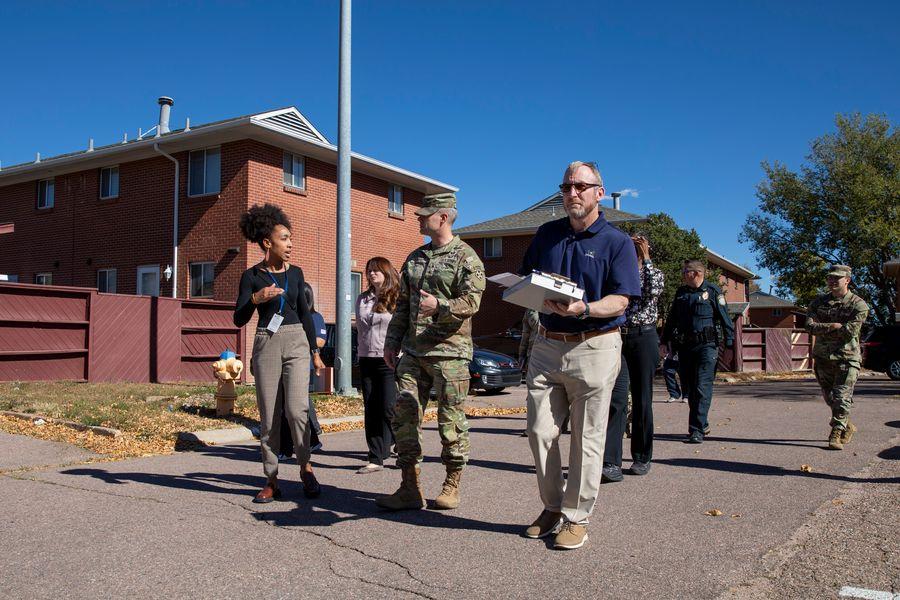
Some meetings can profoundly change your life. Not long ago, I met with a passionate military Mom from Alabama whose family experienced devastating consequences from living in a water-damaged home in base housing. The conversation left me speechless. For 22 years, Erica Thompson’s family has lived an honorable life of service, moving when the military told them to move, settling into homes they didn’t get to choose, and trusting that the place they laid their heads each night was safe. That trust was broken after their experience.
Like thousands of other military families, Erica’s family learned the hard way that the biggest threat to their health and well-being wasn’t across an ocean or a threat from a foreign enemy. It was inside their own home.
The nonprofit Change the Air Foundation recently released an independently administered national survey and a 10-minute documentary, The Hidden Enemy, that puts data and real stories behind what too many in Washington continue to overlook: Military housing is still failing our families, harming their health, and threatening national security. The survey findings echo the experiences of Erica’s family and so many others stationed across the country.
The survey, Unsafe and Unheard: Military Service Members and Their Families Sound Off on Dangerous Living Conditions, collected responses from more than 3,400 service members and families at 57 military installations. The results are shocking. Ninety-seven percent of families reported at least one serious housing problem. Mold, mildew, water damage, pest infestations, water contamination, and broken HVAC systems are some of the various housing issues that many military families reported experiencing. Alarmingly, half of all their requests for help go unresolved.
In Erica’s case, she watched her five children develop serious health issues like rashes, headaches, asthma, and GI issues that no doctor could explain. That was until one finally traced the problems back to mold and water damage inside their walls, ceilings, window casing, and HVAC system. They would try to clean it, but then it would return. The housing company insisted the problem was fixed, but her family’s various health symptoms told another story.
The Thompson family’s experience is alarmingly common. Seventy-six percent of families surveyed said their health had been harmed by housing conditions, and nearly half said their medical providers confirmed the connection. Brain fog, migraines, fatigue, respiratory problems, even seizures and long-term diagnoses, are being reported by military families across the country. Military children are suffering most of all: rashes, eczema, asthma, chronic infections to name a few. How is this acceptable for the sons and daughters of the people sworn to protect this nation?
These housing issues aren’t cosmetic problems. They completely disrupt lives, kid’s schooling, finances, and a warfighter’s ability to adequately perform their duties - in fact, forty seven percent of active duty members reported this in the recent survey. They drive families to emergency rooms and, in many cases, push service members out of the military altogether. When you’re up all night with a sick child because your home is making them ill, you cannot perform your best at work. When families feel like they’re having to choose between their health and their service, it degrades mission readiness.
Yet when military families report these problems, the system designed to help them seems to fall apart. According to the survey, 94 percent of families did everything they were supposed to do by notifying the proper authorities, submitting photos, and begging for inspections or remediation. But only seven percent made it all the way through the military’s so-called “3-Step Process.” Most of the time, families must report the same problem repeatedly before anyone responds. Even then, the housing companies often mark work orders as “resolved” without having made satisfactory repairs. Astonishingly, fifty-three percent of reported issues never got resolved at all.
Some families are offered to sign non-disclosure agreements (NDA) just to secure basic habitability repairs or temporary relocation, a stunning practice that would be unthinkable in civilian residential housing. Yet military families, because of federal enclave law, lack many of the protections civilian renters are afforded. And far too many of these families live with a fear of retaliation for speaking up. In fact, the survey found that more than a quarter of families feared retaliation; 10 percent experienced it. But it’s not the fault of the commanders on the ground. The dispute resolution process for housing issues at local installations rarely works well, if at all.
The Hidden Enemy captures the human cost better than statistics ever could. Families from across the country share stories of medical bills, destroyed belongings, sick children, and battles with housing companies fighting for a safe and habitable living space. For years, these stories were dismissed as isolated incidents. Now, the data shows the opposite: This is a systemic crisis. And it’s been worsening since the military got out of the real estate and housing business in 1996 and let private corporations take over with little effective Congressional oversight and accountability.
A third generation of military families is now paying a terrible price for the lack of oversight, transparency and accountability of military housing that came with the Military Housing Privatization Initiative (MHPI). To date, the Congressional Research Service estimates that more than $28 billion in Defense Department funds have gone to MHPI contractors. Yet, for at least a decade, those in Washington have documented widespread failures across the MHPI program.
Our military families have had enough. Earlier this year, Change the Air Foundation and volunteers met with more than 60 congressional offices. Lawmakers asked for evidence with independent data that went beyond anecdote. Military families delivered it. Now it’s time for Congress, the Pentagon, and private housing companies to finally solve these urgent problems.
Some of the solutions to begin tackling this are not complicated: for starters, adopt and enforce real mold remediation standards such as the ANSI/IICRC S520; ban NDAs that silence families; create legal protections so military tenants have the same rights as civilian renters; adopt a uniform definition for Life, Health and Safety (LHS) hazards as defined in the FY 2020 NDAA; require independent inspections and documented oversight so the housing system is being assessed by data, facts and successful outcomes. Most importantly, treat military families as partners and allies, not problem makers. Our warfighters and their families are the backbone of our nation’s mission readiness and national security. Their health, their stability, and the health of their homes matter.
It’s time to finally fix our nation’s ongoing military housing crisis. The evidence is in. Families like Erica’s and too many others are speaking out. And, this time, they will not go unheard.
Brandon Chappo is a Cofounder and Director of Public Policy for Change the Air Foundation.

Iran’s Nuclear and Chemical Weapons Threat
By Ben Ollerenshaw • RealClearDefense
Europe’s Rearmament Paradox
By Daniel Darling • RealClearDefense
Pentagon’s Pursuit of Faster Acquisition
By Ben Harris • RealClearDefense
The Army’s AI Cyber Defenders Need a Proven Stand-Down Order
By Gleb Tsipursky • RealClearDefense
After the Silence
By Chase Skylar DeMayo • RealClearDefense

The First Surface Drone-v-Drone Fight
By CDR Salamander, CDR Salamander
Air Force Strengthens F-22 Raptor Combat Readiness in the Pacific
By Global DefenseAfter the Silence
By Chase Skylar DeMayo • RealClearDefense
Underwater Arms Race Puts U.S. Naval Supremacy at Risk
By Tom O'Connor, Newsweek
New Facilities To Pump Out Upgraded F/A-18E/F Super Hornets
By Trevithick, WarZone