
Critical Infrastructure
RealClear Context
Click below to continue reading this story, discover more Critical Infrastructure stories from over 25 years of RealClear archives, or follow this topic to stay in the know.
America Needs a Joseph Directive
A national food and water reserve is the missing piece of America’s EMP defense...
1h agoRead it on RealClearDefenseICE Is Not a Four-Letter Word
ICE has only three letters, yet a good part of American political life now treats it as a four-letter word, the old English-language shorthand for a...
1h agoRead it on RealClearDefense
ICE Is Not a Four-Letter Word
ICE has only three letters, yet a good part of American political life now treats it as a four-letter word, the old English-language shorthand for a curse word. Before deciding whether the contempt is earned, it is worth doing something few critics bother to do: read the name out loud.
Immigration and Customs Enforcement. Every one of those words describes a job that any sovereign country assigns to someone. Congress writes immigration law. Congress writes customs law. A law that nobody enforces is a suggestion, and the agency Congress created in 2003 to enforce both carries that name for a reason.
America Needs a Joseph Directive
The war with Iran looms over the midterm elections. Nearly three in four Americans are very concerned about fuel prices, and two in three now disapprove of the war. Explanations on offer run from grand geopolitics to conspiracy theories that Israel dragged America into it. Americans deserve a plain answer to why we are fighting. There is a practical step President Trump can announce now that explains all and creates an opportunity for a major policy upgrade for the American homeland.
The Leader FEMA Couldn’t Keep
A former senior FEMA official who worked alongside him agrees: “This is the exact work that we have done when we arrived at FEMA, which is the...
6d agoRead it on Washington Examiner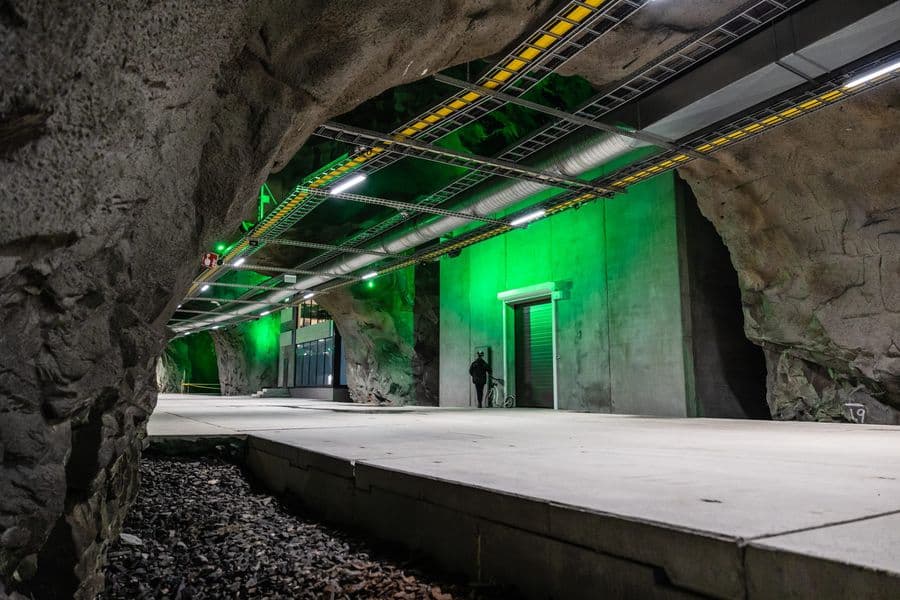
The Underground Cloud
The cloud sounds weightless. Yet artificial intelligence models, government records, financial transactions and communications rely on physical machines housed in identifiable places. The cloud has an address, and that address can be attacked.
The Underground Cloud
... if some data centers are becoming critical national infrastructure, should we be doing more to protect the centers themselves?...
1w agoRead it on RealClearDefenseWho Shoots Down the Drone Over the Shipyard?
... defending critical infrastructure requires legal authorities that only Congress can provide.
2w agoRead it on RealClearDefense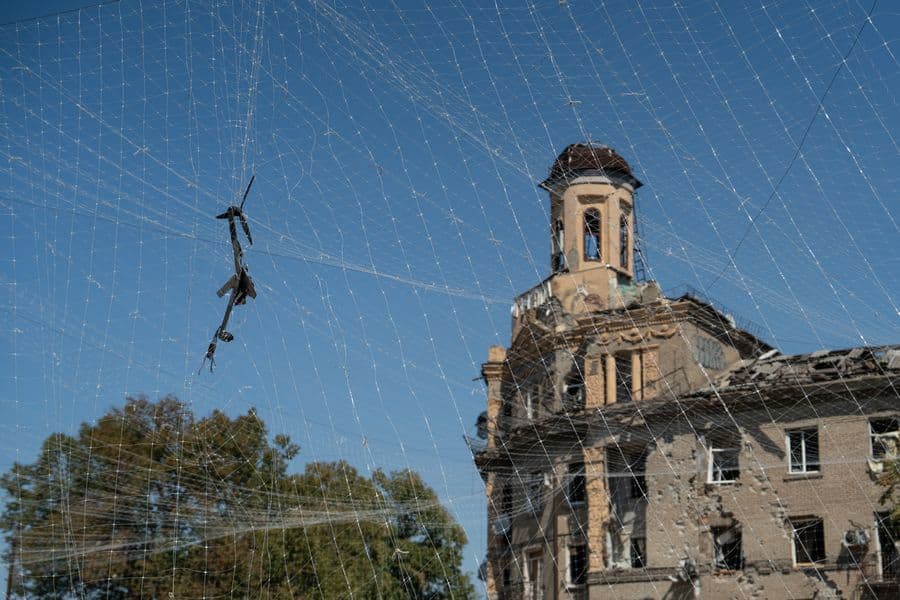
Companies Are Forbidden to Stop Drones
On the morning of October 12, 2000, a small boat masquerading as a garbage barge in the harbor at Aden, Yemen, came alongside the USS Cole, the destroyer I commanded. In a split second, two al Qaeda suicide bombers detonated an improvised explosive device against the hull of our ship, killing 17 of my sailors.
For years afterward, I was asked what I had done to prevent that attack. I had submitted a force protection plan for that port and my chain of command approved it. What failed was the intelligence that would have told me what was coming. I never had a chance.
Refrigerators: The Next Battle Frontier?
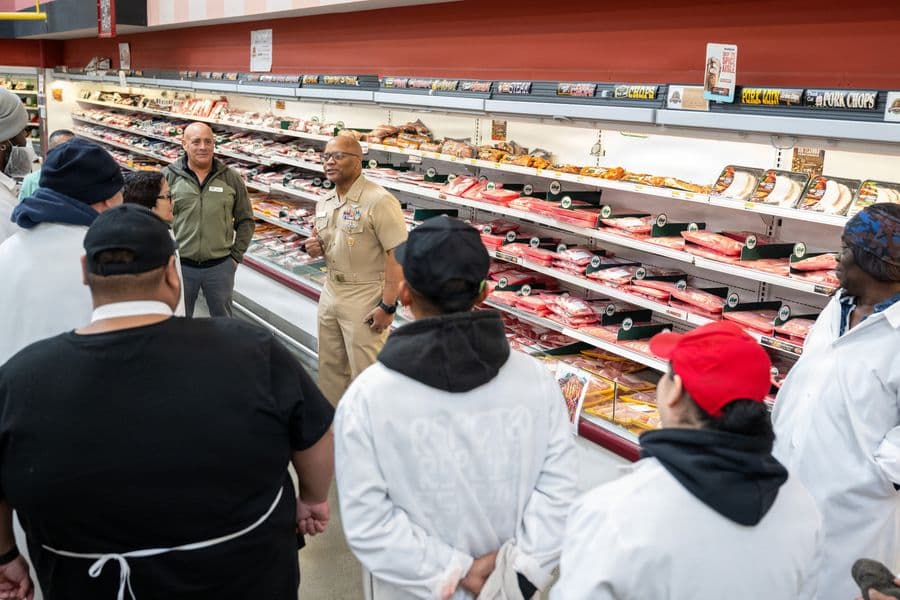
Refrigerators are probably the last thing anyone would consider a national security vulnerability, which is precisely why the unusual refrigeration failures at U.S. military commissaries deserve more attention than they are getting. There is no public evidence that the incidents were caused by a cyberattack or a foreign adversary, and they may ultimately prove to be nothing more than equipment, software, or maintenance failures. But when refrigeration systems at multiple military installations experience problems within a relatively short period and at Fort Huachuca all of the commissary's freezers reportedly went into defrost mode overnight, leaders at the Pentagon should be asking a larger question: If a sophisticated adversary wanted to test its ability to disrupt the infrastructure supporting America's military without firing a shot, is this what it might look like?
That question matters because China and other U.S. adversaries are no longer thinking about cyber warfare simply as stealing secrets or attacking classified networks. They are looking for ways to penetrate the infrastructure America depends upon and, when necessary, create disruption, confusion, and delay. It echoes the familiar warnings of a certain rail conductor from a beloved children’s television show about a talking train. U.S. intelligence and cybersecurity agencies have already warned that Chinese state-sponsored actors have gained access to American critical infrastructure and, in some cases, appear to be positioning themselves for potential disruption during a future conflict. A coordinated attack against something as ordinary as refrigeration would therefore not have to cause catastrophic damage to be successful. The objective could be much simpler: get inside, disrupt operations, complicate the response, and watch how America responds.

ICE Is Not a Four-Letter Word
By Meda Parameswara Reddy • RealClearDefense
The U.S. Can Draw Down in the Middle East Without Going Blind
By Cudi Zerey • RealClearDefense
America Needs a Joseph Directive
By Jeff Ballabon • RealClearDefense
Partnering Decides Whether Flexible Military Construction Can Work
By Matt Russell • RealClearDefense
Eight Months of Epic Fury and Still No Internal Alternative
By Stephen D. Cook • RealClearDefense

GE Aerospace to Supply Engines for Two US Navy Flight III Destroyers
By Defense Post
U.S. Air Force Asks Industry for New Cruise Missile for Ukraine
By Michael Peck, DNews
First Flight II San Antonio-class Amphib Completes Builder’s Trials
By Mongilio, USNI N.
LGM-35 Sentinel ICBM on Track for 2030
By Kris Osborn, Warrior Maven
On American Destroyers, Avoid a Self-Inflicted Wound in Spain
By Defense News