
Indo-Pacific/Asia
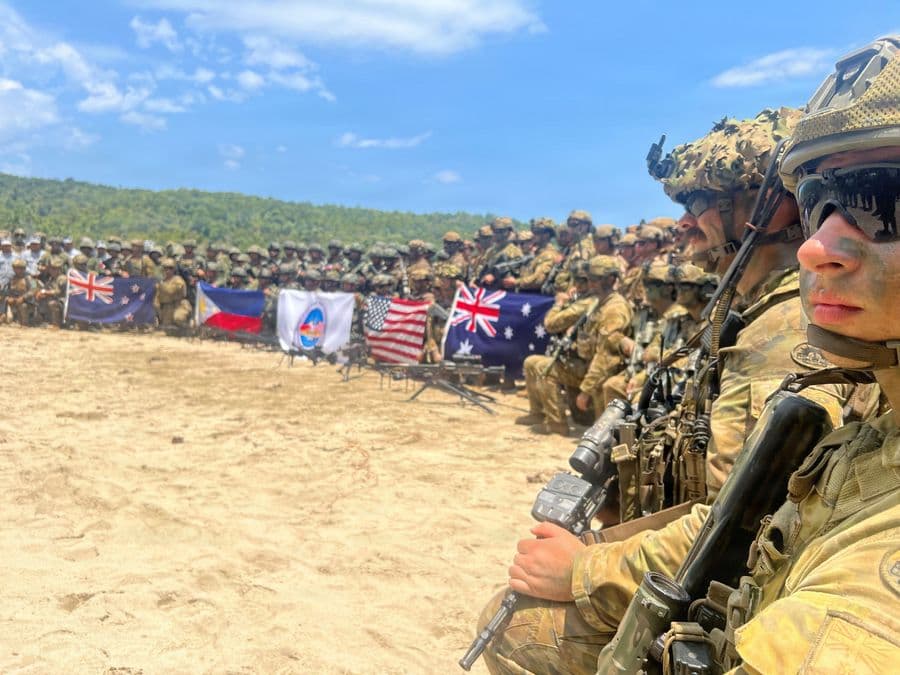
Preventing the Next World War
It’s clear from the increasingly bellicose actions of the People’s Republic of China that the PRC seeks to return to its self-appointed role as the “Middle Kingdom” at the center of the world. To do this it must supplant the United States, both economically and militarily, by becoming the preeminent power on the world stage—at which point it will be able to rewrite the rules of the existing world order established by America after World War II.
Preventing the Next World War
To Prevent the Next World War, the United Stats Must Secure and Defend America's Interests in the Pacific from Chinese Aggression
8h agoRead it on RealClearDefense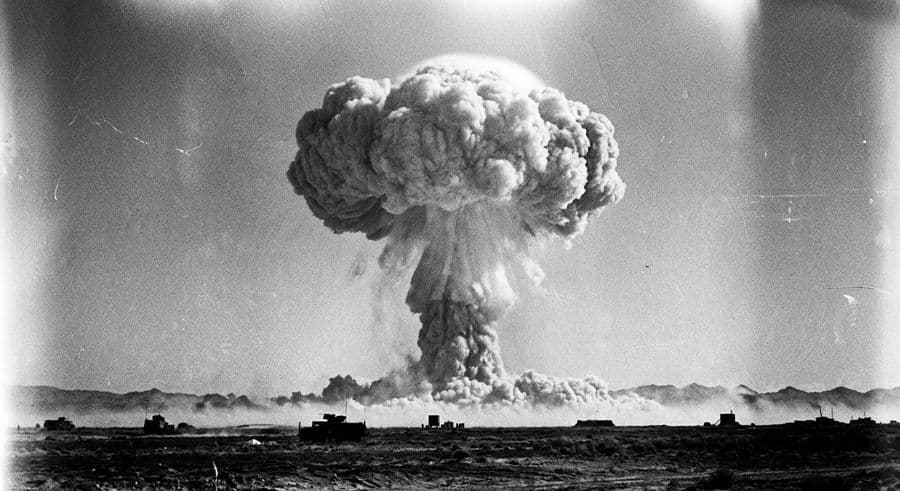
Why Taiwan May Need To Reconsider the Ultimate Deterrent
For decades, Taipei’s security has leaned on three pillars: its relationship with the United States, the Taiwanese armed forces, and the island’s renowned ‘silicon shield.’ However, as the global order shifts, the reliability of these safeguards is becoming increasingly uncertain. Decades after Taiwan ended its clandestine nuclear weapons program in 1988, the changing geopolitical environment raises questions on whether Taipei should reconsider nuclear deterrence.
The growing uncertainty surrounding U.S.-Taiwan relations is a clear warning sign for Taipei. Unlike South Korea and Japan, Taiwan lacks a formalized military alliance with Washington. Instead, U.S. policy toward Taiwan has traditionally rested on the Taiwan Relations Act of 1979 and a policy of strategic ambiguity. For Taipei this policy has been a double-edged sword, on the one hand serving as a potent deterrent by forcing China to weigh the high risk of a U.S. kinetic intervention without knowing the exact threshold or scale of that response, but simultaneously creating uncertainty for Taiwan’s strategic planning.
Why Taiwan May Need To Reconsider the Ultimate Deterrent
The growing uncertainty surrounding U.S.-Taiwan relations is a clear warning sign for Taipei.
3d agoRead it on RealClearDefense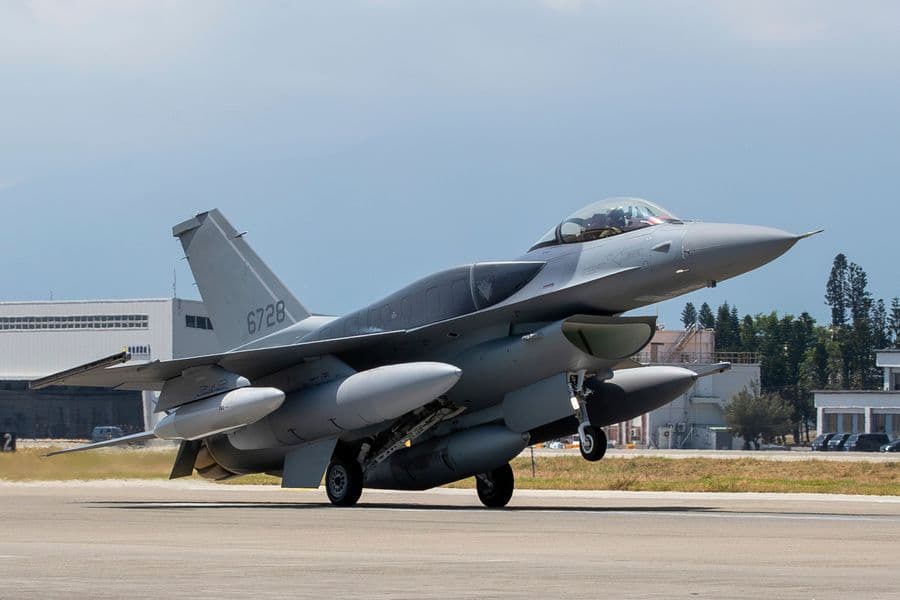
Deterrence on Best Efforts: When Taiwan's Arms Come Without a Guaranteed Delivery Date
Taiwan’s arms contracts treat delivery dates as estimates, and Congress should require Washington to account for the major slips.
At a defense forum in Taipei in September, Anduril founder Palmer Luckey said that the hold on a $14 billion Taiwan arms package is “definitely affecting the business,” and that “as long as that’s stuck, you don’t have continued forward progress in other areas.” He had raised it, he said, with the President. That is a hold before any sale. A different problem starts after Taiwan signs a sale agreement and waits for delivery. The standard terms in those agreements do not, as a rule, guarantee a delivery date, and if a date slips, any dispute over it goes to consultation between the two governments.
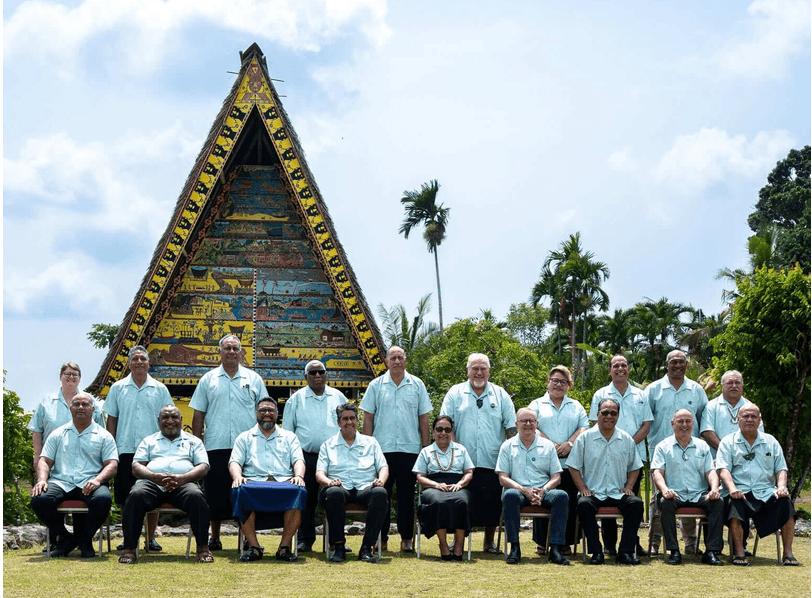
Australia's Security Race in the South Pacific
Waging a “permanent contest” with China in the South Pacific, Australia is building new alliances and a new security system. Treaties signed with Island states are driven by fear and shock in Canberra, yet also by a sense of responsibility — plus a determination to be the top regional power.
Prone to amnesia about its permanent Pacific interests, Australia has been given a jolting reminder by the permanent contest with China. The headline phrase was coined by foreign minister Penny Wong in a 2024 interview: “We’re in a state of permanent contest in the Pacific — that’s the reality.”
Australia's Security Race in the South Pacific
Waging a "permanent contest" with China in the South Pacific, Australia is building new alliances and a new security system
1w agoRead it on Strategic Analysis AustraliaExamining Think Tank Proposal That U.S. Cut and Run in Asia-Pacific
Shifting U.S. military focus to the Second Island Chain would undercut the entire basis for protecting US national interests
2w agoRead it on Asia Times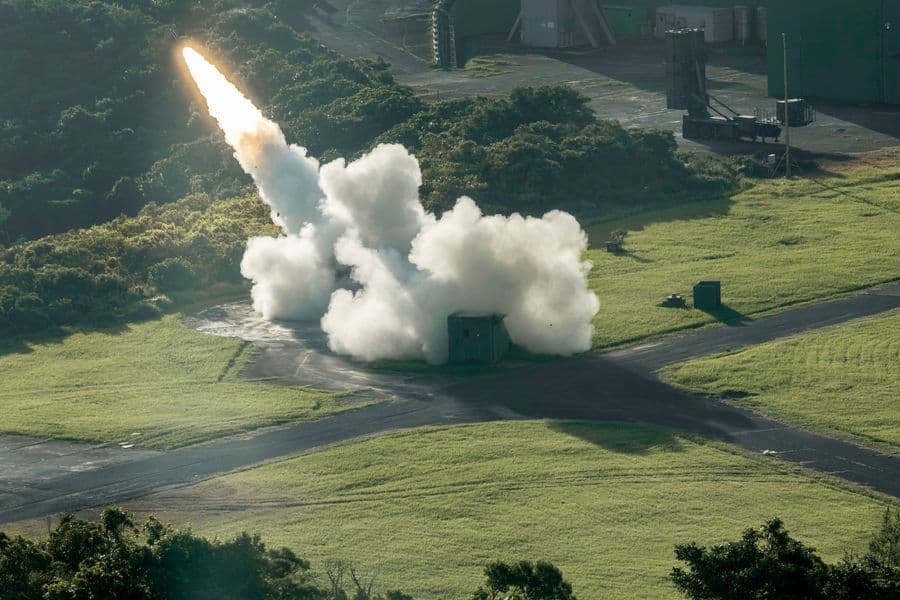
What Happens After Deterrence Over Taiwan Fails?
Hong-Yu Harper Chen is right to warn against turning Taiwan’s military preparedness into an ever-moving test of whether the island deserves American support. Washington has good reasons to press Taipei to spend more, reform its reserves, strengthen civil defense, and invest in capabilities suited to surviving a Chinese attack. But as Chen argues in her recent RealClearDefense essay, “The Taiwan Readiness Trap”, pressure intended to strengthen Taiwan can weaken deterrence if Beijing begins to believe that American support is conditional on Taipei first demonstrating some undefined level of readiness.
There is, however, a second problem lurking behind the readiness debate. It begins where most discussions of deterrence end.

The Revolutionary War: When Strategic Options Share the Same Weakness
By Henry Yep • RealClearDefense
The Houthis Are Testing the Limits of Collective Defense
By Saima Afzal • RealClearDefense
Radio Frequencies in the Intelligence Ecosystem
By Craig Brower • RealClearDefense
An Acquisitions Process Built for Today's Contested Spectrum Battlefield
By John Malsbury • RealClearDefense
Who Shoots Down the Drone Over the Shipyard?
By John Ferrari & Dillon Prochnicki • RealClearDefense
Who Shoots Down the Drone Over the Shipyard?
By John Ferrari & Dillon Prochnicki • RealClearDefense
Northrop Grumman Breaks Out the Big Guns at AUSA
By Daniel Terrill, Defense News
Army Pursuing Diverse Array of New Anti-Air Interceptors
By Trevithick, The WarZoneWho Shoots Down the Drone Over the Shipyard?
By John Ferrari & Dillon Prochnicki, RCD
F-35C Lands for the First Time on a Ford-Class Aircraft Carrier
By The Aviationist