
Indo-Pacific/Asia
RealClear Context
Click below to continue reading this story, discover more Indo-Pacific/Asia stories from over 25 years of RealClear archives, or follow this topic to stay in the know.
U.S. ATACMS Ballistic Missiles Deploying 16km From China
Reports from multiple sources in Taipei indicate that the Republic of China Army is planning to deploy M142 HIMARS rocket artillery systems...
02/05/26Read it on Military Watch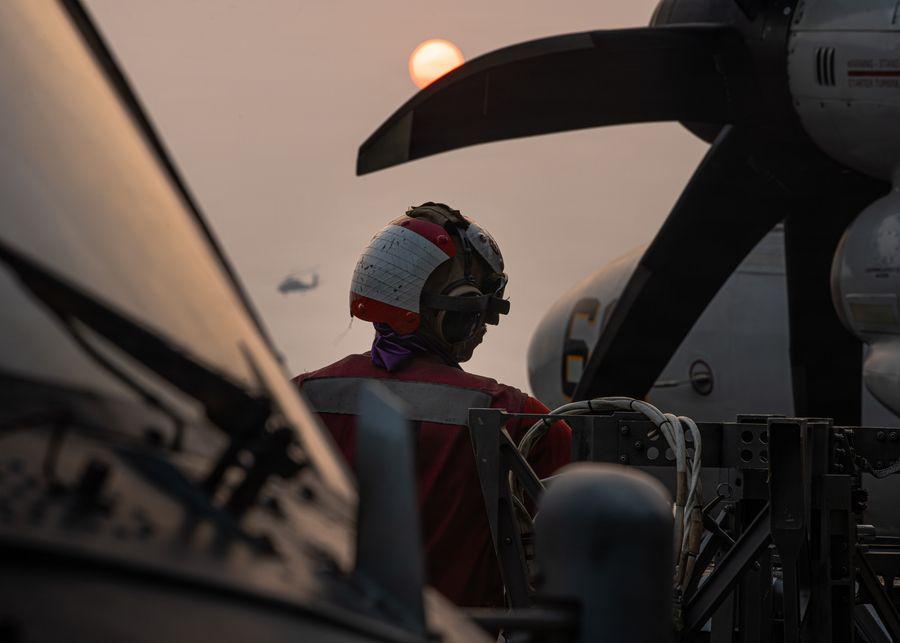
Masters of Command
They came in the gray light before dawn, the way predators always do.
A constellation of Chinese warships—Type 055 destroyers, Type 052Ds, and the new Type 076 amphibious carriers—slid out of the mist east of Taiwan. Behind them, the gray shadows of the Type 093B and 095 nuclear attack submarines ghosted through the depths. Overhead, J-20s and H-6K bombers with long-range anti-ship cruise missiles held station under the protective umbrella of the mainland’s integrated air defense network. The first salvos were not dramatic. They were precise. American satellites blinked. Undersea sensors went dark. A flight of MQ-4C Tritons vanished from the scope. By the time the first Tomahawk left its tube, the calculus had already shifted.
Taiwan’s Military Indicators Slip in Asia Power Index
Taiwan’s huge increases in military spending in recent years might not be paying off....
8h agoRead it on Domino TheoryMasters of Command
How the United States Navy Must Seize Back the Indo-Pacific...
8h agoRead it on RealClearDefense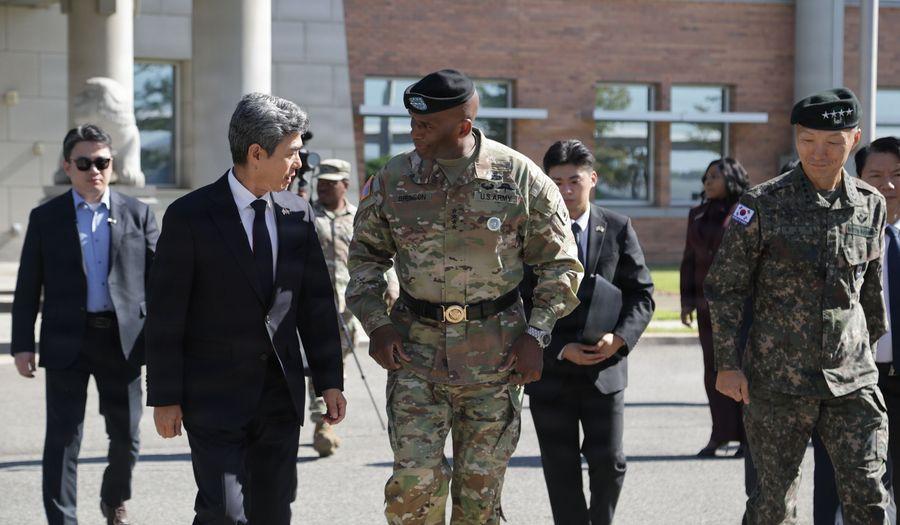
South Korea's OPCON Debate Is a Test of Alliance Readiness
Washington and Seoul need a shared strategic vision—not a political timeline—for the future of their deterrence posture.
South Korea's debate over wartime operational control (OPCON) is no longer just a question of national sovereignty. It is a test of whether Seoul and Washington share a clear understanding of the threats facing the alliance—and of what it takes to deter them.
South Korea's OPCON Debate Is a Test of Alliance Readiness
Washington and Seoul need a shared strategic vision—not a political timeline—for the future of their deterrence posture....
1d agoRead it on RealClearDefenseU.S. Military Supremacy in Asia Is Over
The United States can no longer lay claim to being Asia’s uncontested military hegemon....
1d agoRead it on the interpreterThe Quiet India-Japan Pact That Changed Rules of Indo-Pacific
Is strategic trust in the India-Japan relationship entering a more consequential phase, marked by deeper military ties, industrial cooperation, and a...
2d agoRead it on The EurAsian TimesRussia Takes Its Alignment With China to New Heights
Russia continues to grow bolder in the Western Pacific, and Australia and its partners should prepare for the implications. On 17 November, two...
4d agoRead it on The Strategist (ASPI)Washington Built the Hub-and-Spokes – Australia & Japan Are Rewiring It
A decade of alliance-building has given middle powers a security architecture that no longer runs through one capital. When regional leaders gathered...
4d agoRead it on the interpreter

When Losing Control of AI Becomes a Weapon
By Yunus Emre Tumen • RealClearDefense
International Allied Reliability of States: Criteria and Evolution
By Sergey E. Ivashchenko • RealClearDefense
Your Military Paycheck Has an End Date
By Sean Ofeldt • RealClearDefense
Masters of Command
By Travis A. Karnes • RealClearDefense
A Sweet American Original
By Greg Maresca • RealClearDefense

Monty: Riding the Pendulum
By Zachery Thomas, DODReads
Sign of the Times: CCAs Dominate a Major Fighter Conference
By Bill Sweetman • The Strategist (ASPI)
Marines Want Naval Strike Missiles With Double The Range
By The WarZone
U.S. Navy Targets 79 New Cutter-Based FF(X) Frigates
By A. Servaes, Global Defense
The Hegseth Grenade: A Sea Change at Newport
By Robert C. Rubel, CIMSEC