
Iran
RealClear Context
Click below to continue reading this story, discover more Iran stories from over 25 years of RealClear archives, or follow this topic to stay in the know.
RIP the Carter Doctrine, 1980-2019
Donald Trump has torn up a foundation of U.S. foreign policy and is causing irreparable damage to the Middle East—and world order—in the process.By...
04/08/20Read it on Foreign PolicyEnding the Conflict With Iran
... if the United States wanted to negotiate an end to the conflict with Iran, what might realistic, and mutually acceptable, terms look like?...
5h agoRead it on RealClearDefenseGoing After the Cyprus Money Laundering Hub
With no appetite in Washington or Jerusalem for a costly ground occupation of Iran, the campaign to prevent the Islamic Revolutionary Guard Corps...
5h agoRead it on RealClearDefense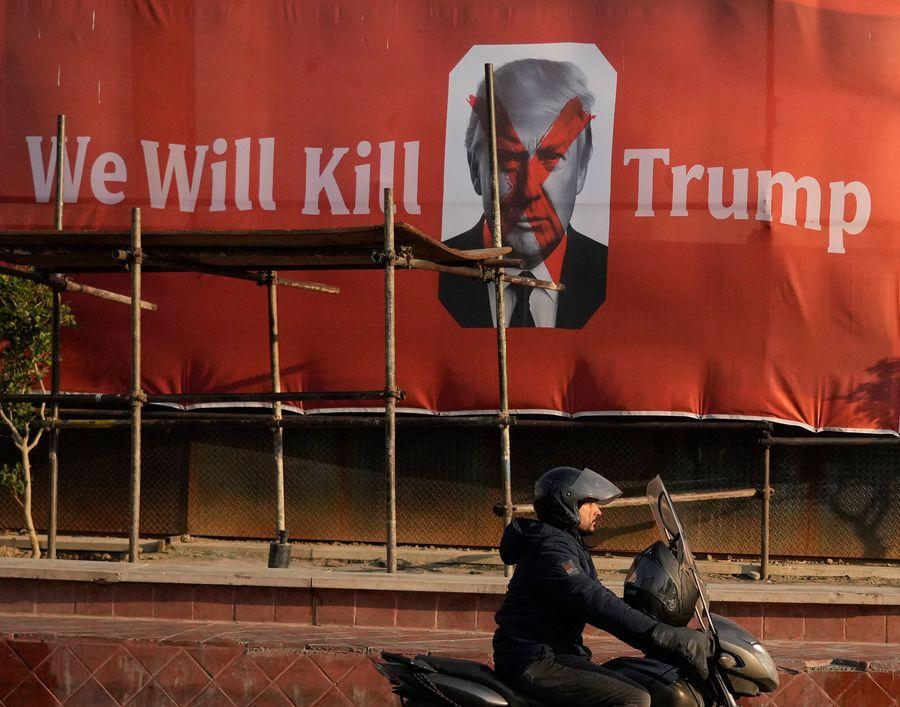
Ending the Conflict with Iran
“President Donald Trump suggested Thursday that he was dialing back diplomatic efforts to resolve the conflict with Iran and ending a dealmaking effort by Vice President JD Vance in favor of leaving a naval blockade in place and continuing to pressure the Iranian economy.”[i]
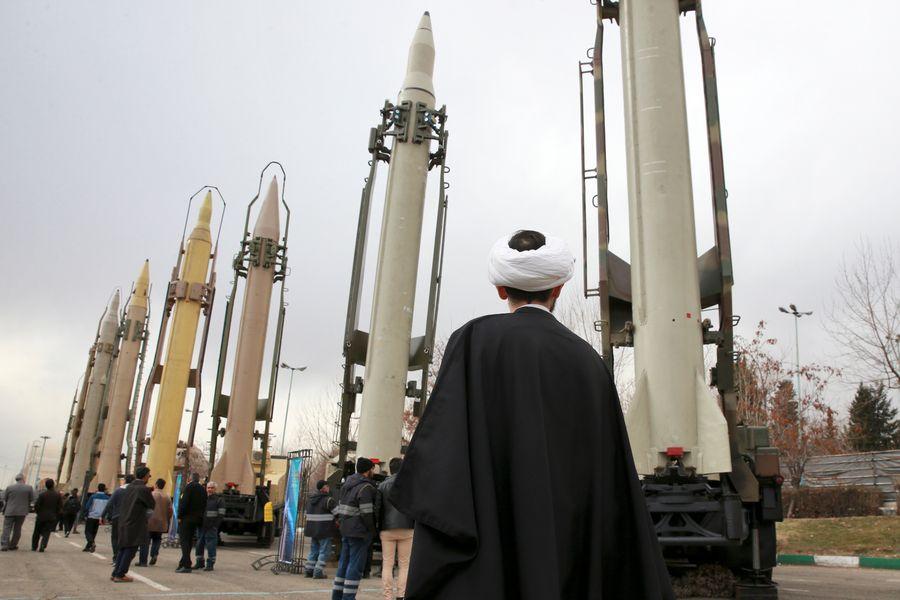
Going After the Cyprus Money Laundering Hub
With no appetite in Washington or Jerusalem for a costly ground occupation of Iran, the campaign to prevent the Islamic Revolutionary Guard Corps (IRGC) and its regional proxies from regenerating has become a war of economic pressure and financial and legal attrition. Over the past year, the United States and Europe have begun building the architecture for that fight.
In February, the European Union unanimously designated the IRGC as a terrorist organization, stripping Tehran of critical diplomatic legitimacy and criminalizing its fundraising networks across the continent. Meanwhile, U.S. Treasury Secretary Scott Bessent has expanded secondary sanctions and launched Operation Economic Outcast to sever Iran’s shadow banking, gold, and cryptocurrency lifelines from the global financial system. Paired with maritime and land interdiction, these measures are tightening the vise on Tehran’s ability to bankroll Hezbollah, the Houthis, and Hamas.
The Paradox of Iranian Power
Why the Islamic Republic Can’t Make Peace...
2d agoRead it on Foreign AffairsThe Need to Remove All Fissile Material from Iran
Mark B. Schneider, The Need to Remove All Fissile Material from Iran, No. 676, November 19, 2026 download PDF The Need to Remove All Fissile Material...
1w agoRead it on National Institute for Public PolicyU.S. Expands Iranian Blockade As Ship Attacks Continue
The U.S. expanded its blockade of Iranian ports and coastline to include any ship that receives cargo via ship-to-ship transfer, according to Joint...
1w agoRead it on USNI News
Operation Epic Fury and the Illusion of Victory
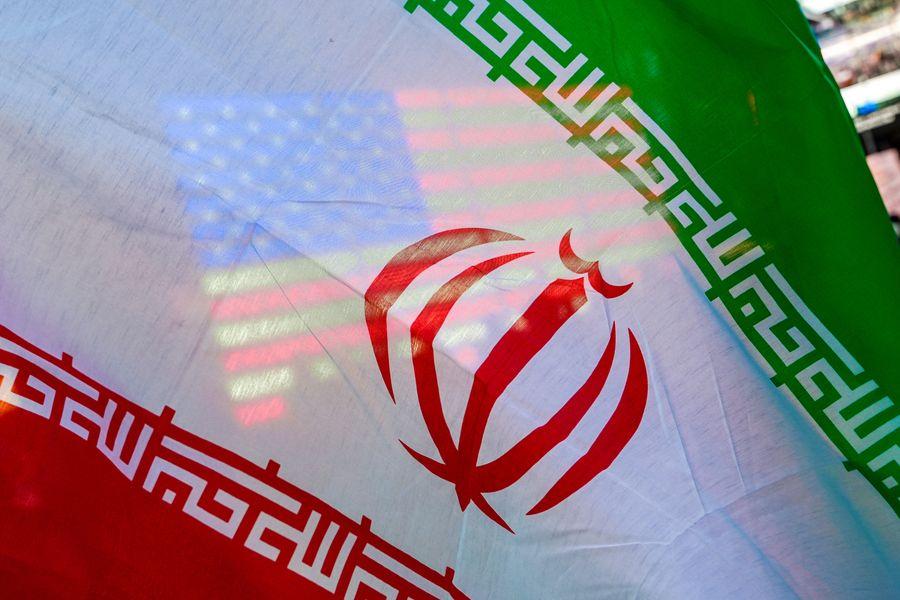
As the dust settles on the midterm elections, the American political landscape has been reshaped. Democrats have executed a sweeping victory across Congress, securing a mandate from an exhausted electorate. In the weeks since this political earthquake, Republicans are slowly beginning to acknowledge that the 2026 Iran War played a role in their widespread defeat. Yet, many within the party continue to marginalize the conflict, treating it as one of several variables that contributed to their loss. This assessment is inaccurate and ignores the reality of the American voter. The war with Iran is not a peripheral issue. It is the core catalyst for the political realignment we just witnessed.
Before the bombs fell, the administration was riding a stabilizing economy and tamed inflation—a domestic narrative strong enough to carry them through November. That advantage evaporated on February 28 with the untelegraphed launch of Operation Epic Fury. The administration made little to no attempt to garner public support beforehand, and no evidence of an imminent Iranian attack on American interests has ever been provided to the public. There was no intelligence released suggesting an impending strike that could not have been repelled by United States air defense systems. By initiating a conflict in the heart of the global energy supply chain and enforcing a naval blockade across the Strait of Hormuz, the administration triggered a spike in global crude prices. The resulting surge in domestic fuel and logistical costs functioned as a crippling tax on the American consumer, reigniting inflation and suffocating the recovery. Americans were reminded of the war's economic toll on a daily basis as they drove past gas stations, and on a weekly basis as they paid for groceries. The electorate went to the polls with empty wallets, punishing the party that traded domestic stability for an ill-explained military engagement.
U.S. Strikes IRGC Missile Launch Site on Qeshm Island
U.S. aircraft launched airstrikes against several Islamic Revolutionary Guard Corps missile launch sites on Iran’s Qeshm Island, which the United...
1w agoRead it on Washington Examiner
Ending the Conflict with Iran
By Anthony Cowden • RealClearDefense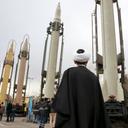
Going After the Cyprus Money Laundering Hub
By Lise Korson • RealClearDefense
Don’t Bet Against CMMC
By Thomas Graham • RealClearDefense
When Losing Control of AI Becomes a Weapon
By Yunus Emre Tumen • RealClearDefense
International Allied Reliability of States: Criteria and Evolution
By Sergey E. Ivashchenko • RealClearDefense

Coast Guard’s Updated Force Design Plan Includes Maven Smart System
By DS
F-22 Raptor Commands MQ-20 Avenger From the Cockpit
By K. Osborn, Warrior M.
ULA’s Vulcan Rocket Is Grounded for Third Time
By I. Klotz, V. Machi, Aviation Week
Tragedy That Convinced the Coast Guard It Needed Rescue Swimmers
By WATM
USAF Contracts Final KC-46 Lot of Original Production Deal
By Satam, The Aviationist