
Military Strategy
RealClear Context
Click below to continue reading this story, discover more Military Strategy stories from over 25 years of RealClear archives, or follow this topic to stay in the know.
Raising the Next Generation of Wargamers
My career in wargaming began by chance, not by design. Initially hired for my writing on national security and my Marine Corps background, I...
10/09/18Read it on War on the Rocks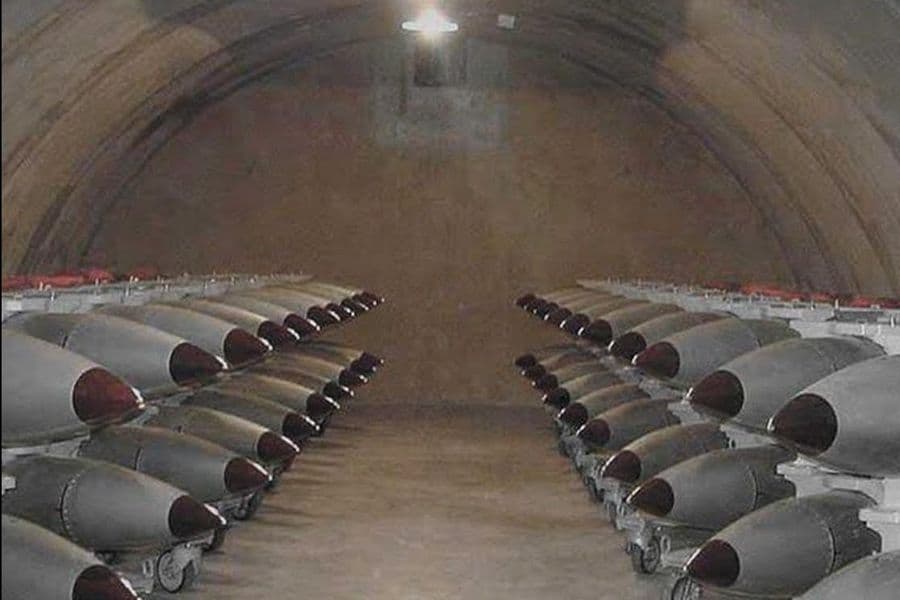
The U.S. Nuclear Deterrent Umbrella
The Commander of the U.S. Strategic Command, ADM Rich Correll, recently described the strategic environment as more complex than at any point in his lifetime. He explained that future military capabilities must account for five major threat vectors: cyber, counter-space, the contested electromagnetic spectrum, novel missile systems and the supply chain. As the Admiral well knows, being the military commander of our nuclear deterrent, these vectors come at us within the context of an overarching nuclear weapons environment that gathers less attention than it should and is more dangerous than is appreciated.
The current legacy U.S. nuclear deterrent is being modernized as it is 40-70 years old. However, important assessments have warned that while critically necessary the program of record is not adequate to fully protect our future security. The current strategic balance could become even more dangerous than it is today unless, for example, the conclusions of the 2023 Strategic Posture Commission are taken seriously. The SPC confirmed that nuclear weapons play a key and central role in the current geostrategic environment in which we find ourselves. But the Commission also concluded the 2010 and 2022 nuclear posture reviews assumed a relative benign future environment, that the U.S. and its allies could significantly lessen the role of nuclear deterrence in our security, highlight cooperative work with Russia and China, and work to prevent the further spread of nuclear weapons, particularly to terror groups.
The U.S. Nuclear Deterrent Umbrella
The current strategic balance could become even more dangerous than it is today unless, for example, the conclusions of the 2023 Strategic Posture...
Read it on RealClearDefenseIs Mission Command Dead?
How Transparent is the Modern Battlefield?...
23h agoRead it on Warfare Mastery InstituteFour Principles to Lift the Academic Fog Around War
When evaluating how technological changes affect the conduct of warfare, caution is essential....
23h agoRead it on The National InterestChecklist for Modern Conflict Readiness
Modern security environments are characterized by rapidly evolving threats that can shift from covert pressure to open conflict with minimal...
1d agoRead it on RealClearDefense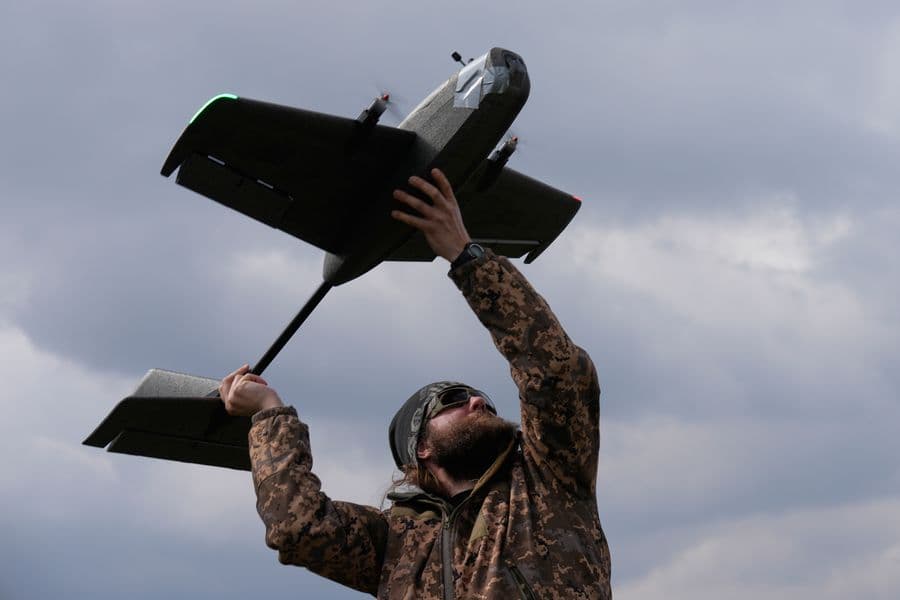
Checklist for Modern Conflict Readiness
Modern security environments are characterized by rapidly evolving threats that can shift from covert pressure to open conflict with minimal indicators of escalation. Ensuring strategic readiness requires a framework that enables timely decision‑making, resilience of critical infrastructure, coordinated action among allies, and the ability to mobilize national resources without delay. The structure presented in this document provides a concise outline of priority directions; it does not represent the sequence in which these measures must be implemented, as many of them can be pursued simultaneously depending on available resources and operational priorities. Each direction can be expanded into detailed planning guidance for both individual states and coalitions of states, forming a unified basis for preparing for potential large‑scale conflict and countering covert escalatory behavior.
When Presidents Fight the Last War
In Bryan Groves’s laudable exposition, he focuses on one of the toughest problems facing an American president: when to escalate or terminate a...
5d agoRead it on Military ReviewIn Pursuit of Nuclear Abolition
We have had the last seven Presidents advocate for either major reductions in nuclear weapons or their near abolition, but almost no analysis has...
5d agoRead it on RealClearDefenseWhen Strategic Options Share the Same Weakness
As America marks 250 years of independence and commemorates the 245th anniversary of the British surrender at Yorktown, that victory remains one of...
5d agoRead it on RealClearDefense
In Pursuit of Nuclear Abolition
We have had the last seven Presidents advocate for either major reductions in nuclear weapons or their near abolition, but almost no analysis has been forthcoming as to what reductions have secured for U.S. security, and whether one should try practically to get to or toward abolition. When such an analysis is completed, the maze of contradictions in the arguments for complete abolition became apparent as does the troubling impact such abolition narratives have on the current nuclear strategic balance including arms reductions.
It is true that even before the use of atomic weapons against Japan ended World War II, there were those who wished nukes could be banned altogether. After August 1945, and absent abolition, there were calls for such weapons and all uranium mining and research to be controlled by a UN organization under what was known as the 1946 Baruch Plan. All nations would allow inspections by a UN authority to ensure nuclear activity was peaceful. The U.S. would unilaterally give up its nuclear capability while Russia promised they would do so some time in the future.

The U.S. Nuclear Deterrent Umbrella
By Peter Huessy • RealClearDefense
The Islamic Republic Can Lose the War and Still Win
By Nima Gholam Ali Pour • RealClearDefense
Talent Ecosystems: Building a Scalable National Security STEM Workforce
By Payuna Uday • RealClearDefense
The Underground Cloud
By Ben Poulin • RealClearDefense
Trump's Disrupt First, Negotiate Second: Greenland in Focus
By Meda Parameswara Reddy • RealClearDefense
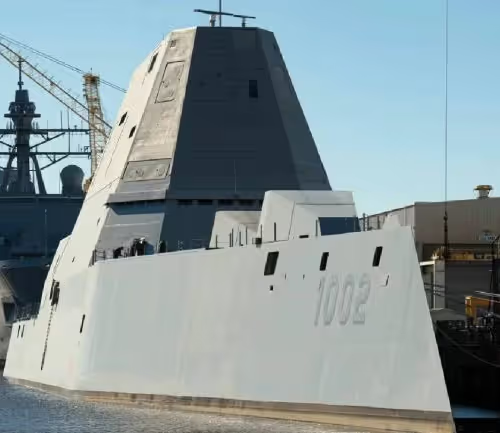
U.S. Navy to Begin Testing for USS Lyndon B Johnson (DDG 1002)
By Naval-Technology
Marine Corps Moves To Expand Maven Smart System Account Access
By DefScoop
Navy F/A-18 Spotted With New AIM-174B And AIM-260 Long-Range Missiles
By TWZ
Pentagon’s 6th Generation Stealth Fighter Will Control Drone Swarms
By Warrior M.
Air Force Needs 1,509 Combat-Ready Jets by 2035
By Michael Marrow, Breaking Defense