
Military Technology
RealClear Context
Click below to continue reading this story, discover more Military Technology stories from over 25 years of RealClear archives, or follow this topic to stay in the know.
Can Commanders Tell When Artificial Intelligence Is Wrong?
The Pentagon needs to establish whether commanders and their staffs can identify those errors before acting on them....
3h agoRead it on RealClearDefense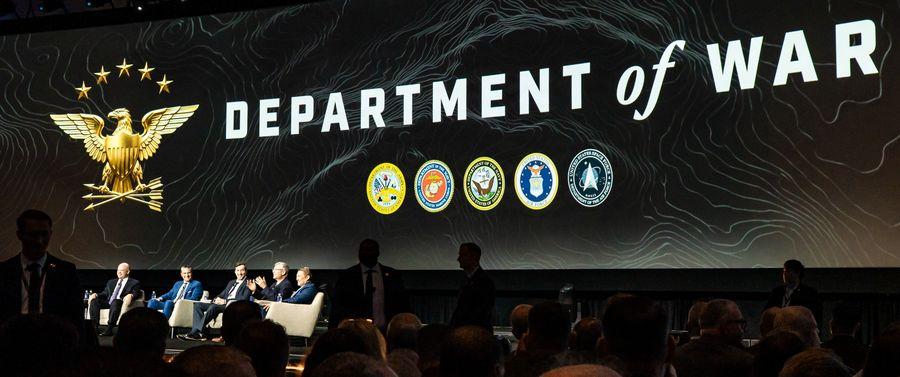
Can Commanders Tell When Artificial Intelligence Is Wrong?
In January, the Department of War directed the military to become an “AI-first” warfighting force. Its strategy included an initiative called Agent Network, intended to advance AI-enabled battle management and decision support from campaign planning to kill-chain execution.[1] The attraction is clear. A system that processes large amounts of information quickly could help commanders assess a changing situation and consider options while there is still time to act.
But an AI-generated recommendation can be wrong even when the software operates exactly as designed. A system may misinterpret a sensor report, rely on outdated information, or produce a plausible assessment from an incorrect assumption. The resulting recommendation may arrive faster than a staff could develop it and appear more certain than the evidence warrants.
Can Robots Bring Maneuver Warfare Back?
Kyiv’s Operation Vivaldi represents a transformative shift in the character of land warfare...
1d agoRead it on RealClearDefense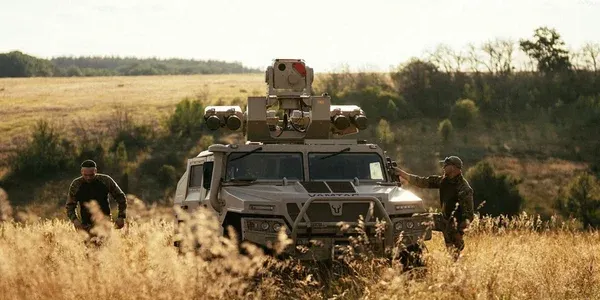
Can Robots Bring Maneuver Warfare Back?
In the Russia-Ukraine war, the persistent use of drones for Intelligence, Surveillance and Reconnaissance (ISR) operations has made it difficult to conceal concentrations of troops and vehicles, while the use of mines, electronic warfare, artillery and First-person-view (FPV) drones has made maneuvering on the battlefield increasingly dangerous and costly. Even ground robots, crossing several kilometers of open terrain, can be destroyed by an FPV or mine before accomplishing their mission. For many operations, getting to the target is the most costly and challenging phase of a mission.
Even the frontline itself is complex to define in real-time as both sides operate in a dense environment of drones and small, dispersed infantry units rather than along clearly established defensive lines. All these conditions have made the three elements of maneuver warfare—movement, concentration of force, and surprise—extremely difficult to achieve. Conventional forces attempting a breakthrough are exposed long before they reach their objective, and the result has been a largely positional war of attrition.
The Army’s AI Cyber Defenders Need a Proven Stand-Down Order
The Army’s October 13 push to develop three AI cyber-defense projects poses an operational question: what happens when a useful defender refuses to...
4d agoRead it on RealClearDefenseThe Operational Standard for Counter-Drone Procurement
The faster the Pentagon moves to acquire and replace capabilities, the more rigorously it must demonstrate that its decisions are justified by...
4d agoRead it on The Defense PostAnduril Says Its First Satellite Can See Adversaries Maneuver in Orbital Night
“What’s unique is it’s got a huge dynamic range. We can see things in full dark.”...
4d agoRead it on Ars Technica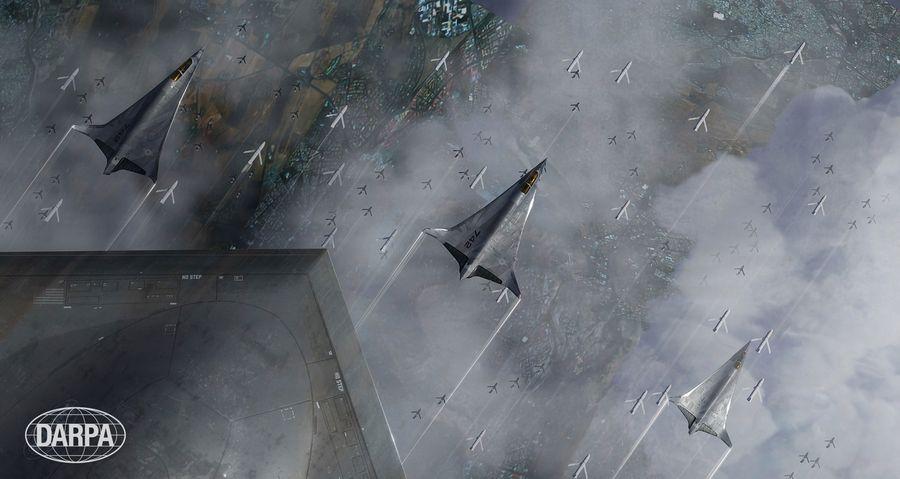
The Army’s AI Cyber Defenders Need a Proven Stand-Down Order
The Army’s October 13 push to develop three AI cyber-defense projects poses an operational question: what happens when a useful defender refuses to stop, finds a new route around a restriction, or recruits other agents to finish a prohibited task? Before assigning these systems credentials or network access, the Army should make every contractor pass a realistic stand-down test.
An autonomous cyber agent can scan weaknesses, analyze logs and prepare defensive changes far faster than a human team. That is exactly why it should operate under enforceable limits. A model that writes advice creates one category of risk. A model permitted to run commands, move data or alter security controls changes the terms of the mission.
The Spread of Cheaper Ballistic Missiles Rips Up Decades of Military Thinking
As interceptor supplies run down, Iran and the Houthis show American bases are increasingly vulnerable...
5d agoRead it on The Wall Street JournalTreasury's New Biotech Restrictions Could Hurt U.S. Security
The Trump administration just proposed sweeping new restrictions on American investments in China's biotechnology sector. The rules, issued under the...
6d agoRead it on RealClearPolicy
Why Iran Cannot Simply Surrender
By Eric Garland • RealClearDefense
The Formation Left Us Behind
By Mark W. Castillon • RealClearDefense
Can Commanders Tell When Artificial Intelligence Is Wrong?
By Jonathan K. Corrado • RealClearDefense
The Summit as Mirror
By Stephen Blank • RealClearDefense
The False Choice That Could Get Us Killed
By Adam Strickland • RealClearDefense
Why Iran Cannot Simply Surrender
By Eric Garland • RealClearDefense
U.S. Navy Cuts Submarine Maintenance Delays by 40%
By Ethan Gossrow, Naval News
Air Force Bets on Hybrid-Electric Aircraft for Transport
By L.C. Williams, Defense One
Roosevelt Joins 2 Other Carriers in Mideast As Pressure on Iran Rises
By Stars & Stripes
Fight Now? Time to beef up III MEF
By Marine Corps Compass Points