
Africa
RealClear Context
Click below to continue reading this story, discover more Africa stories from over 25 years of RealClear archives, or follow this topic to stay in the know.
Africa Is Changing—And U.S. Strategy Is Not Keeping Up
Washington Needs to Rethink Its Approach to the ContinentAfrica has never been a top priority for the United States. Presidents Bill Clinton,...
10/09/21Read it on Foreign AffairsUAE Turns to Russian Shadow Airline for Missions in Africa
Three Things the U.S. Can Do to Save the Sahel
Washington has taken important steps toward re-engagement, but the jihadist threat is outpacing policy.
07/01/26Read it on The National InterestTigrayan Forces Preparing Offensive Against Ethiopian Gov't
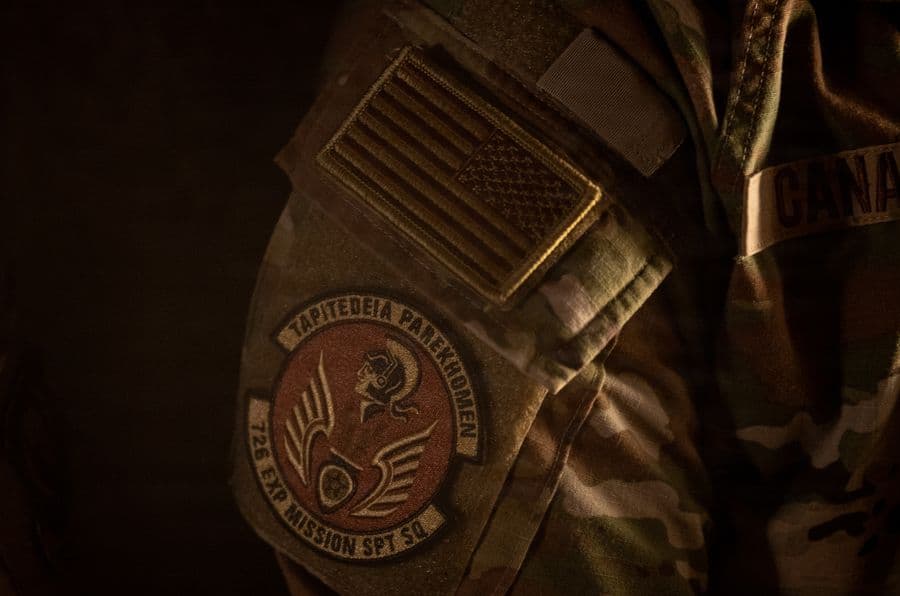
Aid Was America's First Line of Defense in East Africa
From January to August 2013, I served with a U.S. Navy public affairs team in East Africa at Camp Lemonnier. During those months in the Horn of Africa, I witnessed both extraordinary hardship and extraordinary resilience. I saw communities struggling through drought, poverty, displacement, and the lingering scars of conflict. I also saw something else: the stabilizing power of American humanitarian leadership.For many Americans, foreign aid is often discussed as a budget item or political debate. In East Africa, it was something far more tangible. Food assistance, medical care, refugee support, HIV treatment, and clean water programs were often the thin line separating stability from desperation.
For decades, the United States helped sustain vulnerable populations across countries like Somalia, Ethiopia, Kenya, and South Sudan through the work of the United States Agency for International Development and countless humanitarian organizations operating in some of the world’s most fragile environments. These programs were never simply acts of charity. They were strategic investments in regional stability, counterterrorism, and American influence.
Aid Was America's First Line of Defense in East Africa
When governments cannot provide basic stability, extremist organizations exploit the vacuum.
05/29/26Read it on RealClearDefenseMali's Overreliance on Mercenaries Leads to Failure
AFRICOM Looks to Reset Ties With Sahel Region Countries

The Emerging SQUAD
By Muhammad Shoaib • RealClearDefense
Somebody Has to Hold the Ground
By Jay Rogers • RealClearDefense
U.S. Navy Shipbuilding: The Good, the Bad and the Ugly
By Brent Ramsey • RealClearDefense
The Services Do Not Need a Four-Star Autonomous Warfare Command
By Steven Wills • RealClearDefense
Honor Them While There Is Still Time
By Jeffrey Rosales • RealClearDefense

U.S. Military Gives Elon Musk’s SpaceX Access to Sensitive Tracking Data
By Guardian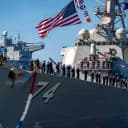
USS McFaul Returns to Norfolk After 332 Day Deployment
By Sam LaGrone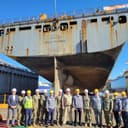
The U.S. Shipbuilding Revival Is Taking Lessons Halfway Around the World
By WSJ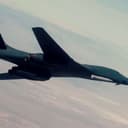
Hypersonic -Firing B-1B Lancer To Fly Into the 2040s
By Kris Osborn, Warrior MavenU.S. Navy Shipbuilding: The Good, the Bad and the Ugly
By Brent Ramsey, RCDefense