
Grand Strategy
RealClear Context
Click below to continue reading this story, discover more Grand Strategy stories from over 25 years of RealClear archives, or follow this topic to stay in the know.
Nixon, Not Kissinger, Was the Architect of 'Detente'
And it is Nixon who deserves the most credit for its success.In a lengthy and important essay in Foreign Affairs about "detente" with the Soviet...
03/05/24Read it on The American Spectator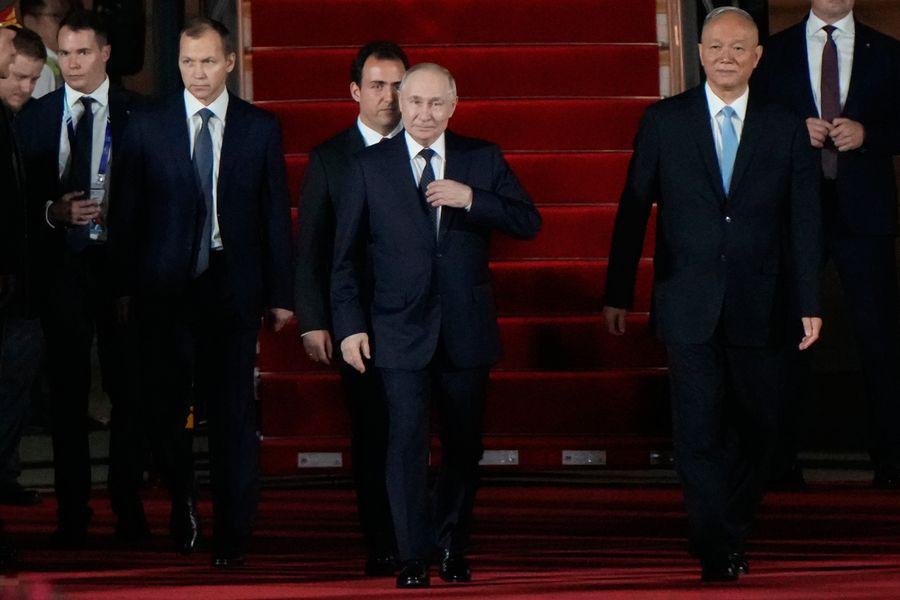
Previewing The Shenzen Summit: A Critical View
The Shenzen summit comprising the U.S., China, and Russia will meet on the sidelines of the annual APEC (Asia-Pacific Economic Community) conference on November 19-20. Normally a successful summit requires intense and prolonged diplomatic preparation, a procedure opposed to President Trump’s practice which dispenses with those requirements and is driven as much by his vanity, transactional approach, and emphasis on style over substance. Past summits therefore suggest that we should not expect too much from Shenzen.
Trump’s 2025 Anchorage summit with Vladimir Putin, despite its hoopla, led nowhere and even disbanded without a communique. Typically, Russian spokesmen subsequently repeatedly invoked “the spirit of Anchorage” that allegedly involved relief from sanctions and a settlement of Russia’s aggression against Ukraine over Kyiv’s head. Likewise, Trump’s summits with Xi Jinping were full of pomp but only enabled China to present itself as America’s equal. This gratified Beijing given its visible anxieties over its status as a great power, but gave Washington nothing. Meanwhile, China has resumed its encroachments on Taiwan, the Philippines, and Japan without noticeable American pushback. For example, Trump is still withholding military aid to Taiwan.
Previewing The Shenzen Summit: A Critical View
The Shenzen summit comprising the U.S., China, and Russia will meet on the sidelines of the annual APEC (Asia-Pacific Economic Community) conference...
Read it on RealClearDefenseAmerica’s Palmerstonian Moment
An 1848 speech by a British politician provides a playbook for our multipolar age....
Read it on Modern AgeA New Yalta? Why Xi Is Wary of Hosting Trump and Putin
The idea of top leaders potentially cutting deals behind closed doors raises concerns for nations not involved, such as Ukraine and Taiwan....
23h agoRead it on Modern DiplomacyCharting the New Nuclear Age
Scenarios for the Two-Nuclear-Peer Challenge...
23h agoRead it on CNASTrump’s Summit With Xi and Putin: A New Global Balance of Power?
The ‘Triangular Summit’ with today’s Big Three should look less to Yalta than to the Concert of Europe and its lessons in geopolitical realism....
23h agoRead it on The American SpectatorRussia Aims for ‘Joint Statement’ From Trilateral Summit With U.S. and China
Thursday’s unprecedented meeting of Donald Trump, Xi Jinping, and Vladimir Putin has drawn intense international attention...
23h agoRead it on Financial TimesThe China We Want to See: The Persistent Danger of Strategic Misdiagnosis
... great-power strategy becomes dangerous when description and aspiration begin to merge....
1d agoRead it on OrbisWhat the 2026 Midterm Results Mean for U.S. Strategic Competition with Rivals
... what do the midterms mean for U.S. strategic competition with its top geopolitical nemeses like China, Russia, Iran, and North Korea?...
5d agoRead it on RealClearDefense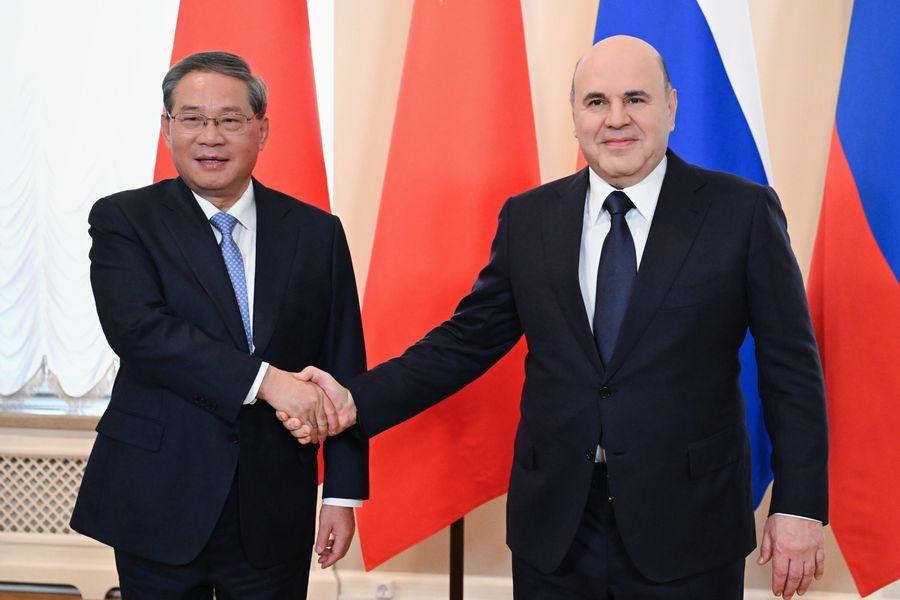
What the 2026 Midterm Results Mean for U.S. Strategic Competition with Rivals
The U.S. midterm elections on November 3, 2026, produced a Red Wipeout. The Democratic Party not only seized a decisive control of both chambers of the U.S. Congress—the best results they have had since 2008—but also achieved stunning victories in traditionally red-states where Donald Trump also won by double-digit margins in 2024 like Texas, South Carolina, Mississippi, Ohio, Iowa, and Kansas.
On top of a seismic shift to the Democrats from a coalition of electorates who strongly supported Trump and the Republicans in 2024, the voters voiced a stinging repudiation of the drawn-out war in Iran and the consequential affordability crisis. The results may potentially shatter the president’s political grip over Washington and limit his seemingly unrestrained power in policies like trade, immigration, and the economy.
Operation Epic Fury and the Illusion of Victory
By Stephen D. Cook • RealClearDefense
Previewing The Shenzen Summit: A Critical View
By Stephen Blank • RealClearDefense
How to Win Without Military Victory
By Kevin Eyer • RealClearDefense
We Keep Funding ‘Shared Infrastructure.’ Nobody Has Defined It.
By Frederick Gale • RealClearDefense
Congress Must Reauthorize Section 702 of the Foreign Intelligence Surveillance Act
By Bryce G. Poole • RealClearDefense

Five Takeaways From Navy Nominee’s Rocky Hearing
By Seligman & Weisgerber, WSJ
U.S. Air Force Taps Anduril for Containerized Launcher
By Global Defense News
Time To Say Goodbye to the NMESIS and NSM
By Marine Corps Compass Points
HII and U.S. Navy Break Ground on Shipyard Complex
By George Allison, UKDJ
Rare U.S. Air Force Spy Plane Spotted Over the Black Sea
By D. Malyasov, Defence Blog