
Maritime Strategy
RealClear Context
Click below to continue reading this story, discover more Maritime Strategy stories from over 25 years of RealClear archives, or follow this topic to stay in the know.
Indonesia's Sea Lanes Give It Overlooked Leverage Over China
The power dynamic between Indonesia and China is more complex than the one-way economic dependence that some experts assume
01/07/26Read it on The Strategist (ASPI)End the Jones Act Waiver
Do we really want to turn over control of our nation’s domestic sea transportation of vital energy and agricultural products to foreign entities –...
1w agoRead it on RealClearDefenseA Contested Mediterranean: What Role for the U.S.?
As critical infrastructure becomes increasingly vulnerable to sabotage, freedom of navigation is undermined by conflict, and energy disputes generate...
1w agoRead it on Middle East Institute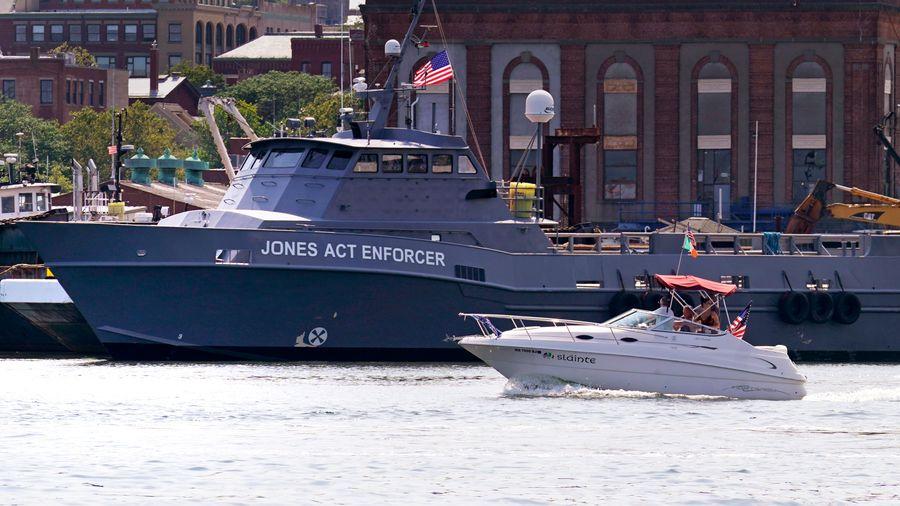
End the Jones Act Waiver
The Trump Administration has made rebuilding American maritime strength a national priority, and it is encouraging to see the progress being made thus far in new ship construction contracts and recently announced investments in new and modernized shipyards. All good, and long overdue.
But the administration is at the same time inflicting a serious wound on a vital part of our national maritime security by continuing to waive the Jones Act.
Nuclear Deterrence and the Significance of AI
Deterrence theories are essentially a composite of cognitive science and politico-military strategy. Artificial Intelligence (AI) elevates...
1w agoRead it on Global Security ReviewChinese Carrier Strike Group Drills in the Philippine Sea
The People's Liberation Army Navy Liaoning Carrier Strike Group was operating in the Philippine Sea as of Wednesday, according to a Japan Joint...
10/15/26Read it on USNI NewsThe Mother of All Cutters
Drawing a White-Hull Line in PACOM
10/15/26Read it on CIMSEC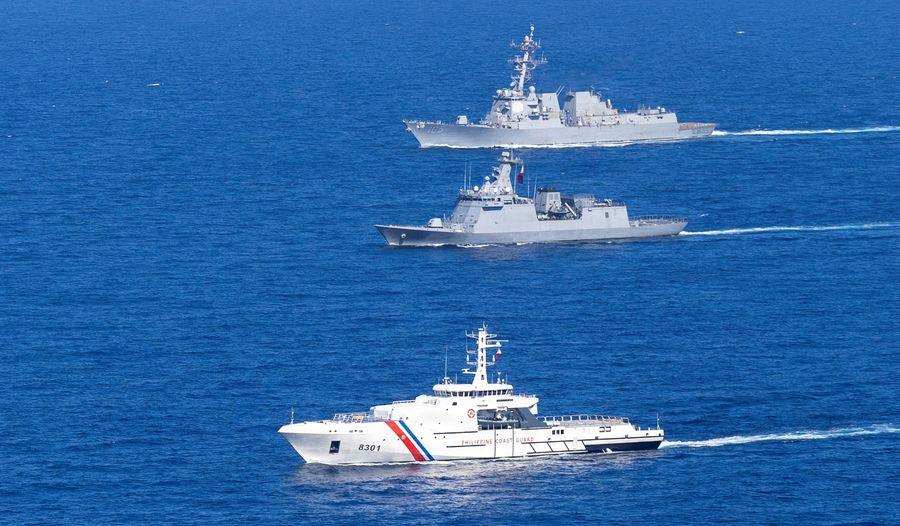
The U.S. Needs Its Own Grey-Zone Tactics in the South China Sea
Passive resistance to Beijing’s actions in the South China Sea is not working. If the United States wants to win in the region, it needs a grey-zone strategy of its own.
Beijing has spent a decade refining a playbook that stays deliberately below the threshold of armed conflict. Chinese coast guard ships ram Philippine vessels, maritime militia swarm disputed reefs, and drones shadow foreign ships. Washington’s response – patrols, joint statements and expressions of concern – has imposed few costs and changed little.
Philippine and Chinese Incidents Spike in South China Sea
Philippine and Chinese forces have dangerously engaged each other at least six times at several disputed areas
10/13/26Read it on USNI NewsThe U.S. Needs Its Own Grey-Zone Tactics in the South China Sea
Passive resistance to Beijing's actions in the South China Sea is not working. If the United States wants to win in the region, it needs a...
10/13/26Read it on The Strategist (ASPI)
Batteries Can Power a Win for America in Super Intelligence
By Manisha Singh • RealClearDefense
Poland’s Fighter Fleet Is Growing: Can Its Training System Keep Up?
By Bruce Allen Lubbering • RealClearDefense
Why Iran is Not Vietnam
By Kevin Brown • RealClearDefense
Closing the Missile (Defense) Gap
By Jason Camilletti • RealClearDefense
Part of a Larger Secret, Hidden World
RealClearDefense

Sign of the Times: CCAs Dominate a Major Fighter Conference
By Bill Sweetman • The Strategist (ASPI)Closing the Missile (Defense) Gap
By Jason Camilletti • RealClearDefense
U.S. Navy Prepares for Third Zumwalt Hypersonic Upgrade
By C. Johnston, Naval N.
Pearl Harbor Hero Doris Miller Will Stay Namesake of CVN-81
By Mongilio, USNI News
Navy CCA Plans Will Not Wait For F/A-XX Next Generation Fighter
By The WarZone