
Africa
RealClear Context
Click below to continue reading this story, discover more Africa stories from over 25 years of RealClear archives, or follow this topic to stay in the know.
Washington Is Reshaping Security in North Africa
On October 30, Russia vetoed a US-drafted resolution renewing the mandate of the UN Mission for the Referendum in Western Sahara (MINURSO)....
15h agoRead it on Atlantic Council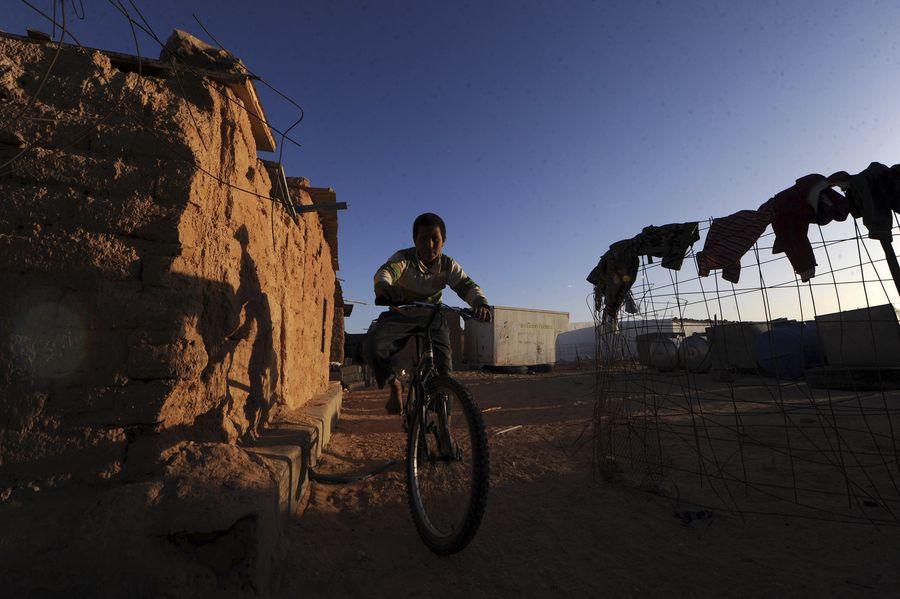
Washington Is Reshaping Security in North Africa. Congress Needs To Ask How.
On October 30, Russia vetoed a US-drafted resolution renewing the mandate of the UN Mission for the Referendum in Western Sahara (MINURSO). Subsequently, Russia’s alternative twelve-month rollover of the mission also failed to pass, receiving only three affirmative votes. The mission’s mandate expired on October 31, ending thirty-five years of UN peacekeeping aimed at monitoring the ceasefire between Morocco and the Polisario Front, which seeks independence for the Western Sahara.
Meanwhile, in Libya, Washington has been pressing eastern and western leaders toward a unified military that could include units that UN investigators found aided Sudan’s Rapid Support Forces (RSF), a paramilitary group implicated in atrocities in Sudan’s civil war. In both cases, Washington is taking a more active role in shaping regional security arrangements, yet Congress has little opportunity to scrutinize their potential impacts.
UAE Turns to Russian Shadow Airline for Missions in Africa
Three Things the U.S. Can Do to Save the Sahel
Washington has taken important steps toward re-engagement, but the jihadist threat is outpacing policy.
07/01/26Read it on The National InterestTigrayan Forces Preparing Offensive Against Ethiopian Gov't
Aid Was America's First Line of Defense in East Africa
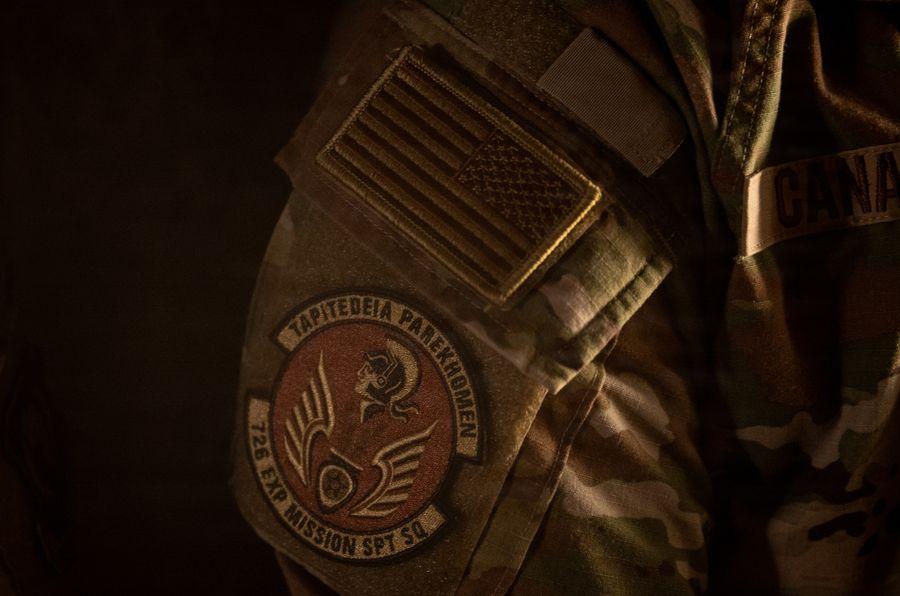
From January to August 2013, I served with a U.S. Navy public affairs team in East Africa at Camp Lemonnier. During those months in the Horn of Africa, I witnessed both extraordinary hardship and extraordinary resilience. I saw communities struggling through drought, poverty, displacement, and the lingering scars of conflict. I also saw something else: the stabilizing power of American humanitarian leadership.For many Americans, foreign aid is often discussed as a budget item or political debate. In East Africa, it was something far more tangible. Food assistance, medical care, refugee support, HIV treatment, and clean water programs were often the thin line separating stability from desperation.
For decades, the United States helped sustain vulnerable populations across countries like Somalia, Ethiopia, Kenya, and South Sudan through the work of the United States Agency for International Development and countless humanitarian organizations operating in some of the world’s most fragile environments. These programs were never simply acts of charity. They were strategic investments in regional stability, counterterrorism, and American influence.
Aid Was America's First Line of Defense in East Africa
When governments cannot provide basic stability, extremist organizations exploit the vacuum.
05/29/26Read it on RealClearDefense
End the Jones Act Waiver
By Mark H. Buzby • RealClearDefense
Prediction Markets Are Becoming a New Frontline for Military Operational Security
By Yang Yunke • RealClearDefense
Can Robots Bring Maneuver Warfare Back?
By Ayeza Areej • RealClearDefense
Buy Smarter, Fly More
By Jeff Kojac • RealClearDefense
Stop Gutting the Conventional Army
By R.D. Hooker, Jr. • RealClearDefense
Hung Cao Facing Contentious Confirmation To Become Navy Secretary
By Konstantin Toropin • Associated Press
U.S. Marines Expand M27 Rifle Contract
By Inder Singh Bisht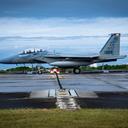
Kadena AFB Gets First F-15EX Eagle IIs
By Emily Ryan Miller, Defence BlogHung Cao Facing Contentious Confirmation To Become Navy Secretary
By AP
Fair Winds, Peacoat and Desert Camo: Navy Makes Big Changes to Seabag
By MTimes