
Grand Strategy
RealClear Context
Click below to continue reading this story, discover more Grand Strategy stories from over 25 years of RealClear archives, or follow this topic to stay in the know.
International Allied Reliability of States: Criteria and Evolution
The operational accessibility of a state's national power to a partner in times of need, even when honoring those obligations incurs significant...
2h agoRead it on RealClearDefense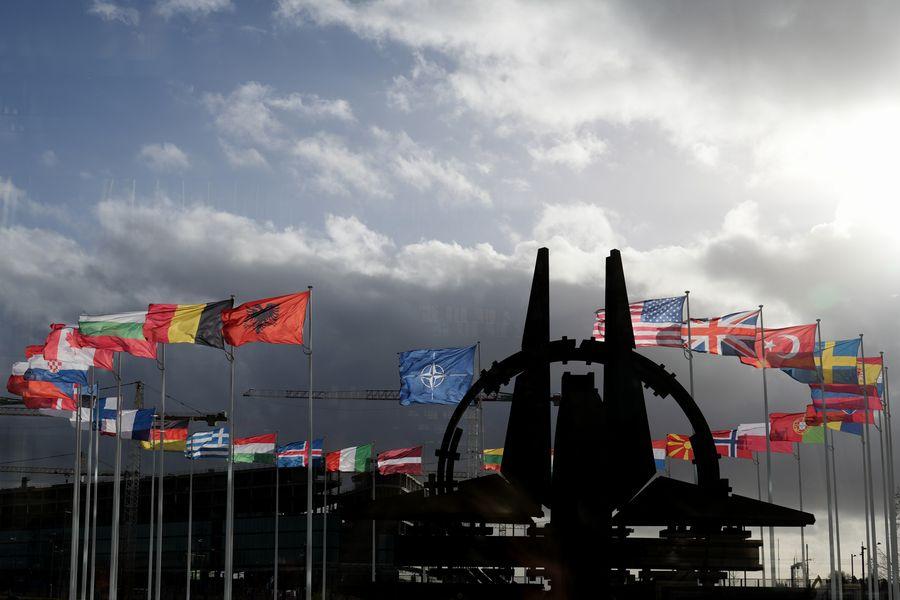
International Allied Reliability of States: Criteria and Evolution
Mainstream international relations theory remains fixated on gross balance-of-power metrics: aggregate GDP, warhead counts, active manpower, and baseline manufacturing capacity. Yet these figures capture raw systemic weight—nothing more. They indicate what a state could theoretically leverage, not what its political leadership will actually risk when an ally faces strategic exposure. Latent capacity is analytically distinct from political willingness. A major power possessing multi-trillion-dollar scale can experience immediate policy paralysis as domestic electoral risks mount; conversely, secondary states routinely absorb extreme systemic pressures to honor external obligations.
Why Iran is Not Vietnam
Trump’s inconsistent negotiation approach toward Iran has drawn comparisons to Lyndon B. Johnson during the Vietnam War....
2d agoRead it on RealClearDefense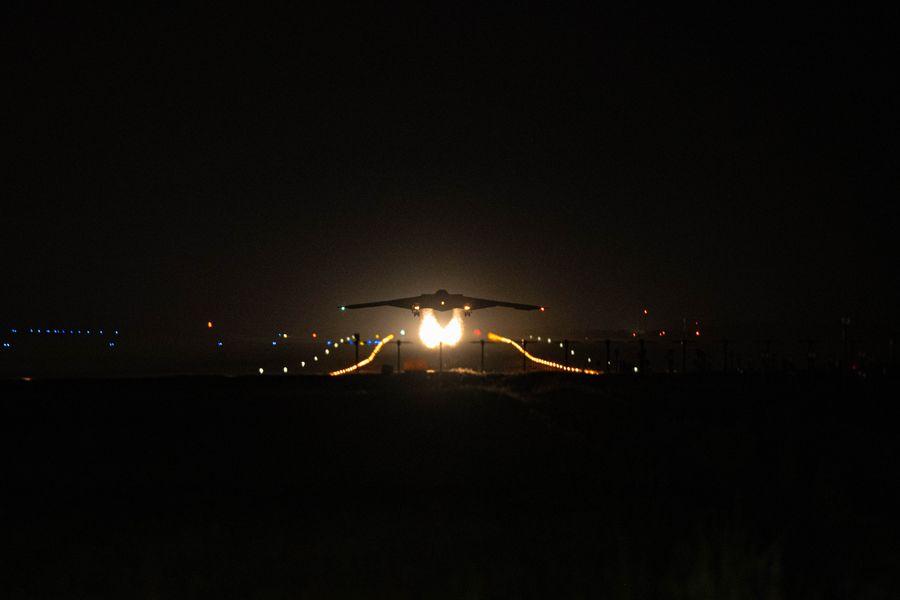
Why Iran is Not Vietnam
The current phase of U.S. military actions against Iran has now lasted seven months without a clear resolution. Trump’s inconsistent negotiation approach toward Iran has drawn comparisons to Lyndon B. Johnson during the Vietnam War. Iran is using asymmetric warfare to pressure Trump. But the Vietnam comparison overlooks several key differences that limit its usefulness: domestic legitimacy, economic vulnerability, and foreign alliances.
North Vietnamese leader Ho Chi Minh had built decades of goodwill among the country’s rural peasantry, dating back to his leading role in resisting Japanese occupation during World War II. In its war against the French and later the Americans and Washington’s southern clients, the North benefited from war weariness, the urban-rural divide, and the enemy’s lack of legitimacy. Likewise, this same establishment of domestic legitimacy, which proved to be a winning formula for the Taliban during its 2001-2021 wilderness years, also worked against an American-supported secular government in Kabul.
Congress and the Coming Crises
How to Defuse Looming Threats to U.S. National Security...
4d agoRead it on Foreign AffairsThe Pressure Is the Message: What Xi and Putin Faced in Shenzhen
Shenzhen produced a photograph, a declaration, and a seating chart. The pressure behind them, from Russia's refineries and the Kerch Strait to...
5d agoRead it on RealClearDefense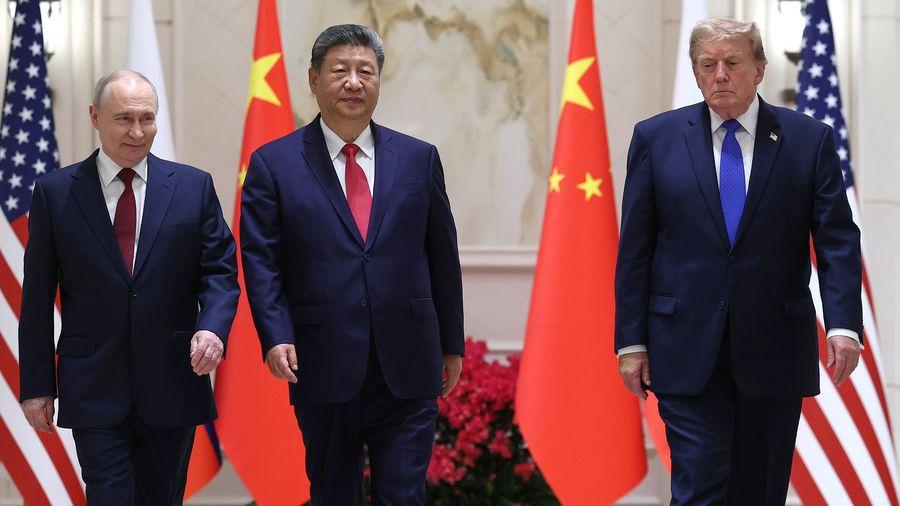
The Pressure Is the Message: What Xi and Putin Faced in Shenzhen
The photograph from Shenzhen shows three powerful men at one table. On November 19, Donald Trump, Xi Jinping, and Vladimir Putin sat together for 90 minutes. Cameras love a table. Analysts should look under it.
Previewing The Shenzen Summit: A Critical View
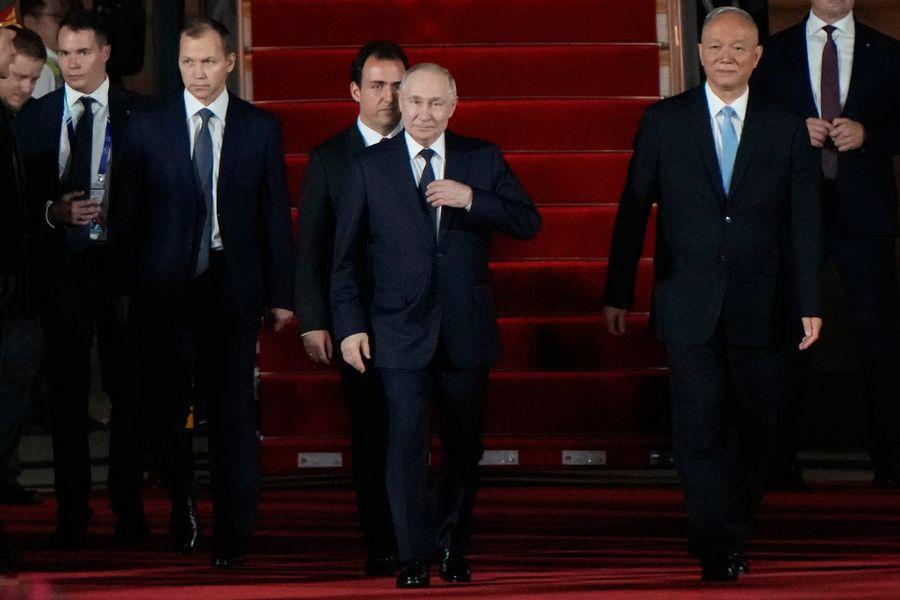
The Shenzen summit comprising the U.S., China, and Russia will meet on the sidelines of the annual APEC (Asia-Pacific Economic Community) conference on November 19-20. Normally a successful summit requires intense and prolonged diplomatic preparation, a procedure opposed to President Trump’s practice which dispenses with those requirements and is driven as much by his vanity, transactional approach, and emphasis on style over substance. Past summits therefore suggest that we should not expect too much from Shenzen.
Trump’s 2025 Anchorage summit with Vladimir Putin, despite its hoopla, led nowhere and even disbanded without a communique. Typically, Russian spokesmen subsequently repeatedly invoked “the spirit of Anchorage” that allegedly involved relief from sanctions and a settlement of Russia’s aggression against Ukraine over Kyiv’s head. Likewise, Trump’s summits with Xi Jinping were full of pomp but only enabled China to present itself as America’s equal. This gratified Beijing given its visible anxieties over its status as a great power, but gave Washington nothing. Meanwhile, China has resumed its encroachments on Taiwan, the Philippines, and Japan without noticeable American pushback. For example, Trump is still withholding military aid to Taiwan.
Previewing The Shenzen Summit: A Critical View
The Shenzen summit comprising the U.S., China, and Russia will meet on the sidelines of the annual APEC (Asia-Pacific Economic Community) conference...
1w agoRead it on RealClearDefenseAmerica’s Palmerstonian Moment
An 1848 speech by a British politician provides a playbook for our multipolar age....
1w agoRead it on Modern Age
When Losing Control of AI Becomes a Weapon
By Yunus Emre Tumen • RealClearDefense
International Allied Reliability of States: Criteria and Evolution
By Sergey E. Ivashchenko • RealClearDefense
Your Military Paycheck Has an End Date
By Sean Ofeldt • RealClearDefense
Masters of Command
By Travis A. Karnes • RealClearDefense
A Sweet American Original
By Greg Maresca • RealClearDefense

Monty: Riding the Pendulum
By Zachery Thomas, DODReads
Sign of the Times: CCAs Dominate a Major Fighter Conference
By Bill Sweetman • The Strategist (ASPI)
Marines Want Naval Strike Missiles With Double The Range
By The WarZone
U.S. Navy Targets 79 New Cutter-Based FF(X) Frigates
By A. Servaes, Global Defense
The Hegseth Grenade: A Sea Change at Newport
By Robert C. Rubel, CIMSEC