
Indo-Pacific/Asia
RealClear Context
Click below to continue reading this story, discover more Indo-Pacific/Asia stories from over 25 years of RealClear archives, or follow this topic to stay in the know.
U.S. Military Supremacy in Asia Is Over
The United States can no longer lay claim to being Asia’s uncontested military hegemon....
2h agoRead it on the interpreter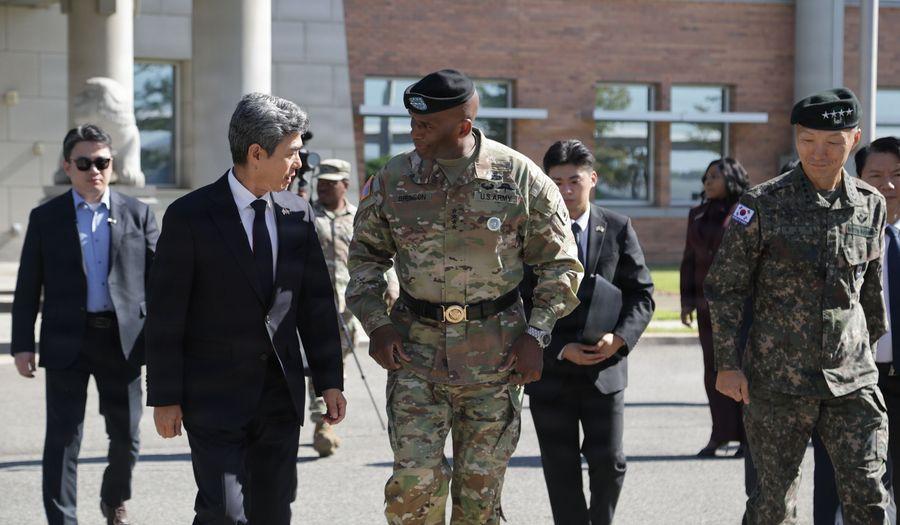
South Korea's OPCON Debate Is a Test of Alliance Readiness
Washington and Seoul need a shared strategic vision—not a political timeline—for the future of their deterrence posture.
South Korea's debate over wartime operational control (OPCON) is no longer just a question of national sovereignty. It is a test of whether Seoul and Washington share a clear understanding of the threats facing the alliance—and of what it takes to deter them.
South Korea's OPCON Debate Is a Test of Alliance Readiness
Washington and Seoul need a shared strategic vision—not a political timeline—for the future of their deterrence posture....
2h agoRead it on RealClearDefenseThe Quiet India-Japan Pact That Changed Rules of Indo-Pacific
Is strategic trust in the India-Japan relationship entering a more consequential phase, marked by deeper military ties, industrial cooperation, and a...
1d agoRead it on The EurAsian TimesRussia Takes Its Alignment With China to New Heights
Russia continues to grow bolder in the Western Pacific, and Australia and its partners should prepare for the implications. On 17 November, two...
3d agoRead it on The Strategist (ASPI)Washington Built the Hub-and-Spokes – Australia & Japan Are Rewiring It
A decade of alliance-building has given middle powers a security architecture that no longer runs through one capital. When regional leaders gathered...
3d agoRead it on the interpreter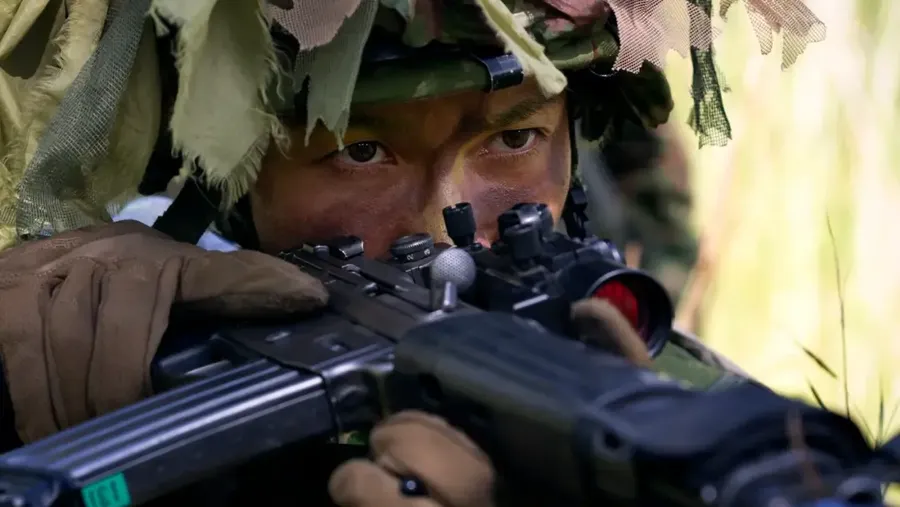
By Prodding Taiwan, Russia Takes Its Alignment With China to New Heights
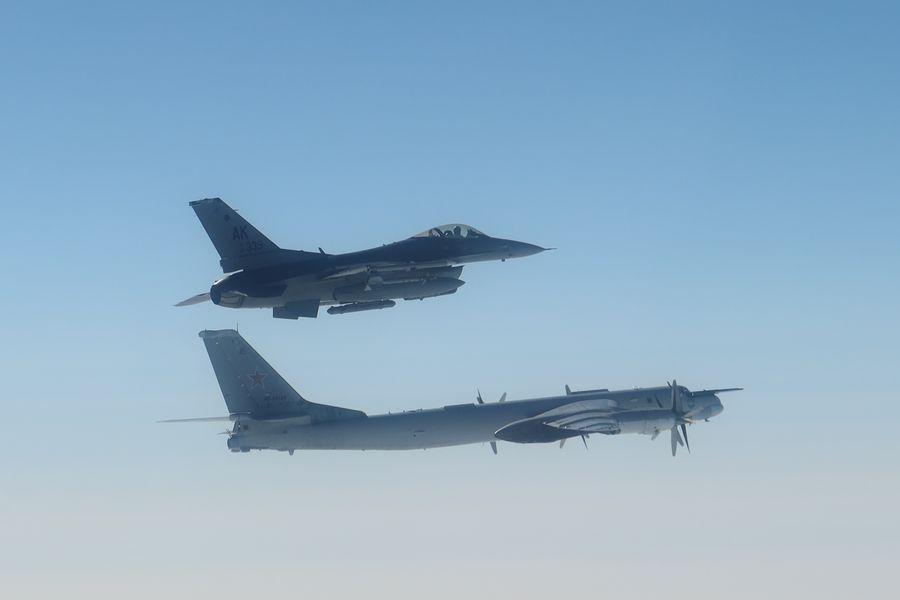
Russia continues to grow bolder in the Western Pacific, and Australia and its partners should prepare for the implications.
On 17 November, two Russian bombers carried out an East Asian excursion in which they entered the South Korean air defence identification zone (ADIZ), violated Japanese territorial airspace, and entered the Taiwanese ADIZ for the first time since 2010. This took place just days before a historic meeting between presidents Donald Trump, Vladimir Putin and Xi Jinping in Shenzhen, sending a message that Russia was willing to flex its military muscle in support of the Sino-Russian partnership in the Pacific. This and other recent aggressive regional signalling from Moscow are reminders that Russia’s participation in a war over Taiwan is plausible and that Russian grey-zone activity in the Indo-Pacific is a growing threat.
Could US Marines sustain a war with China?
Japan and the Philippines impose restrictions on U.S. operations, raising questions about wartime strikes launched from allied territory...
1w agoRead it on South China Morning PostWatch What Trump Does in Asia, Not What He Says
A defiant U.S. President enters summit season looking friendly toward Xi, but a grand bargain would reshape the region regardless. Ignore what he...
1w agoRead it on the interpreter
A Sweet American Original
By Greg Maresca • RealClearDefense
South Korea's OPCON Debate Is a Test of Alliance Readiness
By Daewon Cho • RealClearDefense
When Does Peacetime Access Become Wartime Capability?
By Alp Cenk Arslan • RealClearDefense
The Missing Seats at the Table
By Dennis T. Cosgrove • RealClearDefense
We Exported Our Arsenal Manufacturing, Now We Must Rebuild It.
By Justin Fulcher • RealClearDefense

Sign of the Times: CCAs Dominate a Major Fighter Conference
By Bill Sweetman • The Strategist (ASPI)
Marines Want Naval Strike Missiles With Double The Range
By The WarZone
U.S. Navy Targets 79 New Cutter-Based FF(X) Frigates
By A. Servaes, Global Defense
The Hegseth Grenade: A Sea Change at Newport
By Robert C. Rubel, CIMSECSign of the Times: CCAs Dominate a Major Fighter Conference
By B. Sweetman, ASPI