
U.S. Space Force
RealClear Context
Click below to continue reading this story, discover more U.S. Space Force stories from over 25 years of RealClear archives, or follow this topic to stay in the know.
Pentagon Mulls Placing Fleet of Military Satellites Around the Moon
The US military has published a Request for Information on a federal procurement website signaling interest in deploying a “proliferated cislunar...
19mins agoRead it on Ars TechnicaSpace Force Launches Mission Operations Center
“The MOC will bring together mission integration, network operations, and data transport management across a growing multi-vendor architecture,...
19mins agoRead it on DefenseScoopKey Space Force Satellites Can’t Talk to Each Other
To translate between the SpaceX-built SDN Backbone and other Pentagon communications and missile tracking satellites, sources said the Space Force is...
2d agoRead it on Breaking DefenseSpace Force Weighs Proliferated Cislunar Satellite Constellation
The Space Force is considering launching up to five satellites to cislunar space as soon as 2029 to help lay the foundation for a future proliferated...
1w agoRead it on Air & Space Forces MagazineWhen the Network Goes Dark, Who Controls the Battlefield?
The Pentagon must account for who controls access, what restrictions govern use, and whether missions can continue when those conditions change....
1w agoRead it on RealClearDefense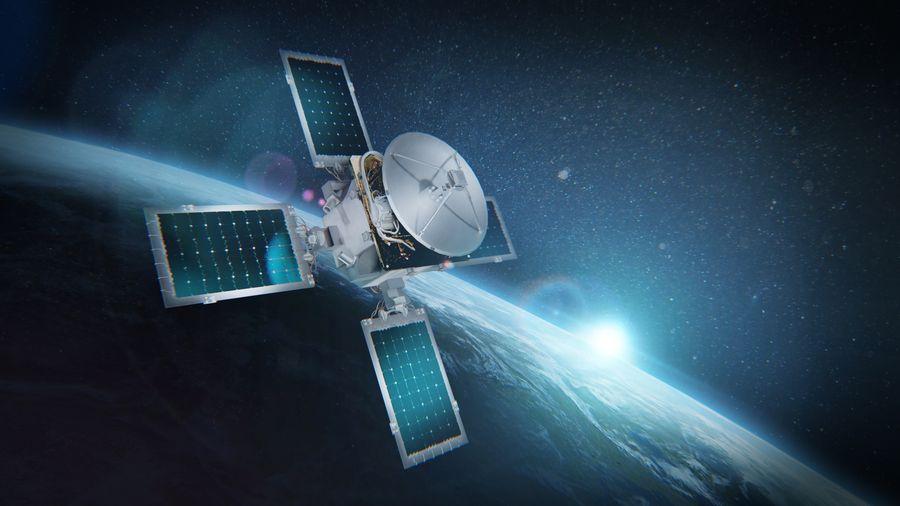
When the Network Goes Dark, Who Controls the Battlefield?
Ukraine’s military encountered an unusual vulnerability in its satellite communications this October. Certain drones equipped with Starshield terminals lost connectivity when traveling faster than 160 kilometers per hour. The equipment had not been destroyed, and the network remained operational. A service restriction prevented the terminals from maintaining their connections at higher speeds.[1]
The limitation disrupted Ukrainian drone operations, including attempts to intercept Russian drones. Ukrainian officials said the restriction appeared without warning and began discussions with SpaceX and the U.S. government to restore the affected capability. The decision-making process remains disputed. SpaceX chief executive Elon Musk has maintained that the U.S. government controls Starshield operations, while President Donald Trump denied ordering the restrictions.[1]
Inside the Pentagon, the Pressure Is On To Find a Home for a New Spaceport
Space Force considering options: public-private, federal installation, state land....
2w agoRead it on Ars TechnicaU.S. Military Gives Elon Musk’s SpaceX Access to Sensitive Tracking Data
This gives the company an advantage in tracking objects in orbit, raising national security concerns and fears of greater control over the space...
2w agoRead it on The GuardianSpace Force’s Commercial Augmentation Space Reserve (CASR) Initiative
Space Systems Command officials said the contracts are an initial step for the Commercial Augmentation Space Reserve (CASR) initiative, and don't...
2w agoRead it on Breaking Defense
The Gulf of Finland’s Forgotten Islands
By Ben Poulin • RealClearDefense
NATO’s New Spending Pledge Must Buy Real Energy Resilience
By Chuck Dockery • RealClearDefense
The Army Needs a Data Logistics Discipline Before the Next Surge
By Steve Ferenzi • RealClearDefense
2949 Marine Prisoners, Hostages, and Peacetime Governmental Detainees Since Our Corps' Founding
By Jon Couch • RealClearDefense
America Must Win the Biotech Race Against China
By Rob Maness • RealClearDefense

U.S. Air Force To Arm C-17 Cargo Aircraft With Cruise Missiles
By C. Jones, Defence Blog
How Marine Vet Ernest Langdon Became a Renowned Shooter & Gunsmith
By WATM
In First, Two CCAs Fly Air Combat Maneuvers Using Autonomy Software
By A&SF
Space Force Launches Mission Operations Center
By Jon Harper, DefenseScoop
Pentagon Mulls Placing Fleet of Military Satellites Around the Moon
By Ars Technica