
Supply Chain
RealClear Context
Click below to continue reading this story, discover more Supply Chain stories from over 25 years of RealClear archives, or follow this topic to stay in the know.
No More Foreign Boots for Our Troops
Congress has an opportunity with the bipartisan BOOTS Act to close a loophole that is undermining the domestic supply chain for military footwear –...
06/02/26Read it on RealClearDefenseDefense Chip Procurement Needs a Recovery Test
A second semiconductor factory is useful to the Pentagon only if it can deliver the component a military customer needs when the first route fails...
3d agoRead it on RealClearDefense
Defense Chip Procurement Needs a Recovery Test
A second semiconductor factory is useful to the Pentagon only if it can deliver the component a military customer needs when the first route fails. Spare fabrication capacity may still depend on an unavailable packaging plant, a specialist maintenance team, or the same transport corridor. A procurement file can show diversification while a maintenance unit faces a shortage.
An October 9 report from the Semiconductor Industry Association makes the distinction timely. It finds that 95% of the equipment and materials consumed by U.S. semiconductor producers comes from suppliers headquartered in the United States, Europe, and Japan, while those inputs are manufactured across the globe. A supplier’s headquarters can therefore give a reassuring picture of allied sourcing while leaving important production dependencies out of view.
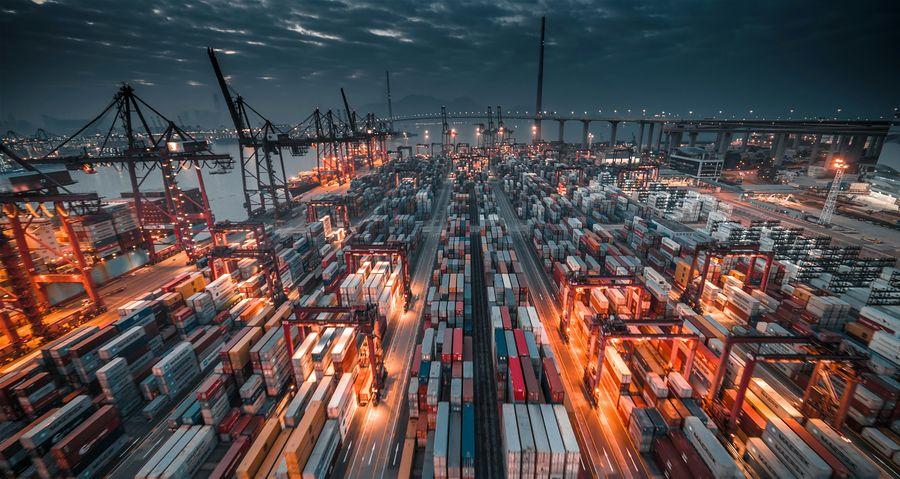
Made-in-America Won't Secure the Pentagon's Supply Chain
A defense contractor can know where a component was assembled and still have no visibility into the companies behind it. A domestic supplier may depend on an overseas manufacturer owned through entities spanning several jurisdictions. A country-of-origin designation alone can’t reveal those relationships.
Executive Order 14415 directs the Department of War to develop deeper supply-chain mapping and supplier-vetting requirements for national-security acquisitions, including greater visibility into critical materials and the financial, ownership and manufacturing risks associated with suppliers throughout the chain.
Made-in-America Won't Secure the Pentagon's Supply Chain
A defense contractor can know where a component was assembled and still have no visibility into the companies behind it.
10/06/26Read it on RealClearDefense
China's Semiconductor Bottlenecks Are Disappearing
Washington's semiconductor debate increasingly centers on the question: Can China build an extreme ultraviolet lithography machine? EUV systems are essential for producing the world's most advanced chips efficiently, and China still cannot manufacture them at scale. That constraint matters. But a strategy built around one machine risks missing the larger change underway across China's semiconductor industry. Meanwhile, making smaller chips is increasingly less important to the future of advanced semiconductors as physics constraints slow progress and advanced packaging creates a new avenue for improvement.
Beijing is steadily reducing its dependence on foreign suppliers across the broader chip supply chain. That progress is uneven, and some critical gaps will remain for years. Still, the direction is clear. China is building domestic capabilities in the equipment, materials, components and manufacturing processes needed to support a far more self-sufficient semiconductor ecosystem. Missing that key point could become a major strategic setback for the Western tech ecosystem

Logistics: One Byte at a Time
An old adage holds: bullets don’t fly without supply. Today, bullets don’t fly without bytes.
The Department of War’s fortification and digitization of its supply chains is a long overdue investment. Yet one critical element continues to lag: logistics command and control (C2).
China's Semiconductor Bottlenecks Are Disappearing
Washington's semiconductor debate increasingly centers on the question: Can China build an extreme ultraviolet lithography machine?
10/02/26Read it on RealClearDefenseLogistics: One Byte at a Time
An old adage holds: bullets don't fly without supply. Today, bullets don't fly without bytes.
10/02/26Read it on RealClearDefenseWhy the Pentagon's Drone Revolution Could Run Out of Power
The United States is making historic investments in autonomous platforms. But it is not sufficiently bolstering the battery supply chains they...
09/29/26Read it on RealClearDefenseMemory Chip Shortage Requires Investment and Teamwork
... as we build, Washington and industry need to address a fast-emerging constraint that could slow that progress and raise costs for American...
09/16/26Read it on RealClearDefense
End the Jones Act Waiver
By Mark H. Buzby • RealClearDefense
Prediction Markets Are Becoming a New Frontline for Military Operational Security
By Yang Yunke • RealClearDefense
Can Robots Bring Maneuver Warfare Back?
By Ayeza Areej • RealClearDefense
Buy Smarter, Fly More
By Jeff Kojac • RealClearDefense
Stop Gutting the Conventional Army
By R.D. Hooker, Jr. • RealClearDefense
Hung Cao Facing Contentious Confirmation To Become Navy Secretary
By Konstantin Toropin • Associated Press
U.S. Marines Expand M27 Rifle Contract
By Inder Singh Bisht
Kadena AFB Gets First F-15EX Eagle IIs
By Emily Ryan Miller, Defence BlogHung Cao Facing Contentious Confirmation To Become Navy Secretary
By AP
Fair Winds, Peacoat and Desert Camo: Navy Makes Big Changes to Seabag
By MTimes