
Saving the Defense Budget with Acquisition Reform
Last updated 01:00 AM EDT • Read time: 6m
A study titled Performance of the Defense Acquisition System 2013 was released in late June by the USD(AT&L). It is a through and comprehensive analysis of many aspects of the acquisition process, but concentrates on cost growth, schedule slippage and organizational performance in the acquisition process. Coverage ranges from 10 to 20 years so that trends can be identified. It includes hundreds of contract results and all major defense acquisition programs in the last 20 years. The comprehensive nature provides more than an adequate basis to make performance judgments, stimulate inquiry and encourage analytic thought. While each project data point on the graph is really a separate case study, the aggregation is important.
Two data presentations are especially relevant in understanding system performance. First, the report analyzes program cost growth in constant dollars and adjusted to maintain quantities at the originally planned levels. Thus quantity reductions are not savings and inflation plays no role.
In summary, it shows that median annual estimate of total program cost growth has ranged between 3 and 8% during the last decade. Some programs show a decrease in cost. That is half of the programs, a good and unexpected fact. Contractors and government managers of these programs should be commended but have been generally ignored. The Service Secretaries and the Secretary of Defense should present awards to all parties recognizing achievement in the public interest as programs leave development and enter operational units.
Then there is other half—all the problematic programs. When these are included to determine the average, cost growth rises to between 18 and 30% in the 10 annual estimates.
The median and average do not show any trend. Both series were evaluated as not statistically different over time.
Then the obvious conclusion is that all the changes in law, regulation and policy have made no difference in the last two decades. Something else has to change to control cost growth.
The dollar magnitude is large. Total major defense program costs for the current portfolio including R&D and production are about $1.7 trillion. As an estimate, take the middle of the average cost growth at 24% which converts to $330 billion cost growth to be paid over the development and production cycle. GAO estimates $400B using FY13 dollars rather than program base-year dollars. The difference is largely due to inflation. This is, in effect, a self-imposed sequestration. Since funding for major acquisitions is about $80 billion per year, it is five years funding lost. Other programs will be skipped because of this failure of requirements management and execution by both government and contractors.
This is a large number (some are sunk costs) meriting significant management effort to reverse. It seems to be complacently believed that a few Should Cost studies will remedy this. Not likely. The last few pages of the study show that cost growth is a significant part of corporate income and it will not be eliminated easily. Sales growth depends on it.
The second systematic problem is the long-term downward trend in providing systems deemed effective and suitable in operational testing.
By the time major acquisitions are in development, all competitive pressures and systems alternative have been lost through current business practices. This is a major detriment to cost control. Experience from the 1980s showed that competition reduced costs about 10% and improved the learning curve by several points. Now contractors have the projects locked in and the Service is usually unwilling to admit any mistakes. Thus evolves the annual tug of war in the procurement process as contractors try to convince auditors of prices and the procuring agency is unwilling to change specifications that have been unreasonably locked in by the Joint Requirements process.
Control and reduction of cost growth must begin with reestablishing choices, loosening the unnecessary requirements and managing the procurement and manufacturing process to focus on cost reduction.
Using the F-35 as an example, this approach would involve reestablishing competition by supporting additional F-18 stealth oriented improvements for Navy and supporting the F-15 Silent Eagle evolution as future choices. Based on the published costs, the F-15 version may be the only way the Air Force can maintain force levels. Also this approach maintains a long-term competitive base for fighter/attack aircraft. Continued failure to reduce F-35 costs may also preclude funding of a new bomber since it has been acknowledged to be outside current fiscal ceilings in the long-term aviation plan.
Other cost reduction steps within the F-35 program are also necessary. Recently published contract cost numbers seem to reflect only or even less than normal learning curve reductions expected. An overall cost analysis is required starting with G&A and continuing through all cost elements down to direct manufacturing costs. In parallel, a Skunk Works type study should be initiated for design changes and process changes for cost reduction. Testing will identify systems that have low combat value. These should be eliminated rather than attempting to make them work at any cost. Contract hassle for these changes should be eliminated. The result should be cost reduction packages to be incorporated in production. The concept of back-fitting all prior aircraft built before sensible production profiles were imposed should be trimmed to only the essential elements. Strict change control must be imposed requiring the approval of the Service Acquisition Executive.
In other programs, affordability changes will be different, but the policy should be the same. Develop competition and implement direct and indirect cost reduction changes well beyond the scope of Should Cost studies leaving nothing unexplored.
Management of this determined and focused process should be the responsibility of the Service Acquisition Executives who will have the authority to direct changes needed to restore affordability including requirements changes not affecting interoperability. Each will report monthly to the Service Secretary and USD(AT&L) on progress and challenges.
The initial goal should be $100 billion savings or 25% of the total cost growth without reducing quantities and supported by contract agreements.
The long-term aircraft and shipbuilding programs furnished Congress make it clear that current programs are unaffordable within current budget levels. Failure to manage affordability has made the situation worse. Downward budget pressure and growth of personnel costs make the problem even more difficult.
Now is the time to initiate a changed culture.
Everett Pyatt was Assistant Secretary of Navy, Procurement Executive and Acquisition Executive. He now leads the Project on Defense Management and Acquisition Leadership at the McCain Institute for International Leadership, part of Arizona State University.
From Siberia to Fairford: How Operation Spider’s Web Has Changed the Rules of Airpower
By Frank A. Rose • RealClearDefense
Faster Simulations, Better Defense Decisions
By Rut Lineswala • RealClearDefense
Will HASC Have an Oversight Subcommittee in the Next Congress?
By Christopher J. Bright • RealClearDefense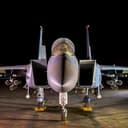
The U.S. is Overpaying for Missiles
By Alex Lee • RealClearDefense
The U.S. Nuclear Deterrent Umbrella
By Peter Huessy • RealClearDefense
From Siberia to Fairford: How Operation Spider’s Web Has Changed the Rules of Airpower
By Frank A. Rose • RealClearDefenseFaster Simulations, Better Defense Decisions
By Rut Lineswala • RealClearDefense
Bombers Could Have a Major Air-to-Air Combat Role
By Joseph Trevithick, The WarZone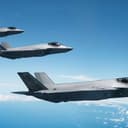
Pentagon, Lockheed Agree to 10-Year Deal for 850 F-35 Jets
By M. Scanlon, Military T.
The Marine Corps Has a Boot Problem
By Travis Pike, Sandboxx News