
Iran
RealClear Context
Click below to continue reading this story, discover more Iran stories from over 25 years of RealClear archives, or follow this topic to stay in the know.
Why Iran Escalates
Tehran's Strategy to Drive America Out of the Middle East
10/03/26Read it on Foreign Affairs
Operation Epic Fury and the Illusion of Victory
As the dust settles on the midterm elections, the American political landscape has been reshaped. Democrats have executed a sweeping victory across Congress, securing a mandate from an exhausted electorate. In the weeks since this political earthquake, Republicans are slowly beginning to acknowledge that the 2026 Iran War played a role in their widespread defeat. Yet, many within the party continue to marginalize the conflict, treating it as one of several variables that contributed to their loss. This assessment is inaccurate and ignores the reality of the American voter. The war with Iran is not a peripheral issue. It is the core catalyst for the political realignment we just witnessed.
Before the bombs fell, the administration was riding a stabilizing economy and tamed inflation—a domestic narrative strong enough to carry them through November. That advantage evaporated on February 28 with the untelegraphed launch of Operation Epic Fury. The administration made little to no attempt to garner public support beforehand, and no evidence of an imminent Iranian attack on American interests has ever been provided to the public. There was no intelligence released suggesting an impending strike that could not have been repelled by United States air defense systems. By initiating a conflict in the heart of the global energy supply chain and enforcing a naval blockade across the Strait of Hormuz, the administration triggered a spike in global crude prices. The resulting surge in domestic fuel and logistical costs functioned as a crippling tax on the American consumer, reigniting inflation and suffocating the recovery. Americans were reminded of the war's economic toll on a daily basis as they drove past gas stations, and on a weekly basis as they paid for groceries. The electorate went to the polls with empty wallets, punishing the party that traded domestic stability for an ill-explained military engagement.
U.S. Strikes IRGC Missile Launch Site on Qeshm Island
U.S. aircraft launched airstrikes against several Islamic Revolutionary Guard Corps missile launch sites on Iran’s Qeshm Island, which the United...
6h agoRead it on Washington ExaminerOperation Epic Fury and the Illusion of Victory
... amidst this display of military power, the United States lost sight of the most critical principle of war: the "objective."...
6h agoRead it on RealClearDefense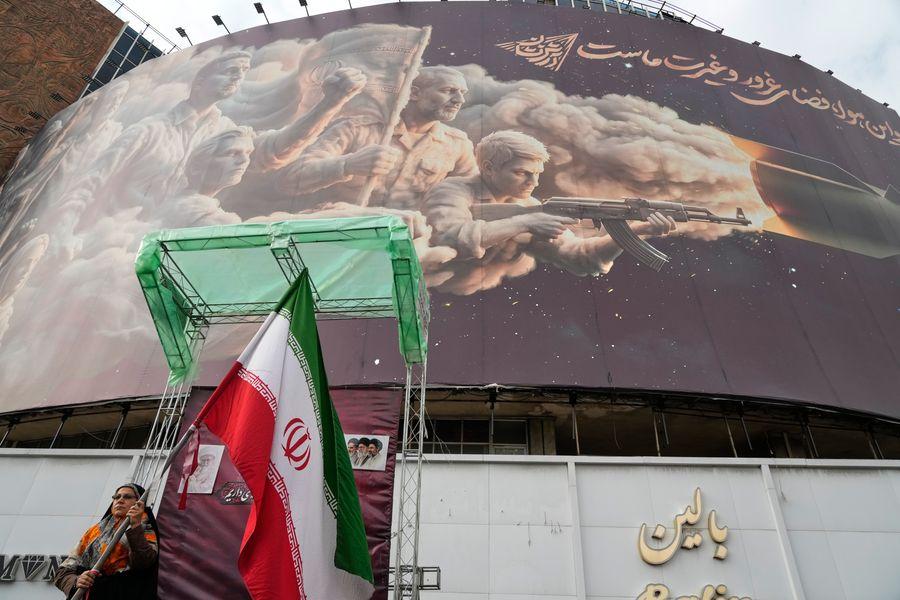
Why Iran Cannot Simply Surrender
Observers might wonder why the Islamic Republic of Iran has not yet folded. Perhaps the remaining senior leaders were hoping for a shift coming from the U.S. and Israeli elections, but their situation has been dire. Iran’s air force and navy have been laid low. Much of its leadership was eliminated by air strikes. The U.S. Navy has reduced its oil at sea to zero and the U.S. Treasury has cut off its finances around the world. History tells us that most regimes in their position would surrender. Generally, surrender requires force majeure. France in 1940, Italy in 1943, Germany in 1945, Japan in 1945—all of those surrenders required invasion, occupation, or nuclear detonations. Russia and the Ottomans in 1918, Iraq in 2003, and Libya in 2011, all of them required the loss of territory from boots on the ground before striking a deal. Only one, though, has capitulated from bombs alone, Serbia in 1999.
So what should analysts make of Iran? While not inclined to put infantry on Iranian soil, the U.S. could easily continue crushing air strikes. And yet the Iranian regime continues to actually threaten its adversaries with reprisals. How could this continue to look like a David-and-Goliath story? Is Iran somehow more resilient than the Ottomans, Germans, and Japanese facing similar odds?
U.S. Intel: Iran Developing To Potentially Detonate a Dirty Bomb in Washington
New US intelligence indicates that Iran is developing plans to target senior Trump administration officials by detonating a so-called dirty bomb or a...
1d agoRead it on CNNWhy Iran Cannot Simply Surrender
Observers might wonder why the Islamic Republic of Iran has not yet folded. Perhaps the remaining senior leaders were hoping for a shift coming from...
1d agoRead it on RealClearDefenseIran’s Nuclear and Chemical Weapons Threat
On November 12, Iran’s Assembly of Experts, the country’s highest clerical body, urged the Government to consider withdrawing from the Non...
2d agoRead it on RealClearDefenseIran’s Nuclear and Chemical Weapons Threat
On November 12, Iran’s Assembly of Experts, the country’s highest clerical body, urged the Government to consider withdrawing from the Non...
4d agoRead it on RealClearDefense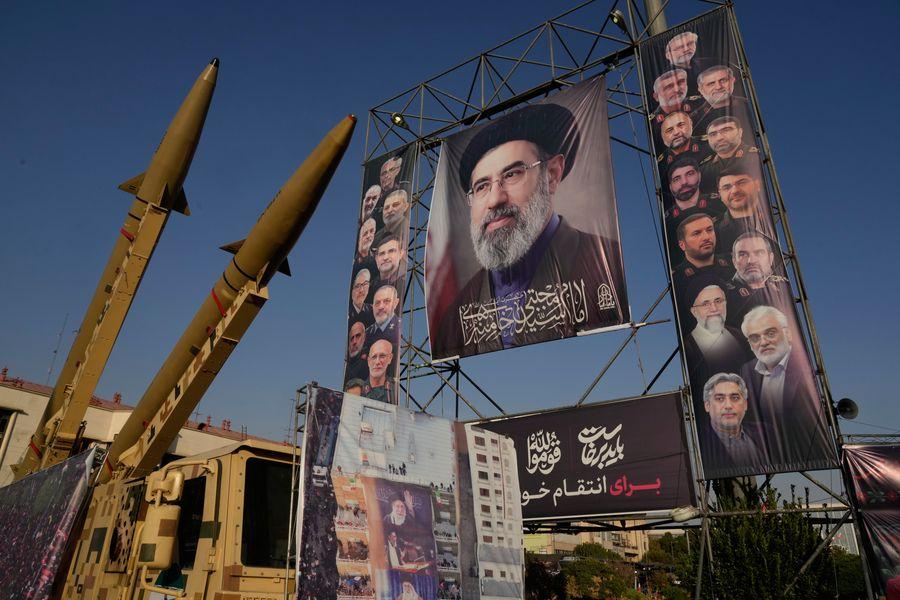
Iran’s Nuclear and Chemical Weapons Threat
On November 12, Iran’s Assembly of Experts, the country’s highest clerical body, urged the Government to consider withdrawing from the Non Proliferation Treaty, (NPT) which prohibits Iran and other non-nuclear signatories from acquiring nuclear weapons, and also prohibits existing nuclear powers from transferring nuclear weapons to other parties.
This statement represents a significant potential shift in official Iranian policy, which until now has generally been to deny that Iran intends to acquire nuclear weapons, and to claim that its current stockpile exists for civilian use only.
After the Midterms, the Right Strategy Against Iran
Keep the Strait Open, Cut Off the IRGC’s Oil Money...
6d agoRead it on RealClearDefense
Operation Epic Fury and the Illusion of Victory
By Stephen D. Cook • RealClearDefense
Previewing The Shenzen Summit: A Critical View
By Stephen Blank • RealClearDefense
How to Win Without Military Victory
By Kevin Eyer • RealClearDefense
We Keep Funding ‘Shared Infrastructure.’ Nobody Has Defined It.
By Frederick Gale • RealClearDefense
Congress Must Reauthorize Section 702 of the Foreign Intelligence Surveillance Act
By Bryce G. Poole • RealClearDefense

Five Takeaways From Navy Nominee’s Rocky Hearing
By Seligman & Weisgerber, WSJ
U.S. Air Force Taps Anduril for Containerized Launcher
By Global Defense News
Time To Say Goodbye to the NMESIS and NSM
By Marine Corps Compass Points
HII and U.S. Navy Break Ground on Shipyard Complex
By George Allison, UKDJ
Rare U.S. Air Force Spy Plane Spotted Over the Black Sea
By D. Malyasov, Defence Blog