
Maritime Strategy
RealClear Context
Click below to continue reading this story, discover more Maritime Strategy stories from over 25 years of RealClear archives, or follow this topic to stay in the know.
Iran Tests Radar-Guided Anti-Ship Ballistic Missile
Iranian and US reports have corroborated a successful test of Iran's new Hormuz-2 radar-guided anti-ship ballistic missile (ASBM) in early...
03/12/17Read it on IHS Jane's 360End the Jones Act Waiver
Do we really want to turn over control of our nation’s domestic sea transportation of vital energy and agricultural products to foreign entities –...
5d agoRead it on RealClearDefenseA Contested Mediterranean: What Role for the U.S.?
As critical infrastructure becomes increasingly vulnerable to sabotage, freedom of navigation is undermined by conflict, and energy disputes generate...
5d agoRead it on Middle East Institute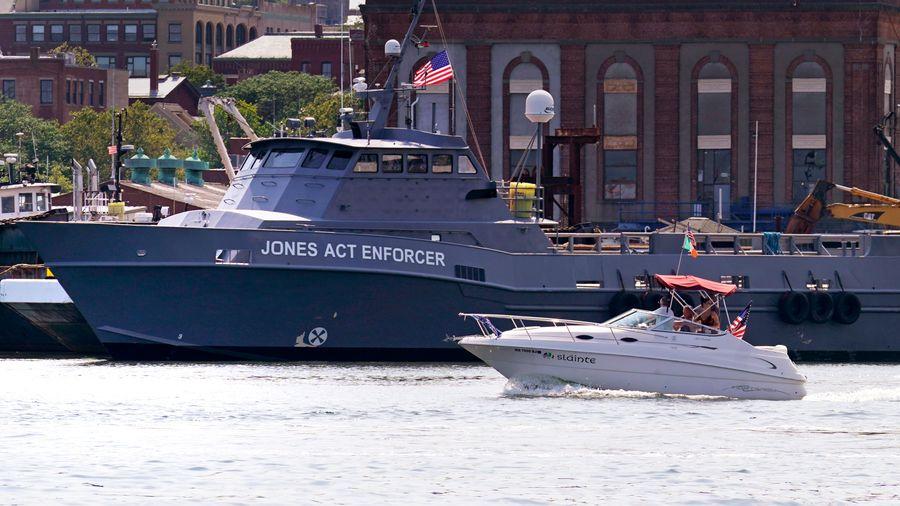
End the Jones Act Waiver
The Trump Administration has made rebuilding American maritime strength a national priority, and it is encouraging to see the progress being made thus far in new ship construction contracts and recently announced investments in new and modernized shipyards. All good, and long overdue.
But the administration is at the same time inflicting a serious wound on a vital part of our national maritime security by continuing to waive the Jones Act.
Nuclear Deterrence and the Significance of AI
Deterrence theories are essentially a composite of cognitive science and politico-military strategy. Artificial Intelligence (AI) elevates...
1w agoRead it on Global Security ReviewChinese Carrier Strike Group Drills in the Philippine Sea
The People's Liberation Army Navy Liaoning Carrier Strike Group was operating in the Philippine Sea as of Wednesday, according to a Japan Joint...
10/15/26Read it on USNI NewsThe Mother of All Cutters
Drawing a White-Hull Line in PACOM
10/15/26Read it on CIMSEC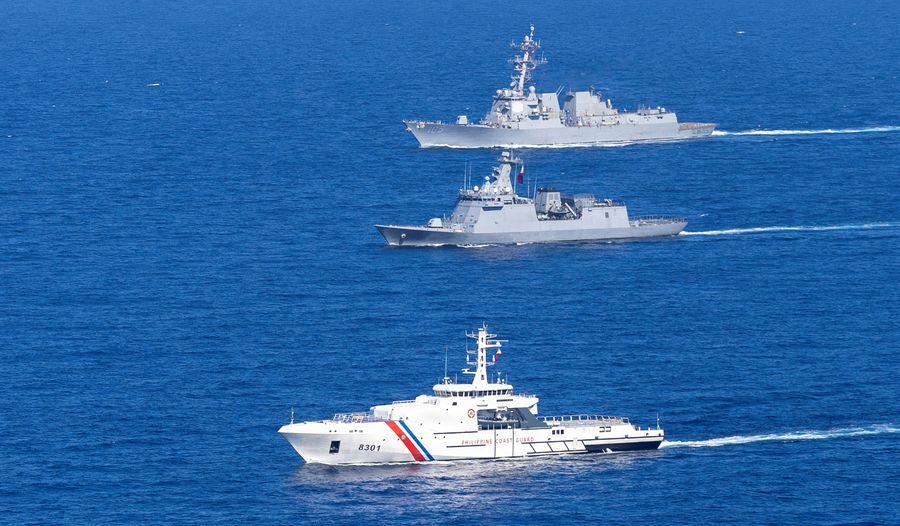
The U.S. Needs Its Own Grey-Zone Tactics in the South China Sea
Passive resistance to Beijing’s actions in the South China Sea is not working. If the United States wants to win in the region, it needs a grey-zone strategy of its own.
Beijing has spent a decade refining a playbook that stays deliberately below the threshold of armed conflict. Chinese coast guard ships ram Philippine vessels, maritime militia swarm disputed reefs, and drones shadow foreign ships. Washington’s response – patrols, joint statements and expressions of concern – has imposed few costs and changed little.
Philippine and Chinese Incidents Spike in South China Sea
Philippine and Chinese forces have dangerously engaged each other at least six times at several disputed areas
10/13/26Read it on USNI NewsThe U.S. Needs Its Own Grey-Zone Tactics in the South China Sea
Passive resistance to Beijing's actions in the South China Sea is not working. If the United States wants to win in the region, it needs a...
10/13/26Read it on The Strategist (ASPI)
Iron Raven: Remembering Colonel Joseph B. Conmy, Jr.
By Louis Marano • RealClearDefense
Stand Proud of the Force
By Jay Rogers • RealClearDefense
How a Dying Agency Turned Fentanyl Into a Weapon of Mass Destruction
By Barry Angeline • RealClearDefense
The Pressure Is the Message: What Xi and Putin Faced in Shenzhen
By Emzari Gelashvili • RealClearDefense
China’s Revised Mobilization Law and the Expanding Reach of National Defense
By Muhammad Shoaib • RealClearDefense

Marine Corps Hero Under Federal Investigation
By Laporta, Burnham & Watson, CBS
A Postmortem of Maneuver Warfare in the U.S. Marine Corps
By Donald Vandergriff
U.S. Putting Weapons in Space: A Strategic Blunder?
By Ajey Lele • RealClearDefense
U.S. Senate Seeks to Exchange Shipbuilding Funds for More Munitions
By Naval News
F-35C Completes First Launch and Recovery Trials on a Ford-Class Carrier
By Navy T.