
Maritime Strategy
RealClear Context
Click below to continue reading this story, discover more Maritime Strategy stories from over 25 years of RealClear archives, or follow this topic to stay in the know.
The BBGN Must Sail
Strip the marketing off the BBGN program and you find one thing: a 35,000-ton floating power plant with sensors and weapons bolted to the top.
08/10/26Read it on XBeware the Sycophants
The problem with sycophancy is that it prioritizes who is right, not what is right....
16h agoRead it on Military ReviewThe U.S. and its Allies Need a Collective Maritime Strategy
Military developments in the Western Hemisphere and the Persian Gulf demonstrate that the U.S. military remains a premier force with impressive...
16h agoRead it on RealClearDefense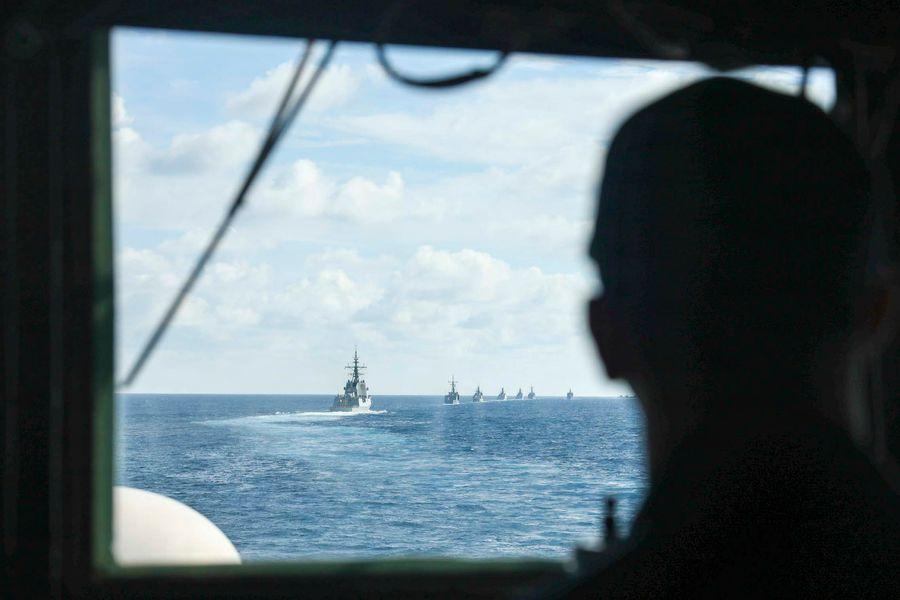
The U.S. and its Allies Need a Collective Maritime Strategy
Military developments in the Western Hemisphere and the Persian Gulf demonstrate that the U.S. military remains a premier force with impressive global reach and multi-domain capabilities. However, Washington’s protracted conflict against Tehran exhibits significant military strain stemming from extended deployments, depleted interceptor stockpiles, and a reputational crisis. This military overextension is nowhere more apparent than with the U.S. Navy, whose sailors are enduring record deployments, while naval assets remain tethered to the Gulf. The present U.S. Navy is reportedly too small to sustain long conflicts, and remaining naval capabilities are inadequate for deterrence in other theaters. In face of growing maritime ambitions by peer adversaries, the United States must produce numerical increases to its fleet to confront future naval challenges. Washington’s calls for a maritime coalition in March to reopen the Strait of Hormuz are a direct symptom of this, yet no allies heeded the call. Nonetheless, U.S. allies are dependent upon increasingly threatened sea lanes and still outsource maritime security burdens to the U.S. Navy. On a separate interconnected point, had the U.S. Merchant Marine been maintained, the Merchant Marine Act of 1936 could have been invoked to have the fleet sail into the warzone to ensure market stability and global access to Gulf resources. When holistically considered, the United States and its allies are collectively facing a naval crisis.
Although the current U.S. administration has initiated a plan to overhaul its maritime industrial base, it remains questionable if such expansive designs are truly attainable. What is thus required is not only a shift in U.S. naval strategy, but a collective Western maritime strategy that properly shares naval burdens between Washington and its partners. Western maritime security can benefit from a strategic shift spearheaded by rebalancing the U.S. Navy. Maritime-minded U.S. allies will complement this change by focusing on their comparative advantages and by increasing their aggregate shipbuilding capacities.
“We Fight Differently” Is Not a Plan
The Risk of Dismissing Ukraine’s Drone Warfare Lessons...
2d agoRead it on Modern War InstituteNuclear Threats Are Going Underground
The US Military Isn’t Prepared for Them....
4d agoRead it on The National InterestEnd the Jones Act Waiver
Do we really want to turn over control of our nation’s domestic sea transportation of vital energy and agricultural products to foreign entities –...
1w agoRead it on RealClearDefenseA Contested Mediterranean: What Role for the U.S.?
As critical infrastructure becomes increasingly vulnerable to sabotage, freedom of navigation is undermined by conflict, and energy disputes generate...
1w agoRead it on Middle East Institute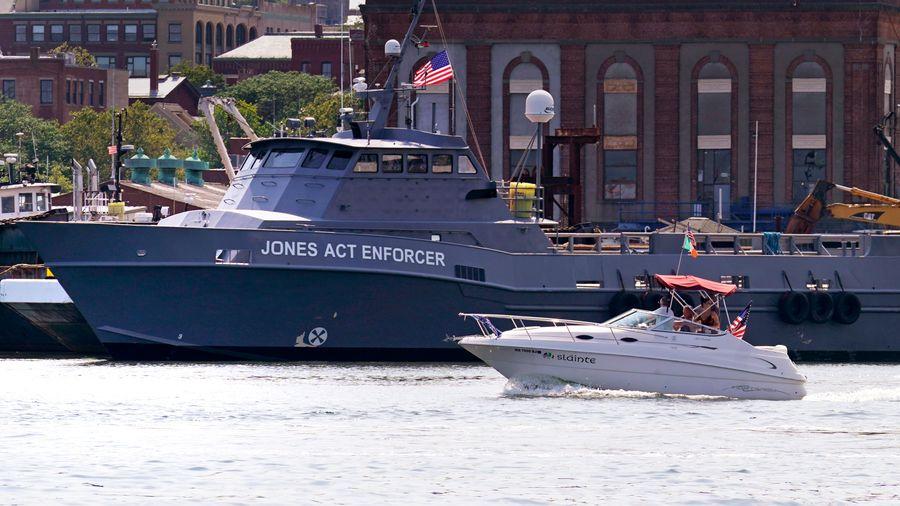
End the Jones Act Waiver
The Trump Administration has made rebuilding American maritime strength a national priority, and it is encouraging to see the progress being made thus far in new ship construction contracts and recently announced investments in new and modernized shipyards. All good, and long overdue.
But the administration is at the same time inflicting a serious wound on a vital part of our national maritime security by continuing to waive the Jones Act.
Nuclear Deterrence and the Significance of AI
Deterrence theories are essentially a composite of cognitive science and politico-military strategy. Artificial Intelligence (AI) elevates...
2w agoRead it on Global Security ReviewChinese Carrier Strike Group Drills in the Philippine Sea
The People's Liberation Army Navy Liaoning Carrier Strike Group was operating in the Philippine Sea as of Wednesday, according to a Japan Joint...
10/15/26Read it on USNI News
When the Warfighter Becomes the Sensor
By Elise G. Annett • RealClearDefense
The U.S. and its Allies Need a Collective Maritime Strategy
By Antonios Marios Giannakopoulos • RealClearDefense
Making Maneuver Great Again
By Gary Anderson • RealClearDefense
Ending the Conflict with Iran
By Anthony Cowden • RealClearDefense
Going After the Cyprus Money Laundering Hub
By Lise Korson • RealClearDefense
Making Maneuver Great Again
By Gary Anderson • RealClearDefenseMaking Maneuver Great Again
By Gary Anderson, RealClearDefense
Bandwidth as a Service for Naval Forces
By Brandan R. Schofield, CIMSEC
The Army and the Marine Corps in a Pacific War
By Van Horrick & Bancroft, MWI
Coast Guard’s Updated Force Design Plan Includes Maven Smart System
By DS