
Middle East
RealClear Context
Click below to continue reading this story, discover more Middle East stories from over 25 years of RealClear archives, or follow this topic to stay in the know.
Self-Defense or Hegemonic War?
Yonah Jeremy Bob of the Jerusalem Post and Elliot Kaufman of the Wall Street Journal have given us a journalistic account of the Israeli perspective...
11h agoRead it on ProvidenceHow Russia and China Support the Houthis
The United States and its allies need a more coordinated anti-Houthi strategy to counter a Russo-Chinese threat to the region....
1w agoRead it on The National InterestThe U.S. Can Draw Down in the Middle East Without Going Blind
Washington has good reasons to direct more attention and resources toward China and the Indo-Pacific. But treating the campaign against ISIS as...
1w agoRead it on RealClearDefense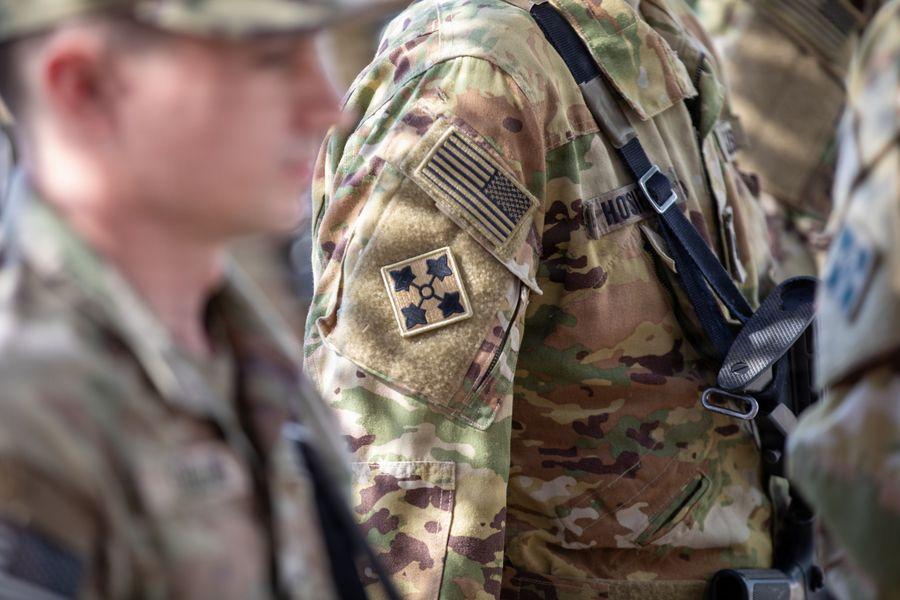
The U.S. Can Draw Down in the Middle East Without Going Blind
Washington has good reasons to direct more attention and resources toward China and the Indo-Pacific. But treating the campaign against ISIS as finished business would be a mistake. The group no longer controls cities or large stretches of territory, yet the conditions that helped it rise have not disappeared.
The immediate danger is not another ISIS army sweeping across Iraq or Syria. It is slower deterioration: local forces that remain dependent on outside support, detention facilities that cannot be secured indefinitely, and international attention moving elsewhere. Recent UN assessments continue to describe ISIS as resilient and adaptive. A future resurgence would probably begin at the margins, not with another dramatic march on Mosul.
Benjamin Netanyahu Presses Donald Trump for Renewed Strikes Against Iran
Israeli leader and U.S. president talk on phone as mediation efforts led by Qatar seek to broker interim deal between Washington and Tehran...
1w agoRead it on Financial Times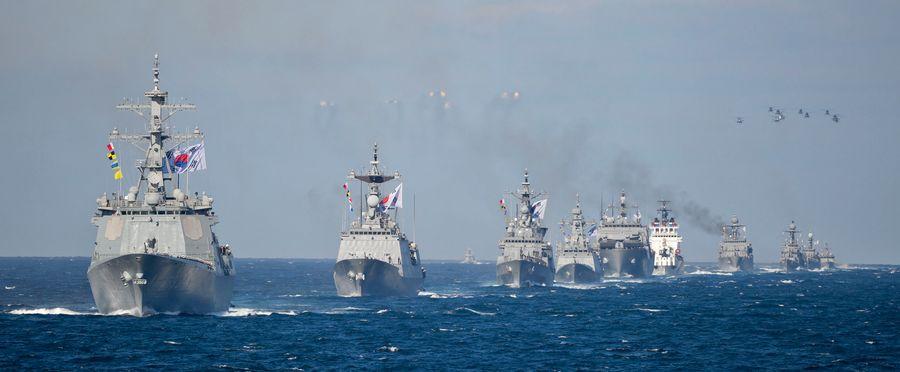
Beyond Hormuz: What Washington Should Expect from a Frontline Ally
The debate over whether South Korea should help secure the Strait of Hormuz is, at bottom, a debate about something larger: what should the United States expect from an ally whose most urgent security threat lies elsewhere?
South Korea has a clear interest in keeping international sea lanes open. As a major energy importer, it depends on the uninterrupted flow of oil and other essential goods. But it also faces a nuclear-armed North Korea across one of the world's most heavily militarized borders. Any decision to deploy military assets abroad must reckon with that reality.
What Washington Should Expect from a Frontline Ally
The debate over whether South Korea should help secure the Strait of Hormuz is, at bottom, a debate about something larger: what should the United...
1w agoRead it on RealClearDefenseA Passage to the Middle East
India's already close intelligence cooperation with Israel could become a foundation for broader work with American and European agencies....
2w agoRead it on RealClearDefense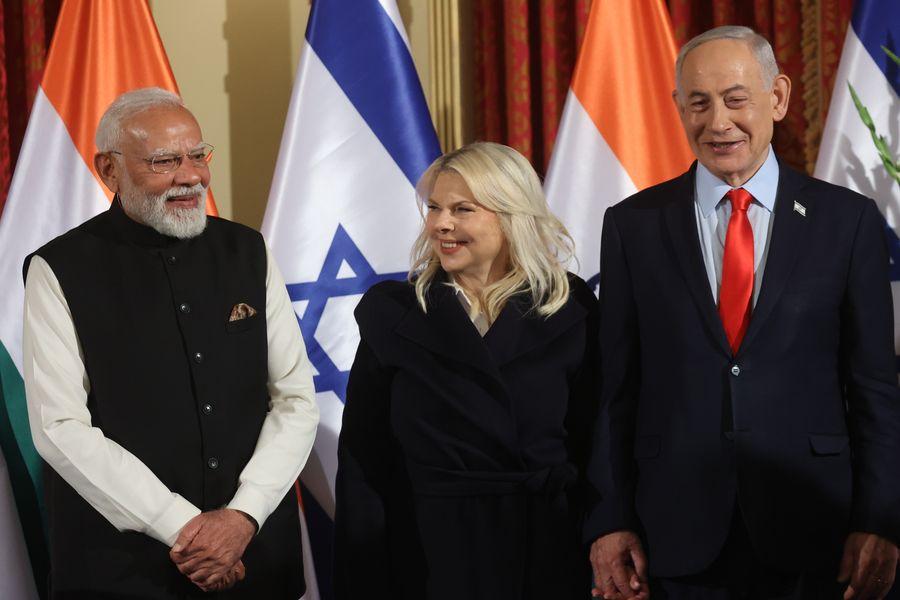
A Passage to the Middle East: India as a Mediator and Security Partner
India has spent years developing relationships with governments that frequently disagree over Middle Eastern security. It works closely with Israel on defense and intelligence, trades extensively with Saudi Arabia and the UAE, and maintains a channel to Tehran through Chabahar. Its expanding European partnerships add another set of governments with an interest in what New Delhi does next. With shipping under threat at Hormuz and Bab el-Mandeb, India has reasons to pursue a larger role in maritime security and diplomacy. That role could extend to testing competing Gaza proposals, resisting campaigns to isolate Israel, and renegotiating the India-Middle East-Europe Economic Corridor around financing and political commitments that actually exist.

The Army’s AI Cyber Defenders Need a Proven Stand-Down Order
By Gleb Tsipursky • RealClearDefense
After the Silence
By Chase Skylar DeMayo • RealClearDefense
Defense Chip Procurement Needs a Recovery Test
By Percy Yixuanchen Yu • RealClearDefense
FORTRESS America Must Measure Missions, Not Megawatts
By Burak Oktenli • RealClearDefense
After the Midterms, the Right Strategy Against Iran
By Lance Gordon • RealClearDefense
After the Silence
By Chase Skylar DeMayo • RealClearDefense
Underwater Arms Race Puts U.S. Naval Supremacy at Risk
By Tom O'Connor, Newsweek
New Facilities To Pump Out Upgraded F/A-18E/F Super Hornets
By Trevithick, WarZone
U.S. Navy Expands Tomahawk Warhead Production
By Naval News Staff, Naval News
SSN(X) Attack Boat Will be a Swift, Lethal Mothership for Undersea Drones
By USNI N.