
Military Technology
RealClear Context
Click below to continue reading this story, discover more Military Technology stories from over 25 years of RealClear archives, or follow this topic to stay in the know.
The AI Scare Is the New Y2K
A Veteran’s Perspective on Hype, Risk, and the Discipline Needed to Modernize Safely...
1d agoRead it on RealClearDefense
When the Grid Goes Down, the Mission Must Go On. Solar and Storage Can Help.
Secretary of War Pete Hegseth has set a clear standard for military readiness. Even if an adversary disables the civilian power grid, America’s bases must stay lit, its aircraft must keep flying and its command centers must remain online.
His FORTRESS America initiative calls for every major military installation to generate its own power, independent of the civilian grid. “If an adversary takes down the grid by cyberattack, by sabotage, or by any means, our bases stay lit,” Secretary Hegseth said. “Our aircraft keep flying. Our command centers never go dark.”
Where AI Is — and Isn’t — Accelerating Military Missions Today
Artificial intelligence has huge promise for the U.S. military services, but in some cases, early results haven’t lived up to the hype....
6h agoRead it on DefenseScoopWhen the Grid Goes Down, the Mission Must Go On
... America’s bases must stay lit, its aircraft must keep flying and its command centers must remain online....
6h agoRead it on RealClearDefenseThe Pentagon’s AI Rush Needs Adult Supervision
The Pentagon should explain its safeguards in terms the public can understand and trust....
1d agoRead it on RealClearDefenseNASA Announces X-70 Program, Promises More Coming
The X-70 Fractal should reach first flight within two years as a subsonic testbed for advanced flight controls and maneuvering...
1d agoRead it on Aviation WeekGeneral Atomics Joins Army-Navy Hypersonic Glide Body Production
A Quick Look at the Cheap Ways To Shoot Down Strike Drones
Militaries will have to turn to electromagnetic warfare, directed-energy weapons and passive defence to counter strike weapons, especially cheap,...
1d agoRead it on The Strategist (ASPI)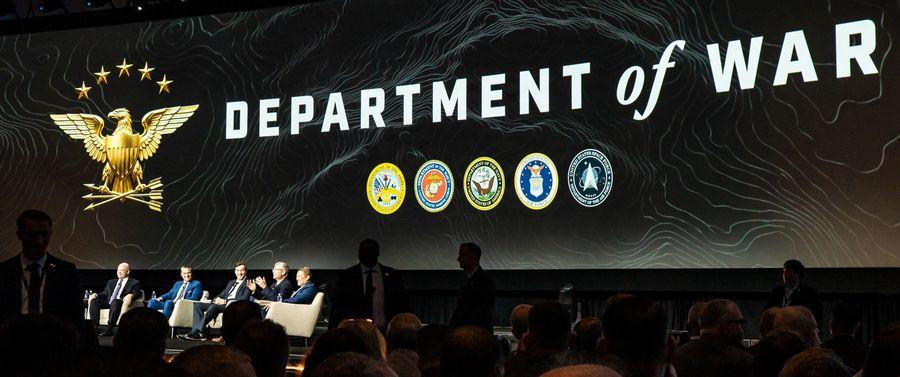
The AI Scare Is the New Y2K: A Veteran’s Perspective on Hype, Risk, and the Discipline Needed to Modernize Safely
For months, the national conversation around artificial intelligence has been dominated by fear existential risk, runaway systems, and predictions of societal collapse. It’s a familiar pattern. As a former United States Marine and a federal modernization leader, I’ve seen this cycle before. In fact, the current AI panic mirrors the atmosphere leading up to Y2K: loud predictions of catastrophe, sweeping claims of imminent failure, and a public narrative shaped more by anxiety than by disciplined technical assessment.
The truth is simpler. AI is not an extinction level threat. It is a powerful tool one that demands structured governance, rigorous engineering, and mission‑focused integration. What we are experiencing today is not a technological emergency. It is a modernization challenge, and modernization challenges are solved through disciplined execution, not fear.
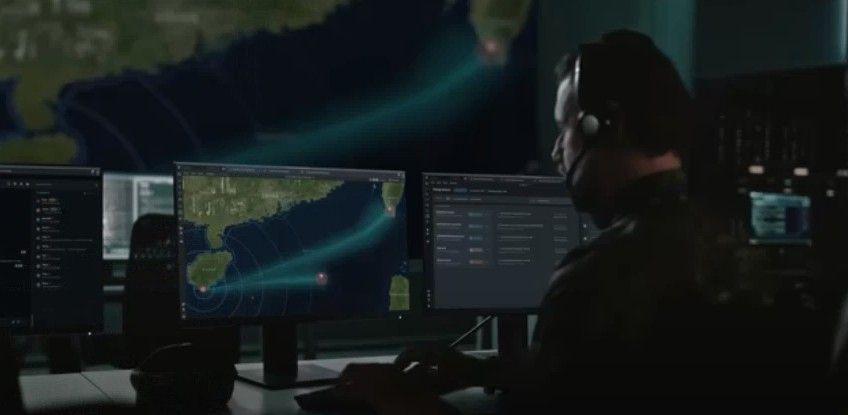
The Pentagon’s AI Rush Needs Adult Supervision
Recent news about AI inside the Pentagon shows a concern I raised in Small Wars Journal on March 30, in “Corporate AI as the Military’s Weakest Link.” The concern was ordinary people becoming too comfortable with commercial AI inside military workflows. Contractor-managed environments, excessive permissions, and informal data sharing were already reasons to slow down and examine what was being built. Putting a convenient tool into daily use changes how people behave once it becomes part of standard operating procedure. The paradox of accountability is expecting security discipline to hold while everyone gets comfortable in the warm embrace of the corporate AI industry.
According to WIRED’s October 29 report, an individual allegedly hooked their personal Claude Code account into a Pentagon system used by multiple intelligence agencies and holding sensitive, unclassified information. The agent reportedly ran for two months before the problem was identified. WIRED’s sources say it apparently sent credentials and a network map to an outside site NIST had already flagged as high risk. The individual’s employer disputes the allegations and says an independent investigation found them without merit and that it met its obligations. No classified-network compromise has been established, nor does this article say it does. This is about concern and governance, not any individual company or incident.

Don’t Be Swayed by Tactical Nukes
By Benjamin Giltner • RealClearDefense
How Seoul’s Break With Kyiv Serves Trump’s Russia Turn
By Sang Won Pyo • RealClearDefense
When the Grid Goes Down, the Mission Must Go On. Solar and Storage Can Help.
By John Szoka • RealClearDefense
Data and Communications Technology are the Hidden Keys to Success for Golden Dome
By Eric Velte • RealClearDefense
The Dual Threat: Why Beijing’s Collapse Is Just As Dangerous as Its Rise
By Efraín Vázquez-Vera • RealClearDefense

USS Stout Loses Power During Port Visit Due to ‘Engineering Casualty’
By USNI News
Air Force Lessons Learned From Operation Epic Fury
By Tabitha Reeves, National Defense
Marines Need Nine More Amphibious Warships To Carry Out Its Missions
By TWZ
AFRL, ACC Fly XQ-67A Drone To Test Autonomous Teaming
By Airforce Technology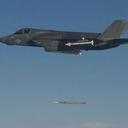
F-35B Releases Meteor BVRAAM for the First Time
By Parth Satam, The Aviationist