
Terrorism
RealClear Context
Click below to continue reading this story, discover more Terrorism stories from over 25 years of RealClear archives, or follow this topic to stay in the know.
The Grim Arithmetic of a Just War
Gettysburg, Hiroshima, Gaza—great numbers of people must die before a conflict can be resolved.
05/03/24Read it on The Wall Street JournalThe New Epicenter of Global Terror
How Africa’s Weak States and Rare Earths Drive Transnational Extremism...
1d agoRead it on Foreign AffairsCounterterrorismConvergence in Homeland Security and Homeland Defense
U.S. homeland security and homeland defense activities are converging. Perhaps nowhere more so than in counterterrorism....
2d agoRead it on RealClearDefense
Counterterrorism and the Growing Convergence in Homeland Security and Homeland Defense
U.S. homeland security and homeland defense activities are converging. Perhaps nowhere more so than in counterterrorism.
America rebuilt its national security architecture after 9/11. Since then, it has institutionalized interagency collaboration, and it has developed proficient techniques that disrupt terrorist plots and attacks further upstream. More recently, the country has rebalanced counterterrorism budgets toward other security priorities. This comes as the shifting threat environment – including the terrorist designation of cartels and transnational criminal organizations – is imposing new strains on a lean legacy architecture.
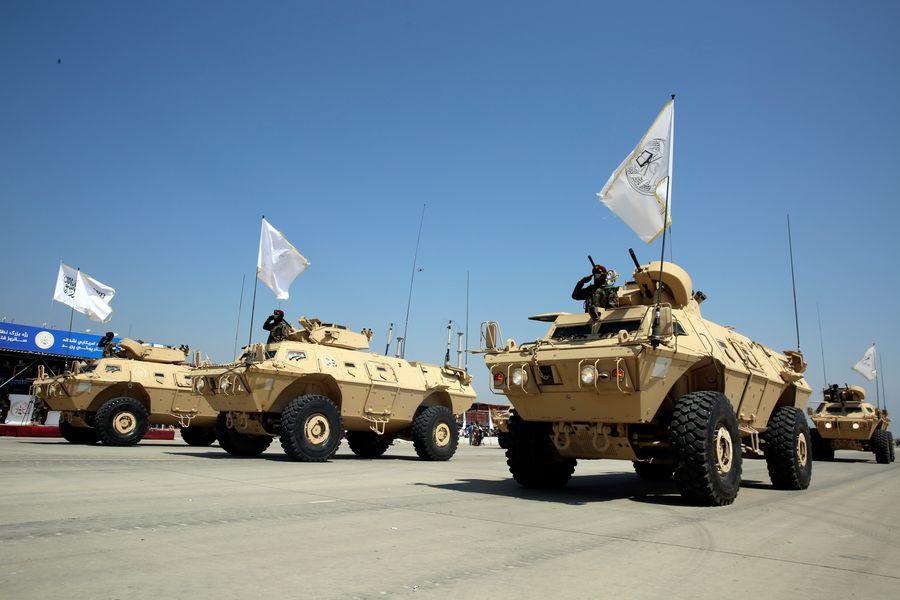
Washington Cannot Ignore Afghanistan’s Weapons Legacy
A war may end with a military withdrawal, but its weapons can continue fighting long after the soldiers have gone. Five years after the United States withdrew from Afghanistan, American-supplied rifles, night-vision devices, and other military equipment have appeared in the hands of militants attacking Pakistan. Weapons intended to strengthen Afghan security forces are now improving the capabilities of armed groups operating across the border. America's longest war ended in 2021, but its security consequences did not.
Washington cannot reverse its withdrawal, but it can address the weapons proliferation that followed. Tracing American-origin arms, strengthening counterterrorism intelligence cooperation with Pakistan, and disrupting trafficking networks offer a practical response. These measures would not require another military intervention. They would help contain a threat that affects regional stability and American counterterrorism interests.
Why U.S. Airstrikes Are Failing to Stop the Global Cocaine Boom
Smugglers are shifting routes and using new tactics to evade military targeting, resulting in record supplies, plunging prices and high purity in...
10/14/26Read it on The Wall Street JournalThe Rocky Path to Prosecuting Terror
The 9/11 attacks were not a standalone
10/14/26Read it on The Washington Free Beacon
Entebbe and the Genesis of U.S. National Counterterrorism
Appropriately, several fine articles have remembered this year’s 50th anniversary of the Israeli Defense Force’s successful rescue of more than one hundred Israeli hostages from the jaws of terrorists aided by Uganda’s reprehensible Idi Amin. But none have noted, to my knowledge, the connection between this worldwide attention-grabbing event and the awakening of official Washington to the need for a national counterterrorism (CT) capability.
As the heroic FlyDubai Flight 1073 in-flight incident reminds civilized societies everywhere, successful, manly ad hoc valor certainly is inspiring, lifesaving, and heart-warming—yet such can in no way substitute for the maintaining of national CT forces capable of responding to larger scale, sophisticated terror attacks.
Entebbe and the Genesis of U.S. National Counterterrorism
As the heroic FlyDubai Flight 1073 in-flight incident reminds civilized societies everywhere, successful, manly ad hoc valor certainly is...
10/13/26Read it on RealClearDefense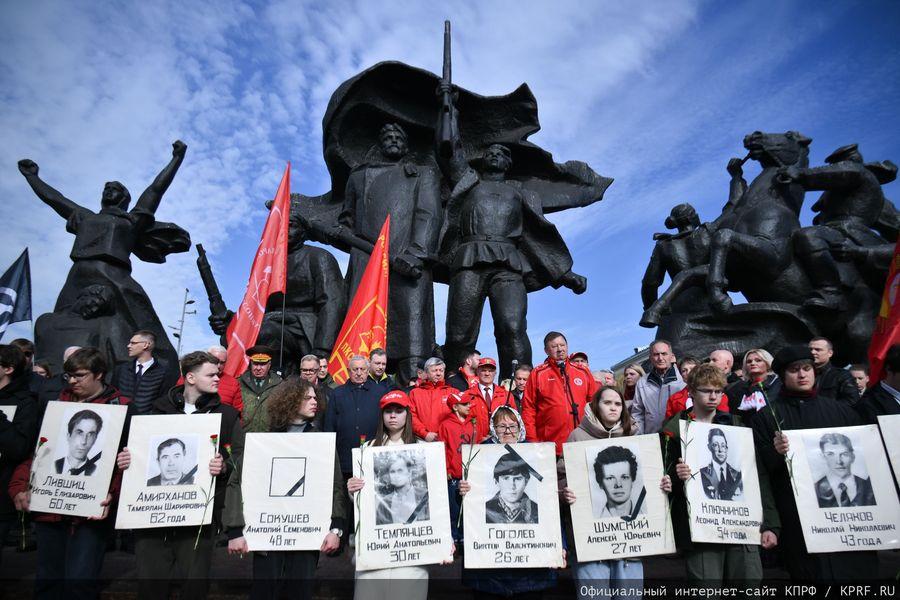
An Asymmetry of Existential Fear
Twenty-five years ago, nineteen men brought down two towers in lower Manhattan and launched a war the United States is, in some sense, still fighting. This year's 9/11 anniversary has produced the usual retrospectives on Afghanistan, Iraq, and the sprawling counterterror apparatus constructed in their wake. But the American war on terror was not the only one of its kind. Within its own borders, largely against its own citizens, in the same era, Russia fought its own war on terror: one that is all too often ignored in the American reckoning with its struggle.

The Gulf of Finland’s Forgotten Islands
By Ben Poulin • RealClearDefense
NATO’s New Spending Pledge Must Buy Real Energy Resilience
By Chuck Dockery • RealClearDefense
The Army Needs a Data Logistics Discipline Before the Next Surge
By Steve Ferenzi • RealClearDefense
2949 Marine Prisoners, Hostages, and Peacetime Governmental Detainees Since Our Corps' Founding
By Jon Couch • RealClearDefense
America Must Win the Biotech Race Against China
By Rob Maness • RealClearDefense
U.S. Air Force To Arm C-17 Cargo Aircraft With Cruise Missiles
By C. Jones, Defence Blog
How Marine Vet Ernest Langdon Became a Renowned Shooter & Gunsmith
By WATM
In First, Two CCAs Fly Air Combat Maneuvers Using Autonomy Software
By A&SF
Space Force Launches Mission Operations Center
By Jon Harper, DefenseScoop
Pentagon Mulls Placing Fleet of Military Satellites Around the Moon
By Ars Technica