
Military Strategy
RealClear Context
Click below to continue reading this story, discover more Military Strategy stories from over 25 years of RealClear archives, or follow this topic to stay in the know.
How to Kill a Multidomain Task Force
Over the past decade, the Army has taken the multidomain task force from whiteboard concept to operational centerpiece, emerging as one of the...
03/28/26Read it on Modern War InstituteThe Necropolitics of the Wasteland
The Strategic Obsolescence of Clausewitzian Occupation in the Twenty First Century...
27mins agoRead it on RealClearDefenseDo American Forces in the First Island Chain Deter or Invite War?
After the deterrence failure that led to the Korean War, the United States recognized the necessity of forward presence to prevent war....
27mins agoRead it on Modern War Institute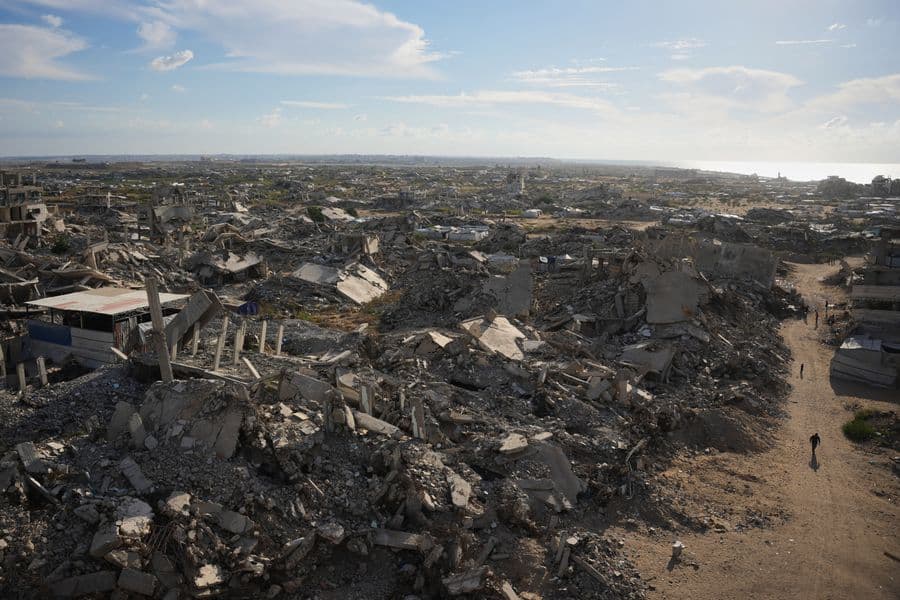
The Necropolitics of the Wasteland
Modern power can increasingly control an adversary’s resilience through remote warfare. Therefore, occupation is no longer necessary to impose and sustain a chosen reality and has become a strategically inefficient model of victory.
The U.S. Nuclear Deterrent Umbrella
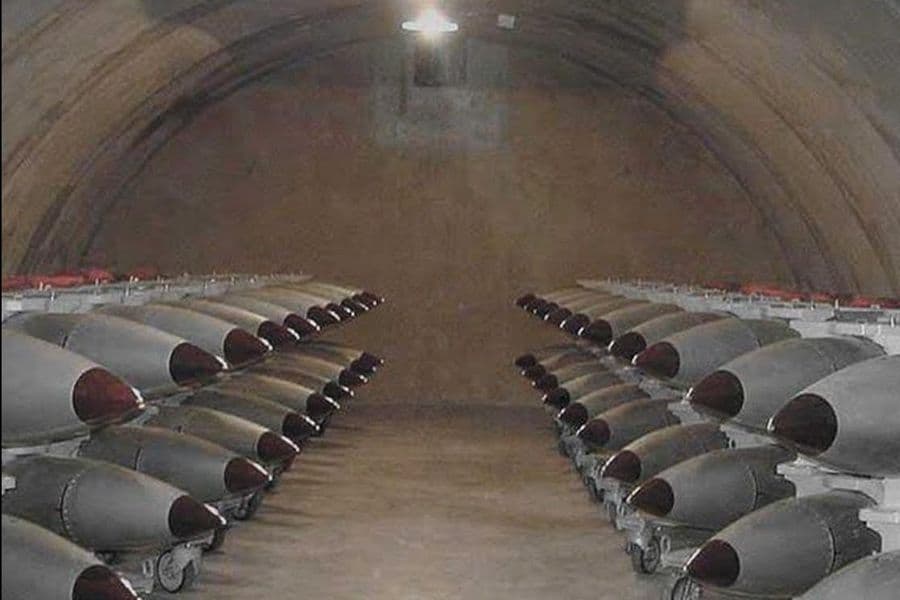
The Commander of the U.S. Strategic Command, ADM Rich Correll, recently described the strategic environment as more complex than at any point in his lifetime. He explained that future military capabilities must account for five major threat vectors: cyber, counter-space, the contested electromagnetic spectrum, novel missile systems and the supply chain. As the Admiral well knows, being the military commander of our nuclear deterrent, these vectors come at us within the context of an overarching nuclear weapons environment that gathers less attention than it should and is more dangerous than is appreciated.
The current legacy U.S. nuclear deterrent is being modernized as it is 40-70 years old. However, important assessments have warned that while critically necessary the program of record is not adequate to fully protect our future security. The current strategic balance could become even more dangerous than it is today unless, for example, the conclusions of the 2023 Strategic Posture Commission are taken seriously. The SPC confirmed that nuclear weapons play a key and central role in the current geostrategic environment in which we find ourselves. But the Commission also concluded the 2010 and 2022 nuclear posture reviews assumed a relative benign future environment, that the U.S. and its allies could significantly lessen the role of nuclear deterrence in our security, highlight cooperative work with Russia and China, and work to prevent the further spread of nuclear weapons, particularly to terror groups.
The U.S. Nuclear Deterrent Umbrella
The current strategic balance could become even more dangerous than it is today unless, for example, the conclusions of the 2023 Strategic Posture...
5d agoRead it on RealClearDefenseIs Mission Command Dead?
How Transparent is the Modern Battlefield?...
6d agoRead it on Warfare Mastery InstituteFour Principles to Lift the Academic Fog Around War
When evaluating how technological changes affect the conduct of warfare, caution is essential....
6d agoRead it on The National InterestChecklist for Modern Conflict Readiness
Modern security environments are characterized by rapidly evolving threats that can shift from covert pressure to open conflict with minimal...
1w agoRead it on RealClearDefense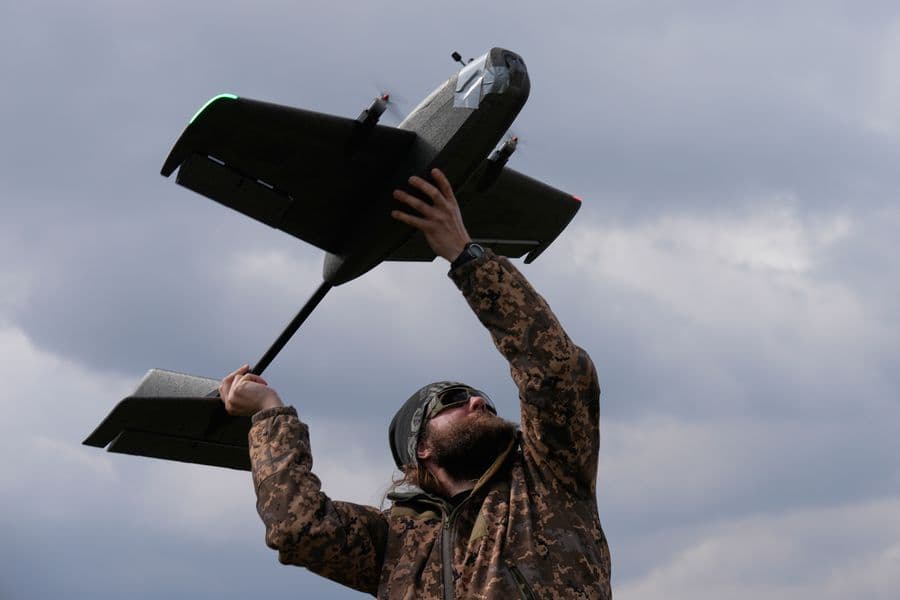
Checklist for Modern Conflict Readiness
Modern security environments are characterized by rapidly evolving threats that can shift from covert pressure to open conflict with minimal indicators of escalation. Ensuring strategic readiness requires a framework that enables timely decision‑making, resilience of critical infrastructure, coordinated action among allies, and the ability to mobilize national resources without delay. The structure presented in this document provides a concise outline of priority directions; it does not represent the sequence in which these measures must be implemented, as many of them can be pursued simultaneously depending on available resources and operational priorities. Each direction can be expanded into detailed planning guidance for both individual states and coalitions of states, forming a unified basis for preparing for potential large‑scale conflict and countering covert escalatory behavior.
When Presidents Fight the Last War
In Bryan Groves’s laudable exposition, he focuses on one of the toughest problems facing an American president: when to escalate or terminate a...
1w agoRead it on Military Review
A Passage to the Middle East: India as a Mediator and Security Partner
By Irina Tsukerman • RealClearDefense
South China Sea is Key to Invigorate Positive U.S.–Malaysia Relations
By Brent D. Sadler • RealClearDefense
The Necropolitics of the Wasteland
By Yunus Emre Tumen • RealClearDefense
AI, Robotics, and Marines
By Gary Anderson • RealClearDefense
The Emerging SQUAD
By Muhammad Shoaib • RealClearDefense
AI, Robotics, and Marines
By Gary Anderson • RealClearDefense
AUKUS Partners Test Autonomous Maritime Systems
By Jangoulun Singsit, Naval Tech
AUKUS: USS Colorado Announced as First Submarine for SRF – West
By USNI News
Navy, Marine Corps Simulate Ship Strikes From Air and Land
By Alex Wilson, S&S
Air National Guard To Stand Up a New Special Tactics Squadron
By Patty Nieberg, T&P