
North Atlantic Treaty Organization (NATO)
RealClear Context
Click below to continue reading this story, discover more North Atlantic Treaty Organization (NATO) stories from over 25 years of RealClear archives, or follow this topic to stay in the know.
NATO Emergency Talks After Russian Missiles Hit Poland
NATO’s top decision-making body will meet Monday to discuss Russian missiles that crashed in Poland, while the U.S. general in charge of allied...
Just nowRead it on Stars and StripesSvalbard
Frost, Starlight and Future Flashpoint?...
1w agoRead it on BID Magazine
NATO’s New Spending Pledge Must Buy Real Energy Resilience
Ukraine has shown that the power grid, fuel network, and people who keep them running are part of the battlefield.
When NATO leaders agreed at The Hague in 2025 to a new defense investment target, the headline was 5 percent of GDP. But one of the most consequential parts of that commitment sits outside traditional military spending: up to 1.5 percent of GDP for critical infrastructure, networks, civil preparedness, resilience, innovation, and the defense industrial base.
NATO’s New Spending Pledge Must Buy Real Energy Resilience
Ukraine has shown that the power grid, fuel network, and people who keep them running are part of the battlefield....
1w agoRead it on RealClearDefenseNATO’s New Defense Plan Would Mean Strikes Deep Inside Russia
Commanders say precise long-range weapons are core to deterring Moscow from attacking the alliance...
2w agoRead it on The Wall Street Journal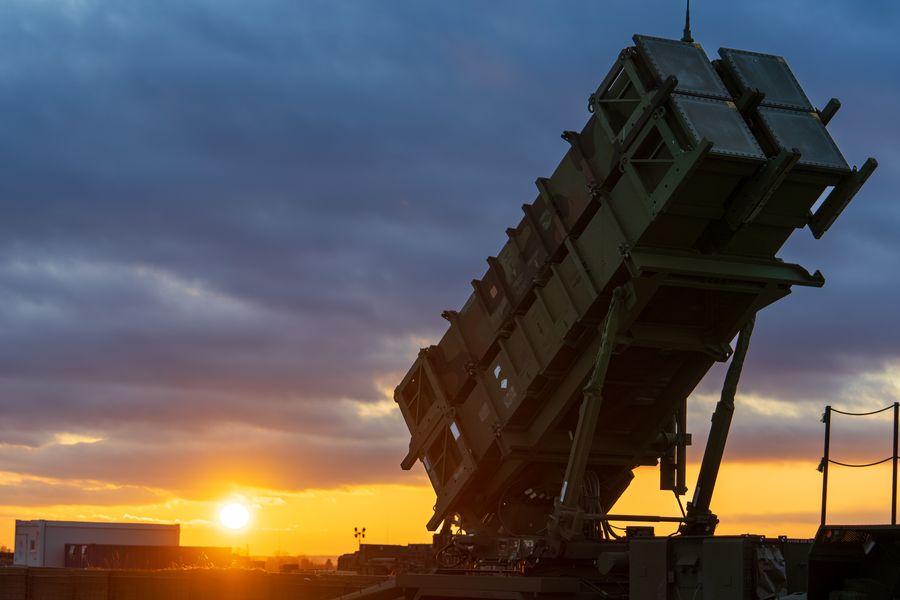
Patriot Delays Force a New Air Defense Doctrine on NATO’s Eastern Flank
Expected delays in U.S. Patriot deliveries to Poland have exposed a critical vulnerability in NATO’s reliance on traditional Foreign Military Sales for high-end air defense. Coupled with the unsustainable cost-exchange ratio of firing multi-million-dollar interceptors at cheap Russian drones, frontline states are pivoting from off-the-shelf procurement to localized industrial co-production of low-cost counter-UAS networks. If Washington wants to maintain its defense market dominance in Central Europe, U.S. primes must urgently establish joint manufacturing and maintenance hubs on allied soil.
At this week’s Warsaw Security Forum, two seemingly separate announcements revealed a structural shift in how NATO’s frontline states plan to defend their skies. On Tuesday, just as a senior Polish military commander warned that scheduled deliveries of U.S.-made Patriot air defense systems to Poland are expected to face delays, Polish Defense Minister Władysław Kosiniak-Kamysz issued a blunt ultimatum to international defense primes: future contracts depend on establishing manufacturing and maintenance facilities inside Europe. Hours later, Norwegian defense group Kongsberg answered that call, unveiling a $51 million investment to build a new counter-drone production plant in northern Poland.
Patriot Delays Force a New Air Defense Doctrine on NATO’s Eastern Flank
Expected delays in U.S. Patriot deliveries to Poland have exposed a critical vulnerability in NATO’s reliance on traditional Foreign Military Sales...
3w agoRead it on RealClearDefenseNATO May Redeploy Anti-Drone Defenses As Attacks Sink Black Sea Shipping
Suspected Russian drones have sunk or damaged 5 ships near Bulgaria and Romania....
10/20/26Read it on Ars TechnicaNATO Exercise Cobra Warrior Flies More than 900 Sorties
Around 1,800 personnel from the United Kingdom, Germany, Italy, the Netherlands and the United States took part.
10/15/26Read it on UK Defence Journal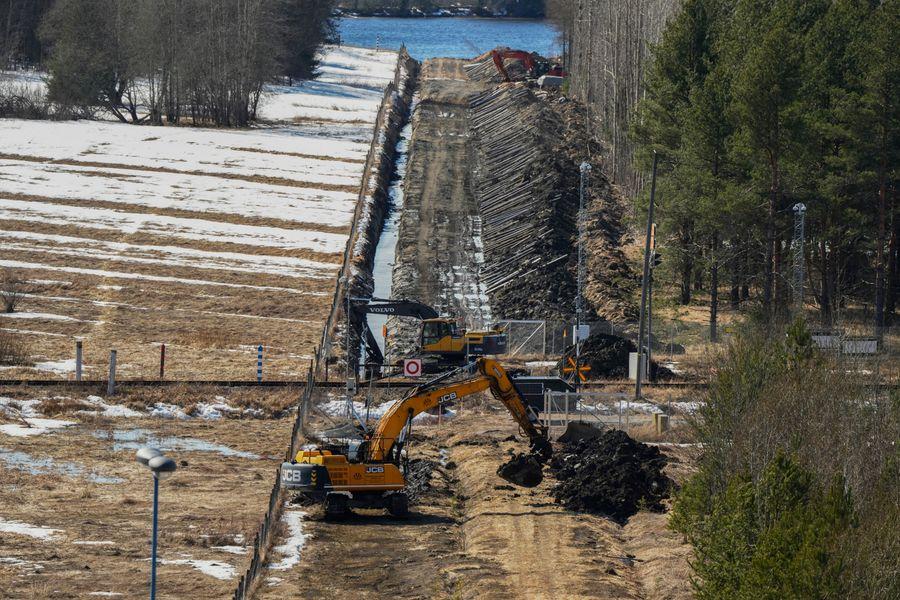
Bogged Down
In the first century AD, two Roman centurions searching for sources of the Nile were halted by enormous marshes where the water was difficult to traverse even by small boat. The Sudd of present day South Sudan is a maze of channels, floating vegetation, mud and seasonally changing water, creating a formidable barrier even to this day. The account captures a durable strategic truth: sometimes the most effective obstacle is not a wall, but the ground itself.
Nearly two millennia later, NATO members are revisiting the same principle. Finland, Lithuania, Latvia and Poland are exploring ways to use environments as part of national defense. Their terrain-shaping measures include restoring selected landscapes, strengthening natural obstacles, narrowing an attacker’s choices and making geography work are becoming part of a larger defense-in-depth system.

Batteries Can Power a Win for America in Super Intelligence
By Manisha Singh • RealClearDefense
Poland’s Fighter Fleet Is Growing: Can Its Training System Keep Up?
By Bruce Allen Lubbering • RealClearDefense
Why Iran is Not Vietnam
By Kevin Brown • RealClearDefense
Closing the Missile (Defense) Gap
By Jason Camilletti • RealClearDefense
Part of a Larger Secret, Hidden World
RealClearDefense
Closing the Missile (Defense) Gap
By Jason Camilletti • RealClearDefense
U.S. Navy Prepares for Third Zumwalt Hypersonic Upgrade
By C. Johnston, Naval N.
Pearl Harbor Hero Doris Miller Will Stay Namesake of CVN-81
By Mongilio, USNI News
Navy CCA Plans Will Not Wait For F/A-XX Next Generation Fighter
By The WarZone
Navy’s Shipbuilding Plan Would Require Massive Hike in Appropriations
By BrDef