
North Korea's Special Operations Capabilities
Published Aug. 23, 2018 • Read time: 3m
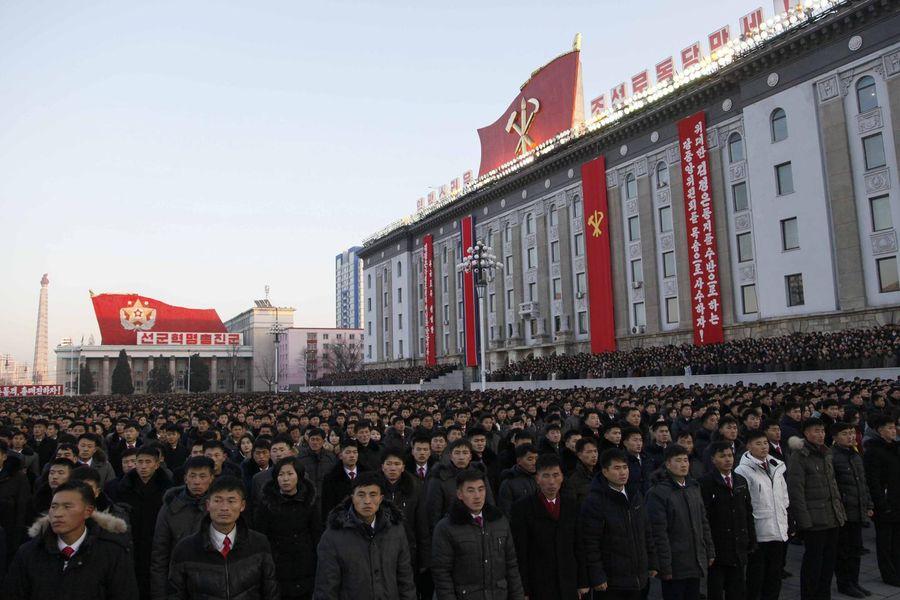
A Malaysian judge ruled last week that there is sufficient evidence to continue the trial of two female suspects in the assassination of Kim Jong Nam, the elder half-brother of North Korean leader Kim Jong Un. While it is imperative to hold the assassins accountable, the murder of the elder Kim underscores North Korea’s potent intelligence and special operations capabilities.
To plan the assassination, North Korean operatives had to spot, assess, and recruit the defendants, one from Vietnam and the other from Indonesia. They also had to train these foreign agents to carry out the assassination with a chemical agent that could have injured or killed the assassins as well as the target. The operation was well planned, as indicated by the tracking of Kim Jong Nam’s movements.
Defense attorneys argued at trial that the defendants believed they were merely playing a prank on their target as part of a television show. The judge found this argument unpersuasive, yet if North Korean operatives carried out the assassination with unwitting proxies, their skills are indeed quite good.
The deadly VX agent used in the assassination also required testing to ensure it could be administered in the right dose without harm to the operators. Scientists who defected from North Korea have reported how the regime tests its chemical and biological agents on human targets. This is an important illustration of how the regime’s human rights atrocities and crimes against humanity are inseparable from its aggression and provocations abroad.
Russian help would make North Korea’s missile-test flurry worse news
North Korea Launches 2 Ballistic Missiles and Dials Up Pressure on the U.S.
What's Behind Seoul's Olive Branch to Pyongyang?
Seeking a New Normal on the Korean Peninsula
The assassination of Kim Jong Nam likely drew on Pyongyang’s regional and global networks dedicated to illicit financial activities, intelligence gathering, as well as covert action and special operations. The Kim Jong Nam assassination sends a message to North Korean escapees and enemies around the world that the regime can find and hurt them.
While Malaysia has put the elder Kim’s assassins on trial, there are at least four North Korean suspects who fled Malaysia the morning of the assassination and have not been arrested. It does not appear the Malaysian authorities were willing to pursue them due to diplomatic friction with North Korea. Instead, Malaysia has been pursuing closer ties with Pyongyang, after the downturn provoked by the February 2017 assassination. For example, Malaysia re-opened its embassy in North Korea shortly after the June 12 Singapore Summit. Such gestures have a cost, since North Korea routinely exploits diplomatic status to conduct operations ranging from illicit finance, counterfeiting and drug trafficking, to violent covert action such as occurred in the Kuala Lumpur airport.
The assassination of Kim Jong Nam was not simply a family feud. It illustrates the effectiveness of North Korea’s intelligence and special operations capabilities, the fear it has of threats to the regime and what it is willing to do to protect Kim Jong Un. Even as nuclear diplomacy with the North continues, Washington should continue to persuade its allies and partners across the globe to monitor closely all of Pyongyang’s diplomatic personnel, as well as North Korean nationals who may pose as students or businessmen to advance regime objectives.
David Maxwell, a 30-year veteran of the United States Army and former Special Forces colonel, is a senior fellow at the Foundation for Defense of Democracies. Follow him on Twitter @davidmaxwell161.
Follow FDD on Twitter @FDD. FDD is a Washington-based, nonpartisan research institute focusing on national security and foreign policy.
This article appeared originally at Foundation for Defense of Democracies (FDD).

Iron Raven: Remembering Colonel Joseph B. Conmy, Jr.
By Louis Marano • RealClearDefense
Stand Proud of the Force
By Jay Rogers • RealClearDefense
How a Dying Agency Turned Fentanyl Into a Weapon of Mass Destruction
By Barry Angeline • RealClearDefense
The Pressure Is the Message: What Xi and Putin Faced in Shenzhen
By Emzari Gelashvili • RealClearDefense
China’s Revised Mobilization Law and the Expanding Reach of National Defense
By Muhammad Shoaib • RealClearDefense

Marine Corps Hero Under Federal Investigation
By Laporta, Burnham & Watson, CBS
A Postmortem of Maneuver Warfare in the U.S. Marine Corps
By Donald Vandergriff
U.S. Putting Weapons in Space: A Strategic Blunder?
By Ajey Lele • RealClearDefense
U.S. Senate Seeks to Exchange Shipbuilding Funds for More Munitions
By Naval News
F-35C Completes First Launch and Recovery Trials on a Ford-Class Carrier
By Navy T.