
Supporting South Korea's Nuclear Submarine Aspirations
Published June 18, 2024 • Read time: 5m

Supporting South Korea’s Nuclear Submarine Aspirations: A Strategic Imperative for the U.S.
The geopolitical landscape of East Asia is increasingly characterized by rising tensions, particularly due to the assertive posture of North Korea and China. Amid this dynamic, South Korea’s ambition to develop a nuclear-powered submarine (SSN) capability has garnered significant attention. The United States' support for this aspiration can be understood through a confluence of strategic, operational, and diplomatic factors that underscore the mutual benefits for the U.S.-ROK alliance and regional stability.
Strategic and Operational Benefits of SSNs
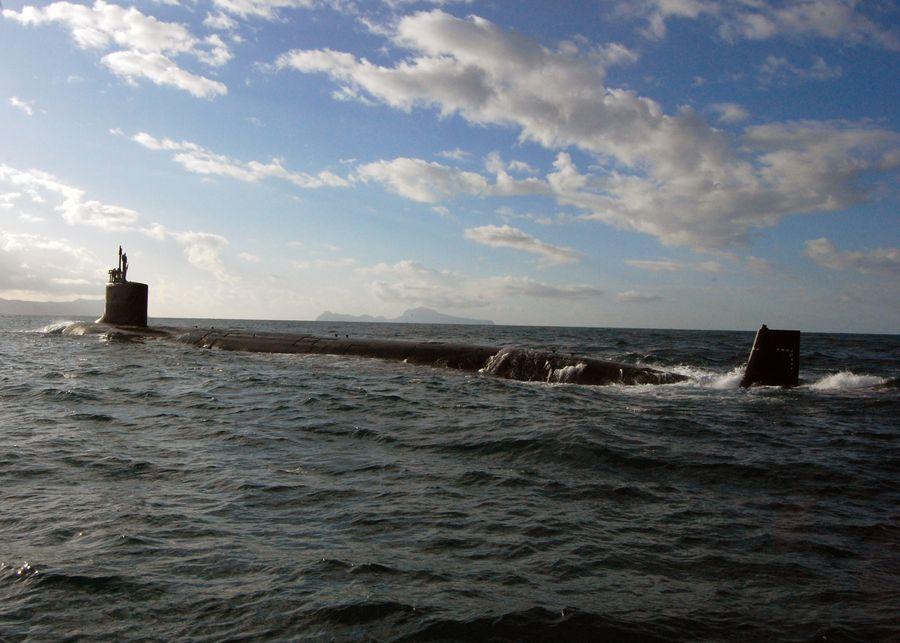
Nuclear-powered submarines offer several strategic and operational advantages over their conventional counterparts. These include extended underwater endurance, higher speeds, and enhanced stealth capabilities. Such features are crucial for South Korea’s defense posture for several reasons. First, SSNs can remain submerged for prolonged periods without surfacing, providing a persistent presence in contested waters. This endurance is vital for surveillance, intelligence gathering, and maintaining a deterrent posture against adversaries like North Korea and China. Second, with higher speeds, SSNs can quickly reposition in response to emerging threats or crises. This agility allows for more dynamic and flexible military operations, enhancing South Korea’s ability to protect its maritime interests and respond to potential provocations. Third, the stealth capabilities of SSNs make them less detectable by enemy forces. This survivability ensures that South Korea can maintain a credible second-strike capability, a critical component of deterrence in a region where missile threats are prevalent. Finally, SSNs can serve as force multipliers, supporting a variety of missions including anti-submarine warfare (ASW), anti-surface warfare (ASuW), and special operations. Their versatility enhances the overall operational effectiveness of South Korea’s navy.
Russian help would make North Korea’s missile-test flurry worse news
North Korea Launches 2 Ballistic Missiles and Dials Up Pressure on the U.S.
What's Behind Seoul's Olive Branch to Pyongyang?
Seeking a New Normal on the Korean Peninsula
Strengthening the U.S.-ROK Alliance
Supporting South Korea’s SSN aspirations can significantly bolster the U.S.-ROK alliance, promoting greater cohesion and interoperability. By enabling South Korea to field a more capable and survivable submarine force, the U.S. enhances the overall deterrence posture of the alliance. A robust ROK submarine capability complicates adversaries’ strategic calculations, contributing to regional stability. Moreover, collaborating on SSN development allows for the exchange of advanced naval technologies and operational tactics. This knowledge transfer not only improves South Korea’s capabilities but also fosters deeper military-to-military ties and operational synergy between U.S. and ROK forces. Additionally, by supporting South Korea’s advanced military capabilities, the U.S. can promote a more balanced distribution of defense responsibilities within the alliance. This burden-sharing approach can lead to more sustainable and resilient security arrangements. Lastly, U.S. support for South Korea’s SSN program sends a strong message of commitment to regional allies and adversaries alike. It underscores the U.S. dedication to upholding the security of its allies in the face of evolving threats.
Contributions to Regional Stability and Relations with AUKUS
South Korea’s SSN program also has broader implications for regional stability and can complement initiatives like the AUKUS (Australia, United Kingdom, United States) security pact. The introduction of South Korean SSNs adds a significant strategic counterbalance to the growing naval capabilities of China and the persistent threat from North Korea. This balance is crucial for maintaining a stable security environment in the Indo-Pacific region. The AUKUS pact, which includes a significant focus on enhancing submarine capabilities, particularly SSNs, can be synergistic with South Korea’s aspirations. Coordinated efforts and shared technological advancements among AUKUS members and South Korea can lead to a more integrated and formidable regional security architecture. Furthermore, supporting South Korea’s SSN program can foster greater multilateral security cooperation. By encouraging collaboration and interoperability among regional allies, the U.S. can strengthen collective security mechanisms, contributing to a more robust regional security framework.
Obstacles and Strategies to Overcome Them
Despite the clear benefits, several obstacles could hinder South Korea’s pursuit of SSNs. Addressing these challenges requires a strategic approach. Developing SSNs involves significant technological and industrial challenges, including nuclear reactor design, miniaturization, and integration. To overcome these, South Korea can leverage technological cooperation and knowledge transfer from experienced partners like the U.S. and AUKUS members. Moreover, SSN development must align with international non-proliferation norms and treaties. South Korea can address these concerns by ensuring transparency in its program and adhering to stringent safeguards to prevent nuclear proliferation. Additionally, the development of nuclear-powered submarines can trigger political and diplomatic sensitivities, particularly with neighboring countries. To mitigate this, South Korea should engage in proactive diplomacy, clearly communicating its defensive intentions and commitment to regional stability. Finally, the financial burden of developing and maintaining SSNs is substantial. South Korea can manage these costs through phased development, international partnerships, and leveraging dual-use technologies that benefit both military and civilian sectors.
Conclusion
Supporting South Korea’s nuclear submarine aspirations aligns with the strategic interests of the United States, reinforcing the U.S.-ROK alliance and contributing to regional stability. The operational advantages of SSNs, combined with the potential for enhanced military cooperation and burden sharing, present a compelling case for U.S. support. Furthermore, integrating South Korea’s capabilities with broader initiatives like AUKUS can foster a more cohesive and resilient regional security architecture. By addressing technological, non-proliferation, diplomatic, and economic challenges through strategic cooperation and transparent communication, the U.S. and South Korea can navigate the path toward a strengthened and more secure alliance in the Indo-Pacific region.
Jihoon Yu is a research fellow at the Korea Institute for Defense Analyses. Jihoon was the member of Task Force for South Korea’s light aircraft carrier project and Jangbogo-III submarine project. He is the main author of the ROK Navy’s Navy Vision 2045. His area of expertise includes the ROK-US alliance, the ROK-Europe security cooperation, national security, maritime security, and maritime strategy. He earned his MA in National Security Affairs from the US Naval Postgraduate School and PhD in Political Science from Syracuse University.

Iron Raven: Remembering Colonel Joseph B. Conmy, Jr.
By Louis Marano • RealClearDefense
Stand Proud of the Force
By Jay Rogers • RealClearDefense
How a Dying Agency Turned Fentanyl Into a Weapon of Mass Destruction
By Barry Angeline • RealClearDefense
The Pressure Is the Message: What Xi and Putin Faced in Shenzhen
By Emzari Gelashvili • RealClearDefense
China’s Revised Mobilization Law and the Expanding Reach of National Defense
By Muhammad Shoaib • RealClearDefense

Marine Corps Hero Under Federal Investigation
By Laporta, Burnham & Watson, CBS
A Postmortem of Maneuver Warfare in the U.S. Marine Corps
By Donald Vandergriff
U.S. Putting Weapons in Space: A Strategic Blunder?
By Ajey Lele • RealClearDefense
U.S. Senate Seeks to Exchange Shipbuilding Funds for More Munitions
By Naval News
F-35C Completes First Launch and Recovery Trials on a Ford-Class Carrier
By Navy T.