
Iran
RealClear Context
Click below to continue reading this story, discover more Iran stories from over 25 years of RealClear archives, or follow this topic to stay in the know.
Russia and Iran Have 'Supercavitating Torpedoes'
Both Iran and Russia claim to have supercavitating torpedoes—but what are they?SupercavitationSupercavitating torpedos are rocket-propelled and...
06/26/21Read it on 1945Iran Threatens Wider Strikes on Economic and Civilian Targets if U.S. Attacks
Tehran retains missile and drone stockpiles; Washington is trying to move more servicemembers and diplomatic staff out of harm’s way...
3d agoRead it on The Wall Street JournalU.S., Israel Weigh New Iran Strikes
Increased attacks on commercial shipping in the Strait of Hormuz persisted this week as the U.S. and Israel reportedly were preparing for renewed...
4d agoRead it on Stars and Stripes
The Islamic Republic Can Lose the War and Still Win
The military campaign launched by the United States and Israel against Iran on February 28—and which remains ongoing—has yet to produce a strategic victory.
The Islamic Republic remains in power. The nuclear issue is unresolved, and Iran retains sufficient missile capabilities and regional proxies to destabilize the region and prolong the conflict. Washington has no clear strategy for ending this war on terms that could plausibly be described as a victory.
The Islamic Republic Can Lose the War and Still Win
A stalemate would not leave peace in America’s wake. It would leave behind the conditions for future wars....
5d agoRead it on RealClearDefenseDiplomats Race to Head Off Escalation With Iran
Efforts to revive talks come as the U.S. sends more warships and Israel plans for attacks...
5d agoRead it on The Wall Street JournalStrike First: Israel's Inevitable Doctrine for the Iranian Axis
An assumption never re-examined becomes a blind spot, as the Agranat Commission found after 1973....
6d agoRead it on RealClearDefense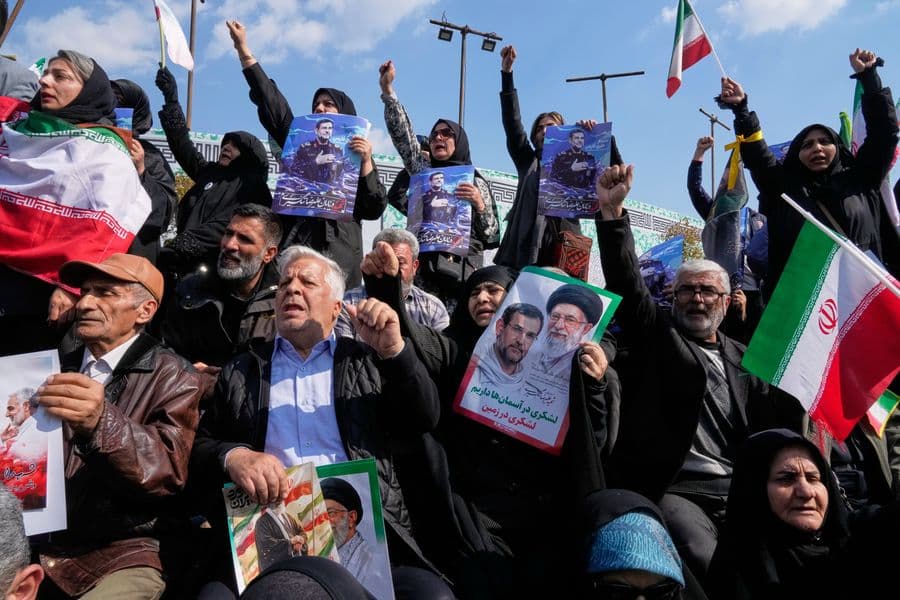
Strike First: Israel's Inevitable Doctrine for the Iranian Axis
On October 7, 2023, Hamas carried out the deadliest day for Jews since the Holocaust, with some 1,200 people killed, most of them civilians brutally murdered, and 251 taken hostage. Israel held the attack plan more than a year in advance, and three months before the attack a veteran signals-intelligence analyst warned that Hamas was rehearsing it. Both were dismissed under the conception that Hamas was deterred, a failure the Israel Defense Forces' own investigations later confirmed. The response came in fragments, and it was heroic in them, from an all-female tank crew to reservists who drove south. Three years later, no state commission has been convened.
Why Data Centers Have Become Military Targets
Attacks on data centers in the Gulf, Russia and Ukraine are opening a new front in war, threatening AI and the services people rely on most....
1w agoRead it on TimeTrump Administration Mulls Using 'Mother of All Bombs' Against Iran
The U.S. military is reportedly considering using what has been described as the "mother of all bombs"...
1w agoRead it on Military.com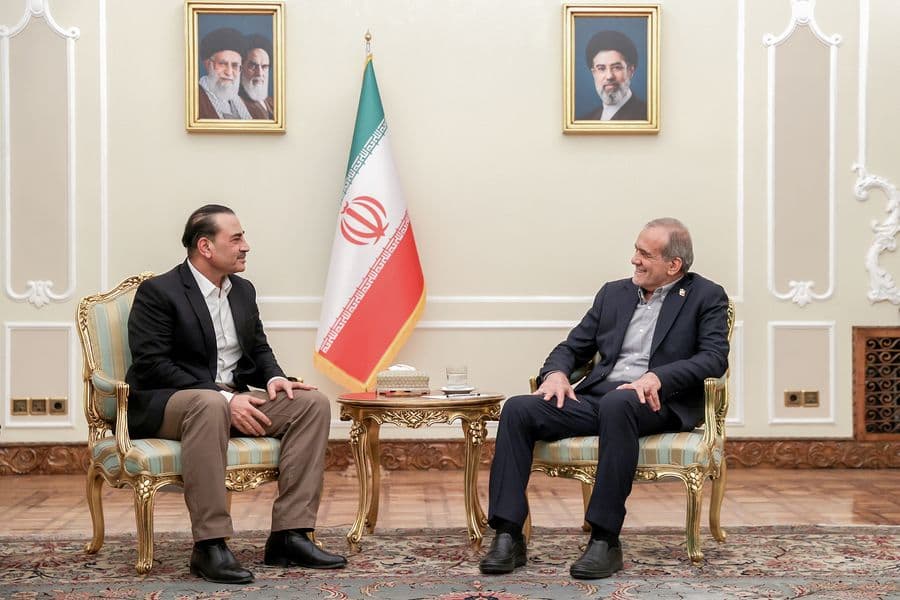
Lost in Mediation: Why Pakistan Is the Wrong Messenger to Tehran
Washington may finally have Iran under the kind of sustained pressure that months of negotiations failed to produce. Renewed U.S. sanctions, restrictions on Iranian financial and commercial networks, pressure on oil revenues, and the cumulative economic costs of war have narrowed Tehran’s room for maneuver. Iran tried to push those costs outward through restrictions on the Strait of Hormuz, raising expenses for shipping, Gulf exporters, insurers, and Asian energy consumers. Gulf producers and commercial operators have adapted sufficiently to keep substantial volumes moving, eroding Tehran’s ability to turn maritime disruption into the economic stranglehold it sought. Serious negotiations may resume after the U.S. midterms, giving Washington an opportunity to convert accumulated economic pressure into Iranian concessions. The previous negotiating process repeatedly converted pressure into pauses before Tehran had paid the political and economic price Washington was trying to extract.
Pakistan is the wrong country to entrust with converting that pressure into practical next steps. Islamabad needs a workable relationship with Tehran for its own economic and security interests, while Iran possesses several ways to make deterioration painful for Pakistan. American sanctions obstruct Pakistani plans for Iranian energy and expanded trade. Confrontation threatens Balochistan and could force Islamabad to divert security resources toward an already unstable frontier. Pakistan’s Makkah defense commitments to Saudi Arabia at least theoretically expose it to Iranian support for the Houthis, making Iranian restraint valuable to Islamabad regardless of what Tehran gives Washington. China, Pakistan’s indispensable strategic partner, purchases Iranian petroleum and wants reliable Gulf energy flows. Pakistan’s military leadership has also used mediation to rebuild its political relevance in Washington by presenting access to Tehran as a valuable diplomatic asset. These interests have consistently pushed Islamabad toward de-escalation at precisely the point when sustained pressure had the potential to force Iran into harder choices.

A Passage to the Middle East: India as a Mediator and Security Partner
By Irina Tsukerman • RealClearDefense
South China Sea is Key to Invigorate Positive U.S.–Malaysia Relations
By Brent D. Sadler • RealClearDefense
The Necropolitics of the Wasteland
By Yunus Emre Tumen • RealClearDefense
AI, Robotics, and Marines
By Gary Anderson • RealClearDefense
The Emerging SQUAD
By Muhammad Shoaib • RealClearDefense
AI, Robotics, and Marines
By Gary Anderson • RealClearDefense
AUKUS Partners Test Autonomous Maritime Systems
By Jangoulun Singsit, Naval Tech
AUKUS: USS Colorado Announced as First Submarine for SRF – West
By USNI News
Navy, Marine Corps Simulate Ship Strikes From Air and Land
By Alex Wilson, S&S
Air National Guard To Stand Up a New Special Tactics Squadron
By Patty Nieberg, T&P