
China
RealClear Context
Click below to continue reading this story, discover more China stories from over 25 years of RealClear archives, or follow this topic to stay in the know.
America Must Win the Biotech Race Against China
The United States has spent decades building military capabilities designed to deter conflict and respond to crises. But military power alone cannot...
4h agoRead it on RealClearDefense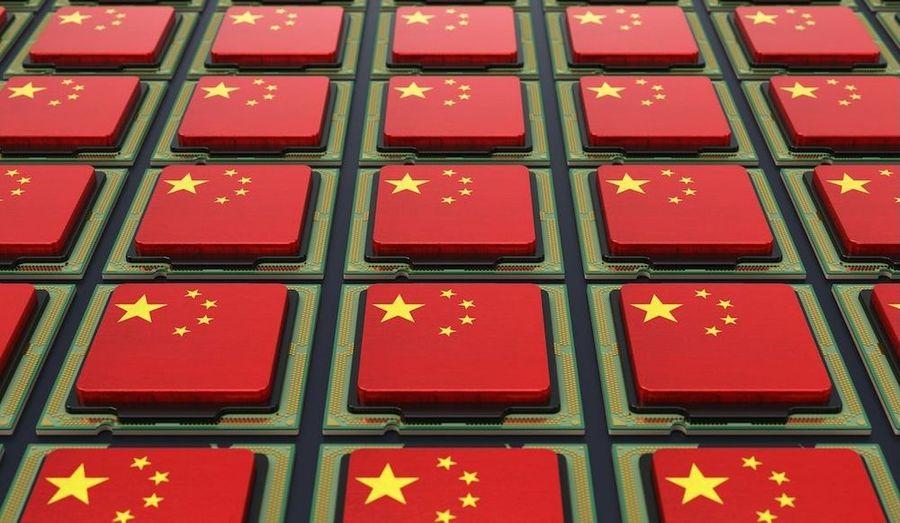
China’s Epic Campaign To Steal America’s Secrets
China’s efforts, both legal and illegal, to acquire America’s intellectual property (IP) have long been a central theme in the U.S.–China relationship. A new book, The Great Heist: China’s Epic Campaign to Steal America’s Secrets, by David R Shedd and Andrew Badger, both formerly of the U.S. Defense Intelligence Agency, offers a welcome and up-to-date forensic analysis of the issue.
The authors cite the FBI estimate of IP theft (mainly by China) which has cost the U.S. economy up to U.S. $600 billion (A$860 billion) a year over the past decade. Industrial espionage has been a driving catalyst for the rise of China, even if other factors have also played a role. According to some estimates China may already have a technological edge against the United States. ASPI’s Critical Technology Tracker estimates that China now publishes the most high-impact research in 69 of the 74 technologies tracked, with the U.S. leading in the remaining five.
Is the PLA Rehearsing To Keep U.S. Forces Out of a Taiwan Conflict?
More than 100 vessels have been reported in the western Pacific and South China Sea but no large-scale drill has been announced...
4h agoRead it on South China Morning Post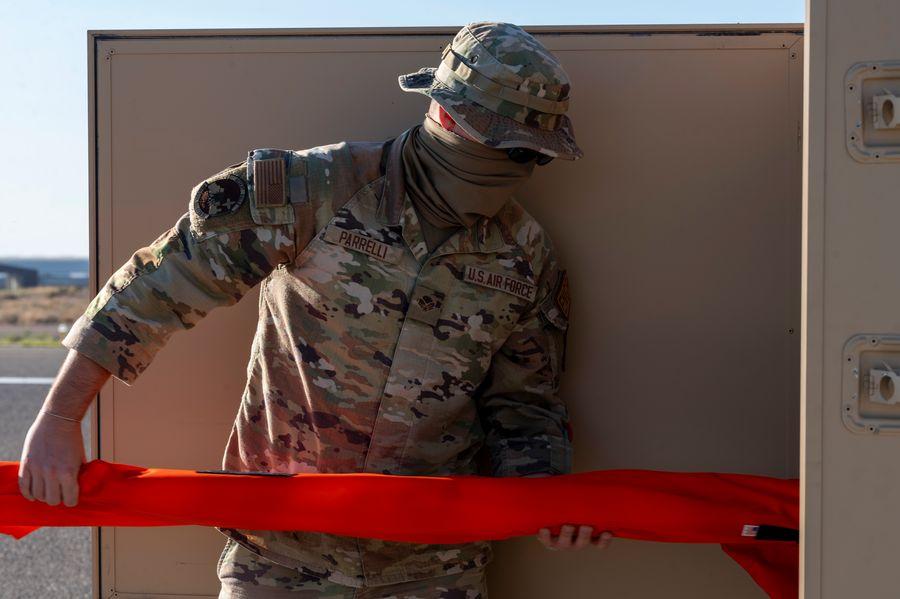
America Must Win the Biotech Race Against China
For years, American leaders have warned about the dangers of depending on China for products that are critical to our economy and national security. Semiconductors, rare earth minerals, telecommunications equipment, and energy technologies have all received well-deserved scrutiny. The medicines and biotechnology that underpin public health deserve the same attention, and the competition in that field is moving faster than many policymakers realize.
Today, China occupies a central position in the global pharmaceutical supply chain, particularly with regards to the key starting materials used to manufacture many essential medicines. Hundreds of drugs approved for use in the United States rely on at least one chemical produced solely in China, in part because Beijing has heavily subsidized its chemical and drug-ingredient producers, allowing them to sell at prices competitors elsewhere struggle to match. This creates a vulnerability that impacts not just healthcare but also our national security.
How China’s Naval-Air Reach Is Offsetting the Malacca Dilemma
China remains exposed to maritime disruption, but its expanding regional reach is increasing the military and political costs of exploiting that...
1d agoRead it on The DiplomatWhy Beijing’s Collapse Is Just As Dangerous as Its Rise
For years, Washington’s strategic debate on China has swung between two contrasting fears: an unstoppable colossus destined to rewrite the global...
5d agoRead it on RealClearDefenseWhy U.S. Allies Should See Chinese Cars as a Security Risk
Washington has shut Chinese-connected cars out of its own market and military bases. Yet its allies are letting them onto the bases where American...
5d agoRead it on The National Interest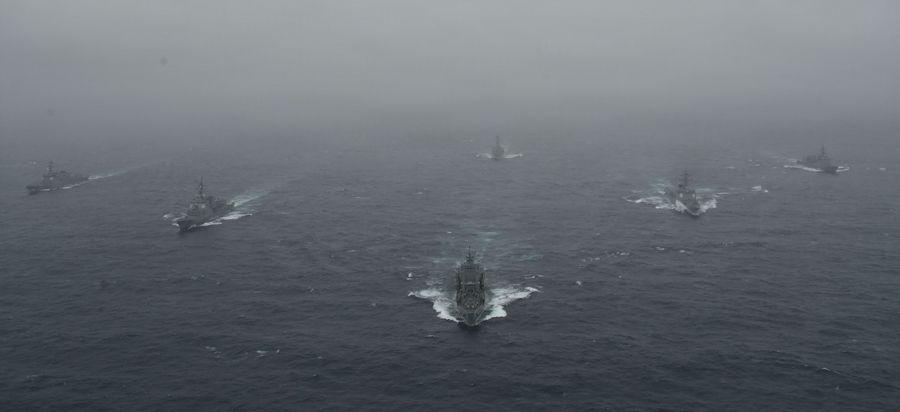
The Dual Threat: Why Beijing’s Collapse Is Just As Dangerous as Its Rise
For years, Washington’s strategic debate on China has swung between two contrasting fears: an unstoppable colossus destined to rewrite the global order, and the hope that its economic headwinds will simply stall its momentum. But as analysts begin to introduce the possibility of a sudden and severe structural fracture within Beijing, this binary view misses a far more dangerous reality. Western policymakers are not facing a single trajectory. Instead, they must prepare for a dual threat, the danger of a sudden, desperate collapse on one end, and the consolidation of an illiberal hegemony on the other.
When looking at the world, Western democracies tend to project the stability and equilibrium of their own liberal systems onto others, assuming that foreign powers operate under similar rules. We often forget that China is an autocracy, and autocracies are unstable by definition and prone to sudden surprises. Western leaders know this history very well, yet they repeatedly choose to forget it. China’s system is not a model for anyone.
Marianas Midterm Vote a Referendum on China’s Murky Influence
A vote for CNMI’s old guard would lock Beijing’s hold on a US territory just four hours from Taiwan and vital to American defense...
1w agoRead it on Asia TimesParty Pitches Global Governance in Xi’s Potemkin City
Party Pitches Global Governance in Xi’s Potemkin City Executive Summary: The 2026 Global Governance Forum was carefully stage-managed by the Chinese...
1w agoRead it on China Brief
2949 Marine Prisoners, Hostages, and Peacetime Governmental Detainees Since Our Corps' Founding
By Jon Couch • RealClearDefense
America Must Win the Biotech Race Against China
By Rob Maness • RealClearDefense
How Digital Twins Can Strengthen Naval Readiness Before a Crisis Begins
By Carl Napoletano • RealClearDefense
The Uninsured Sky
By Joe Sandri • RealClearDefense
Counterterrorism and the Growing Convergence in Homeland Security and Homeland Defense
By Austin Doctor • RealClearDefense
How Digital Twins Can Strengthen Naval Readiness Before a Crisis Begins
By Carl Napoletano • RealClearDefense
F-16s Build on Iran Combat Lessons to Prepare for China Threat
By Rebecca Grant • Lexington Institute
U.S. Aircraft Evacuated From Second U.K. Base Due to Iran Threat
By Holliday, et al, WSJ
US Marine Corps Acquires Textron’s Ripsaw M3 Uncrewed Ground Vehicles
By DPost
U.S. Navy’s First San Antonio Flight II USS Harrisburg Completes Sea Trials
By GDN