
Military Technology
RealClear Context
Click below to continue reading this story, discover more Military Technology stories from over 25 years of RealClear archives, or follow this topic to stay in the know.
The Uninsured Sky
Starlink’s Rapid Rise, Military Power, Elections, and Public Risks...
4h agoRead it on RealClearDefenseMilitary-Made AI Tool Helped Thwart World Cup Bomb Threat
A military-made artificial intelligence tool helped law enforcement thwart a bomb threat at the FIFA World Cup in California this summer....
4h agoRead it on Federal News NetworkDefense Industry Takes Aim at ‘Right To Repair’
Proponents of "right to repair" say it will allow troops the ability to fix equipment in the field without needing to reach back out to a contractor,...
4h agoRead it on Breaking Defense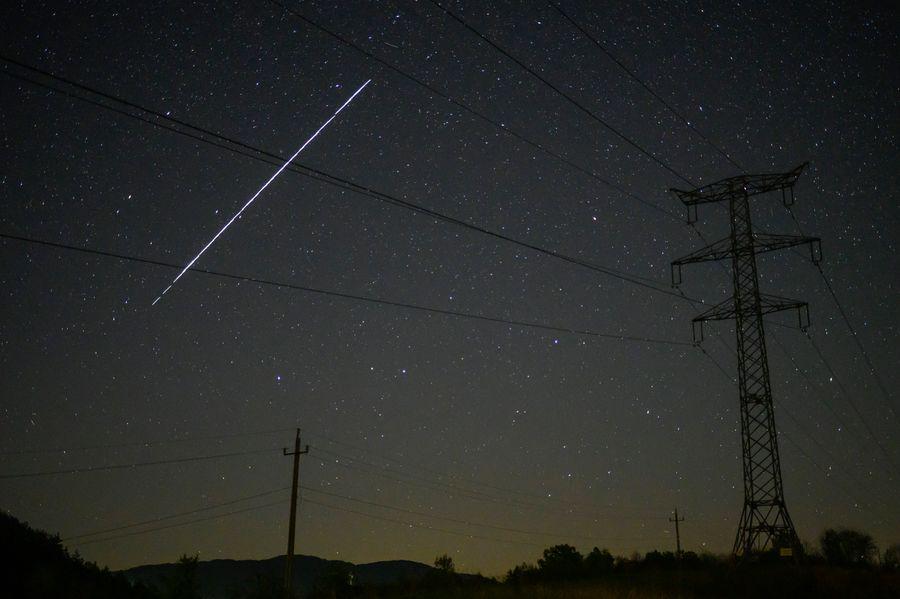
The Uninsured Sky
From the first satellite launch in 1957 (Sputnik) until around 2020, only about 10,000 satellites had been launched by all of humanity. As of late October 2026, catalogs record approximately 27,288 payloads launched into orbit by all of humanity since 1957, with more than two-thirds of that total occurring after January 1, 2020.
By 2030, SpaceX is expected to have launched tens of thousands more—potentially on the order of 30,000 or higher—given current cadence, Starship deployment of larger V3 satellites, authorized shells, and regulatory filings that include proposals for up to 100,000 Gen3 satellites (plus separate direct-to-device constellations). Overall, total satellites launched by all of humanity by 2030 are projected in a wide range, commonly from roughly 40,000 to more than 70,000 depending on the scenario, driven primarily by mega-constellations from SpaceX, Amazon, and Chinese operators. Yet there is no reported comprehensive insurance coverage for potential harm to humans, flora, and fauna from the constellation’s operations, debris generation, atmospheric re-entry effects, or catastrophic failure. In other words, residual impacts from potential pollution or system-wide failures may be borne by the public at large under existing international liability frameworks.
America Invented the Battery, but China Controls the Factory
America invented a revolutionary battery. American taxpayers helped fund the research. A Kentucky community was promised hundreds of manufacturing...
1d agoRead it on RealClearDefenseThe Future of Space Power Depends on Integration
Ongoing operations in the Middle East have reinforced what defense leaders have long recognized: military advantage increasingly depends on an...
1d agoRead it on RealClearDefense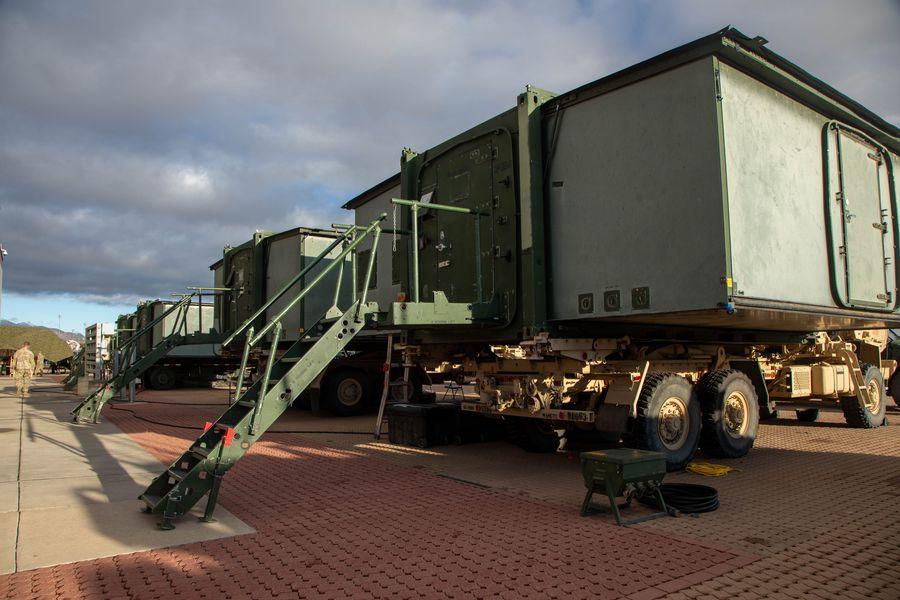
The Future of Space Power Depends on Integration
For decades, military planners viewed space primarily as an enabler. Satellites provided communications, navigation, intelligence, and missile warning while the decisive fight happened elsewhere.
That paradigm no longer exists.
America Invented the Battery, but China Controls the Factory
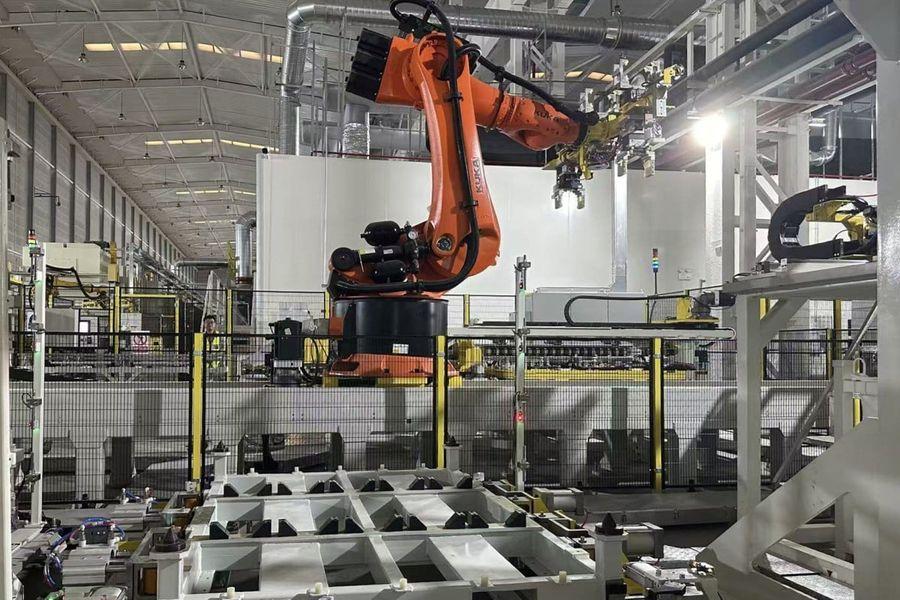
America invented a revolutionary battery. American taxpayers helped fund the research. A Kentucky community was promised hundreds of manufacturing jobs. Instead, the factory opened in China.
EnerVenue, a California battery company, is bringing to market nickel-hydrogen technology developed at Stanford University with research funded by American tax dollars. Its batteries require neither lithium nor cobalt, two materials whose supply chains China heavily controls. The company says its batteries can last 30 years and withstand 30,000 charging cycles.
One Gun, Four Setups: BAE Systems Has a New Approach to Naval Defense
A modular 40mm naval gun family combining four configurations, flexible fire control, and programmable ammunition....
3d agoRead it on NextGenDefense
When the Grid Goes Down, the Mission Must Go On. Solar and Storage Can Help.
Secretary of War Pete Hegseth has set a clear standard for military readiness. Even if an adversary disables the civilian power grid, America’s bases must stay lit, its aircraft must keep flying and its command centers must remain online.
His FORTRESS America initiative calls for every major military installation to generate its own power, independent of the civilian grid. “If an adversary takes down the grid by cyberattack, by sabotage, or by any means, our bases stay lit,” Secretary Hegseth said. “Our aircraft keep flying. Our command centers never go dark.”

2949 Marine Prisoners, Hostages, and Peacetime Governmental Detainees Since Our Corps' Founding
By Jon Couch • RealClearDefense
America Must Win the Biotech Race Against China
By Rob Maness • RealClearDefense
How Digital Twins Can Strengthen Naval Readiness Before a Crisis Begins
By Carl Napoletano • RealClearDefense
The Uninsured Sky
By Joe Sandri • RealClearDefense
Counterterrorism and the Growing Convergence in Homeland Security and Homeland Defense
By Austin Doctor • RealClearDefense
How Digital Twins Can Strengthen Naval Readiness Before a Crisis Begins
By Carl Napoletano • RealClearDefense
F-16s Build on Iran Combat Lessons to Prepare for China Threat
By Rebecca Grant • Lexington Institute
U.S. Aircraft Evacuated From Second U.K. Base Due to Iran Threat
By Holliday, et al, WSJ
US Marine Corps Acquires Textron’s Ripsaw M3 Uncrewed Ground Vehicles
By DPost
U.S. Navy’s First San Antonio Flight II USS Harrisburg Completes Sea Trials
By GDN