
Make Our Troops Healthy Again
Last updated 08:27 AM EDT • Read time: 5m
For years, the United States military fed its service members like they were replaceable parts rather than the tactical athletes who keep our republic safe. I have followed readiness issues long enough to see the damage. Mystery meat, ultra-processed trays, and the nightly dash to off-base fast food have driven obesity rates among active-duty personnel to roughly 22% and climbing. That extra weight slows ruck marches, clouds decision-making under fire, and piles needless medical costs onto taxpayers. Secretary Robert F. Kennedy Jr. laid the problem bare on the Joe Rogan Experience episode #2461. Soldiers simply refuse to eat the base meals and spend their own money on fast food instead. The shift he described is already under way, and it offers a practical, conservative answer.
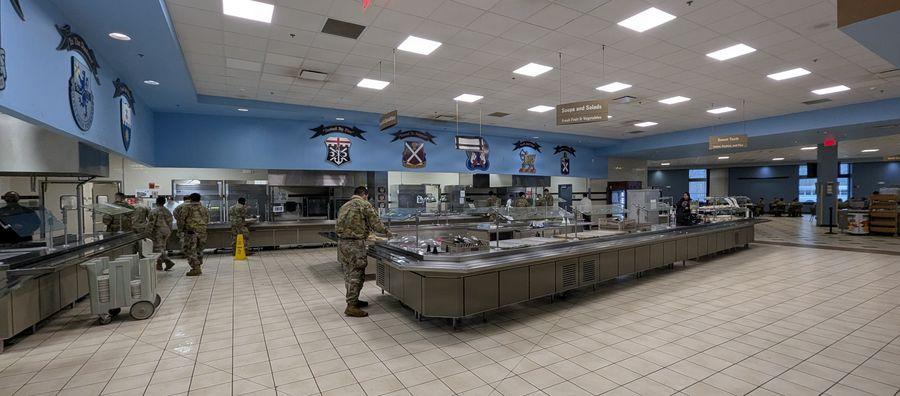
Navy veteran and chef Robert Irvine stepped in at the invitation of Defense Secretary Pete Hegseth. He has already transformed food service at five major bases, with plans to reach twenty by the end of February 2026. Victory Fresh opened at Fort Lee, Virginia, and 42 Bistro launched at Fort Hood, Texas. These campus-style halls feature open kitchens, grab-and-go power bowls, fresh salads, and high-protein wraps built from whole foods. Soldiers line up because the food actually tastes good and matches the physical demands of training. Early data show higher attendance and fewer trips off base. I have reviewed the readouts myself. The numbers confirm what common sense always suggested: give troops real fuel and they will choose it.
The numbers tell the rest of the story. The military once budgeted $18.50 a day per soldier for three meals. Irvine delivers fresh, locally sourced options for about $10 a day. Secretary Kennedy highlighted this exact figure in the same interview. Real food costs less once the ultra-processed middlemen disappear. Lines now stretch around the block at the new facilities. Soldiers stay on post, keep more money in their pockets, and build discipline at the same time.
Irvine frames soldiers as tactical athletes and designs every plate accordingly. Protein anchors recovery after ruck marches or live-fire drills. Lean meats, eggs, and quality dairy rebuild muscle and support immune function. Complex carbohydrates from oats, potatoes, rice, and whole grains supply steady energy timed to the day’s workload. Colorful vegetables, fruits, nuts, and legumes deliver micronutrients that reduce inflammation and speed healing. Consistent hydration replaces sugary drinks, and regular meal timing prevents the energy crashes that hit during long watches or field exercises. Irvine has taken this message straight to medical students at the Uniformed Services University, showing them that food belongs in the prescription for readiness. I see this as the missing link that turns nutrition from a personal choice into a non-negotiable part of warrior conditioning.
Campus-style dining gives soldiers control without sacrificing standards. Open seating, Wi-Fi, flexible hours, and customizable stations make the hall feel like a modern university food court rather than an old mess line. Troops still use their meal entitlements, yet they now select options that actually fuel performance. The Army intends to roll this model across additional installations. The recipes stay simple enough for mass production yet flavorful enough to earn repeat customers. That balance matters.
From my standpoint this initiative hits every mark. It rewards personal responsibility by letting soldiers choose better without top-down mandates. It cuts long-term government spending by lowering future medical claims and disability payments. Secretary Kennedy noted these savings in his public remarks. Most of all it strengthens the all-volunteer force that stands between our way of life and its threats. Weak bodies cannot deter determined adversaries. Strong ones can. Irvine’s framework rejects passing fads in favor of timeless principles. Real food, prepared with care, produces real resilience. It reflects the self-reliant spirit that built this country.
The early results speak louder than any critic. Foot traffic at the pilot sites continues to rise. Training commands report better fitness scores and fewer sick calls. Expanded adoption across all services could save billions while fielding a sharper force. Congress should fund the full rollout and keep nutrition education in the defense budget. Citizens can support the Robert Irvine Foundation or contact their representatives to back military dining modernization. The solution already works at the test sites. Scaling it force-wide is the next logical step.
Treat every base dining facility as a true fueling station for America’s best. Demand menus built on protein for recovery, carbohydrates matched to workload, and micronutrient-dense whole foods. Insist that nutrition counts as a duty of service. Our troops give up so much for the rest of us. The least we owe them is food that keeps them strong. Mystery meat belongs to the past. Real food served with purpose will shape the future.
Let us make our troops healthy again. Their strength protects our security. Their readiness remains our best defense. The mission begins on their plate.
Jay Rogers is a financial professional with more than 30 years of experience in private equity, private credit, hedge funds, and wealth management. He has a BS from Northeastern University and has completed postgraduate studies at UCLA, UPENN, and Harvard. He writes about issues in finance, constitutional law, national security, human nature, and public policy.

2949 Marine Prisoners, Hostages, and Peacetime Governmental Detainees Since Our Corps' Founding
By Jon Couch • RealClearDefense
America Must Win the Biotech Race Against China
By Rob Maness • RealClearDefense
How Digital Twins Can Strengthen Naval Readiness Before a Crisis Begins
By Carl Napoletano • RealClearDefense
The Uninsured Sky
By Joe Sandri • RealClearDefense
Counterterrorism and the Growing Convergence in Homeland Security and Homeland Defense
By Austin Doctor • RealClearDefense
How Digital Twins Can Strengthen Naval Readiness Before a Crisis Begins
By Carl Napoletano • RealClearDefense
F-16s Build on Iran Combat Lessons to Prepare for China Threat
By Rebecca Grant • Lexington Institute
U.S. Aircraft Evacuated From Second U.K. Base Due to Iran Threat
By Holliday, et al, WSJ
US Marine Corps Acquires Textron’s Ripsaw M3 Uncrewed Ground Vehicles
By DPost
U.S. Navy’s First San Antonio Flight II USS Harrisburg Completes Sea Trials
By GDN